


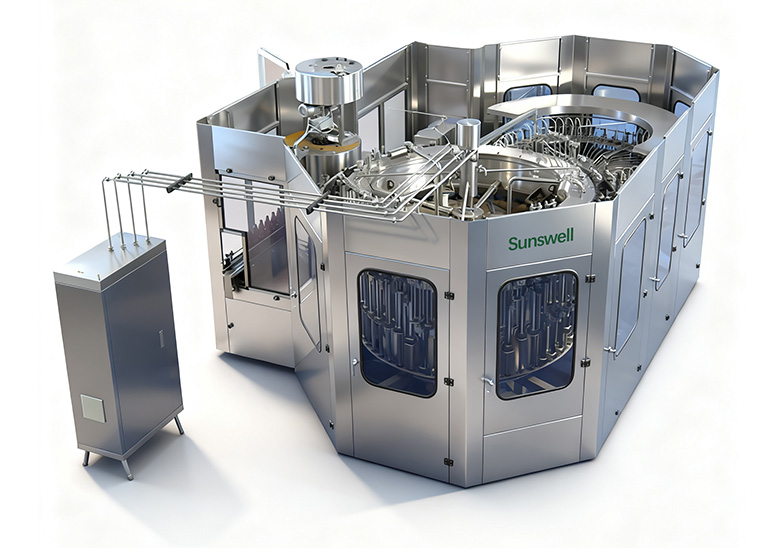
Selection guide · Glass Bottle
Glass Bottle Filling Machine Selection Guide — Capacity, Bottle Size and Valve Type
Glass is handled, not blown. The right machine is set by output, bottle format and what you fill — still, carbonated or hot.
2,000–18,000
BPH glass lines
0.2–1.5
L typical glass
3
Valve families: gravity, isobaric, hot-fill
444+
Lines delivered
71+
Countries exported
Short answer: Glass bottle filling starts from a rinsed bottle, not a preform — there is no blowing, so selection turns on output, bottle diameter and height, and the product. Still water and wine use gravity or mechanical filling; carbonated drinks need isobaric counter-pressure valves; juice and tea use hot-fill valves at 85–88 °C. Glass runs bottom-up to limit foaming and oxidation. Output runs from a few thousand to around 18,000 BPH, set by valve count and bottle shape.
🎯 Key takeaways
- Glass is filled, not blown — selection starts from a finished bottle, not a preform
- Still and wine: gravity or mechanical; CSD: isobaric; juice/tea: hot-fill 85–88 °C
- Glass fills bottom-up to limit foam, oxidation and breakage
- Output 2,000–18,000 BPH, set by valve count and bottle neck/finish
- A combiblock is for PET; glass runs as a rinser-filler-capper with no blow moulder
- Closure sets the capper, not the filler — crown, screw, ROPP or cork
On this page
1. Why glass changes the rules
A PET line starts from a preform and blows the bottle on the machine. A glass line starts from a finished bottle that someone else made, so the first operation is not blowing but rinsing. There is no blow moulder to integrate, the bottle cannot be handled by its neck under full weight in the same way, and the package is heavier and more fragile than PET. Selection therefore turns on output, bottle format and product — not on preform and mould choices the way a PET line does.
Glass also carries a closure decision up front. Crown, screw, roll-on or cork each needs a different capper, and that capper must be paced to the filler. It is cheaper to settle the closure at specification than to discover the mismatch during commissioning, because the capper, cap feeder and torque spec are all set by it. A wine line and a beer line that look identical from the filler back can be very different at the capper.
Choosing glass is usually a market decision before it is a machine decision. Glass carries a premium perception, protects product from light and oxygen better than PET for sensitive drinks, and suits products sold on provenance such as wine, craft beer and premium water. The trade is weight, fragility and a higher per-bottle package cost, which the line design has to absorb. Frame the choice as package strategy first; the machine follows from it.
Glass runs as a rinser-filler-capper, not a combiblock. If your plan assumes a blow-fill-cap block, that assumption belongs to a PET line. Glass removes the blowing stage and adds a bottle rinser at the front.
2. Capacity and output
Glass lines span roughly 2,000 to 18,000 BPH. The practical ceiling is set by carousel valve count, bottle diameter and product behaviour rather than by a single rating. As an indicative rule, a still-water or wine valve delivers on the order of 600–900 bottles per hour at 0.5 L, so a 12,000 BPH line needs around 14–20 valves; carbonated and hot-fill valves dwell longer and need more valves for the same rated speed because the fill is slower per station.
Bottle size lowers rated speed. A 330 ml beer bottle and a 1 L sauce bottle do not run at the same BPH on the same carousel, because the valve open time and the handling time both grow with volume. Size the line on the format you will run most, and confirm the speed on your actual bottle drawing before signing — a generic rating on a similar bottle is not a commitment on yours. If you sell several sizes, ask for speed on each, not just the smallest.
| Output band | Typical use | Valve count (indicative) | Notes |
|---|---|---|---|
| 2,000–6,000 BPH | Craft beer, wine, small batch | 8–18 | Often rotary, sometimes intermittent infeed |
| 6,000–12,000 BPH | Regional beer, CSD, juice | 18–32 | Rotary carousel, paced capper |
| 12,000–18,000 BPH | Mainstream beer and CSD | 32–50 | Tight timing, matched cap feeder |
| Above 18,000 BPH | High-volume CSD in standard glass | 50+ | Usually justified only at scale |
3. Valve type follows the product
The product decides the filling principle, exactly as on PET — glass only changes the bottle, not the physics. Still water and wine use gravity or mechanical valves; carbonated drinks need isobaric counter-pressure valves; juice and tea use hot-fill valves at 85–88 °C. The relative accuracy ladder is the same as elsewhere: mechanical lowest, volumetric or load cell highest, with hot-fill and isobaric as product-specific requirements rather than accuracy upgrades.
For carbonated product the isobaric valve is not optional. It equalises the bottle pressure with the tank using CO₂ before the liquid opens, so the drink enters a pressurised bottle and carbonation stays in solution. A gravity or mechanical valve would foam and lose gas the moment it opened. For hot-fill, the valve and the bottle path must tolerate the temperature and the thermal shock of cooling, which is a specification on both the machine and the bottle.
| Product | Valve | Fill temperature | Why |
|---|---|---|---|
| Still water, mineral water | Gravity or mechanical | Ambient | Cheapest, adequate where declared volume tolerance is loose |
| Wine | Gravity or mechanical | Ambient | Gentle, low oxygen pickup; level-based is acceptable |
| Beer, CSD | Isobaric counter-pressure | Ambient, chilled | Holds CO₂ in solution, controls foam |
| Juice, tea (shelf-stable) | Hot-fill mechanical or volumetric | 85–88 °C | Heat-treats bottle and closure at fill |
| Sauce, viscous | Volumetric or piston | Ambient or warm | Handles viscosity and particulates |
The valve decision is covered in detail for the combiblock context in combiblock filling valve types, and capacity bands by product are in combiblock capacity selection.
4. Bottle size, finish and closure
Diameter sets the valve pitch on the carousel — wider bottles mean fewer valves in the same turret diameter, which lowers rated speed for the same machine size. Height sets the guarding, the star-wheel timing and the cap feeder. Neck finish decides the capper; a standard crown, a 28 mm or 38 mm screw, a roll-on aluminium closure and a wine cork are four different cappers, and mixing them is a changeover event, not a setting.
| Factor | Effect on machine | What to confirm |
|---|---|---|
| Diameter | Sets valve pitch, valve count at given turret | Outer diameter of your bottle |
| Height | Sets guarding, star wheel, cap feeder height | Full height filled and capped |
| Neck finish | Sets capper type and torque spec | Finish drawing and tolerance |
| Closure | Sets capper and cap feeding | Crown / screw / ROPP / cork |
| Glass weight | Sets handling acceleration, infeed softness | Grammage and base design |
Glass weight matters more than on PET because the bottle is the package, not a temporary moulding. A heavier base survives handling but costs material per unit; a lighter base needs softer handling and a better infeed. This is a bottle-design choice made with your glass supplier, and it feeds back into the machine handling spec rather than the other way round.
Send the bottle drawing before quotation, not after. Pitch, valve count, infeed and capper are all set from the bottle geometry. A line specified on a similar bottle will not necessarily accept yours without rework.
5. Filling method: bottom-up, not top-down
Glass is filled bottom-up. The fill tube enters the bottle and stays below the rising liquid surface, which suppresses foam, limits oxygen pickup and reduces the mechanical shock that causes breakage. For carbonated product the bottle is counter-pressurised first, so the liquid enters a pressurised bottle and CO₂ loss stays low. For hot-fill the product enters hot, heat-treats the container, and the headspace is snifted as it cools.
Breakage is managed by timing rather than by slowing the whole line. Timed star wheels, soft infeed and discharge, and a reject at the rinser that removes chipped or cracked bottles before they reach the filler keep losses low. A line specified with PET-style hard handling will shed glass; a line specified for glass will not need to. The reject at the rinser is cheaper than a breakage event inside the filler, so the rinser grade is part of the scope, not an afterthought.
For oxygen-sensitive drinks, bottom-up filling also protects flavour. Top filling folds air into the fill and leaves it in the headspace; submerged-tube filling keeps the pickup low and lets the snift pull a cleaner vacuum on hot-fill. It is a small mechanical choice with a measurable effect on a product whose shelf life is partly set by oxidation.
6. Rinsing, CIP and downstream integration
Because glass arrives dirty rather than moulded clean, the bottle rinser is the first real operation and its grade belongs in the scope. New glass gets an air-and-water or sterile-water rinse; returnable glass needs a wash stage ahead of the rinse. The CIP circuit on the product path is the second item that is cheaper specified with the line than added later, because retrofitting a cleaning loop into an installed path is expensive and rarely as clean.
Downstream, glass needs a labeller that handles a round or non-round bottle and a packer that loads glass without shock. The capper is the pacing element; the labeller and packer must keep up without becoming the bottleneck. Where glass is one format among several, plan the hall so the glass line and any PET combiblock do not fight for the same infeed and pack area.
Utilities also differ from a PET line. Glass has no blow moulder, so there is no high-pressure air load for blowing, but the rinser and CIP consume treated water that a PET line spends on cooling instead, and the capper and any pneumatic stages still need clean dry air. Net utility draw is comparable but the profile shifts — worth confirming at quotation so the site supply is sized for what the glass line actually draws, not for a PET assumption.
7. Choosing your configuration
Five inputs settle most of the specification:
- Product and fill temperature. Still, carbonated or hot-fill sets the valve family outright.
- Bottle drawing. Diameter, height, neck finish and grammage set the carousel and capper.
- Target output at your main format. This sets valve count; confirm on the drawing, not on a generic rating.
- Closure. Crown, screw, ROPP or cork sets the capper and cap feeder.
- Scope. Rinser, filler, capper, labeller, packer and palletiser — decide what is in the line and what is upstream or downstream.
Once the valve family and the format are fixed, the remaining choices are configuration tier and automation, which are compared in glass bottle machine configurations and price levels. The questions buyers ask most are collected in the glass bottle filling FAQ.
Match the valve to the product, then size the carousel to the bottle. Buying a hot-fill valve for still water, or a 50-valve turret for a 6,000 BPH craft line, spends capex the product and the volume will never use.
Where glass is one format among several, the broader line picture — including PET and can — is in the filling machine range, and complete lines are scoped in the beer production line solution and the juice production line solution.
Frequently asked questions
Can a glass bottle be filled on a combiblock?
No. A blow-fill-cap block blows the bottle from a preform immediately before filling, which only works for PET. Glass arrives as a finished bottle, so it runs on a rinser-filler-capper with no blow moulder. The filler and capper are closely matched, but there is no blowing stage to integrate.
Which valve do I need for sparkling drink in glass?
An isobaric counter-pressure valve. It pre-pressurises the bottle to tank pressure with CO₂ before the liquid valve opens, so the drink enters without pressure drop and foam stays controlled. Mechanical or gravity valves cannot hold carbonation during fill.
What fill temperature is used for juice and tea in glass?
Hot-fill at 85–88 °C for shelf-stable juice and tea filled at ambient rather than cold and refrigerated. The product heat-treats the bottle and closure at fill, then cools and the headspace is snifted. State the exact product and pH at quotation stage, because they set the valve and the bottle specification.
Why is glass filled from the bottom?
Bottom-up filling keeps the fill tube submerged below the rising liquid, which limits foam, limits oxygen pickup and reduces the shock that causes breakage. Top filling glass generates foam and splashing and is rarely used except for very slow, open non-carbonated lines.
How fast can a glass line run?
Roughly 2,000 to 18,000 BPH depending on bottle diameter, valve count and product. Beer and CSD in 330–500 ml crown-glass sit at the top of that range; large or irregular bottles run slower because the valve dwell time and handling are longer.
Does bottle shape limit the machine?
Yes. Diameter sets pitch on the carousel and height sets the guarding and cap feeder. Very narrow, very wide or very tall bottles need a lower valve count or a dedicated carrier. Send the bottle drawing early so the pitch and the infeed are specified for your actual bottle.
Which closure fits a glass filler?
Crown, roll-on or press-on screw, and cork or cork-finish for wine. The capper is selected for the closure, not the filler, but the two must be paced together. Tell the supplier the closure before quotation — it changes the capper, cap feeder and torquing spec.
Is glass more fragile to handle than PET?
Yes, and that is designed for. Infeed and discharge use soft handling, timed star wheels and lower acceleration than a PET line. Breakage is reduced by controlled timing and by removing chips and cracks at the rinser reject, not by running the line slowly across the board.
About the author
Written by the Sunswell engineering team — led by Howie SUN, Founder & CEO, with 14 years in filling and blow-moulding equipment R&D and turnkey project delivery across 71+ countries.
Last reviewed: 2026-08-10 · Reviewed by Sunswell engineering team
Ask our engineering team →Recommend Products
Project references
-
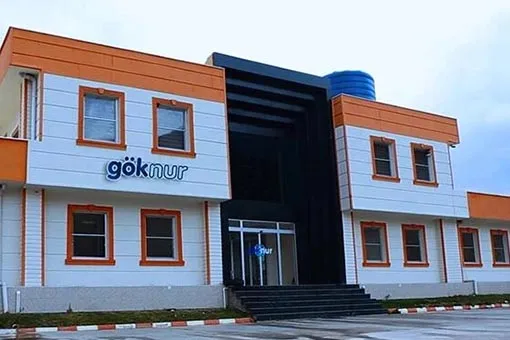
Goknur, 2 Sets of 18,000BPH Bottling Lines for Juice, Turkey
Country: Turkey
Product: Glass and PET Bottled Juice
Capacity: 20000BPH(330ml) Glass Bottle; 4000BPH(3L) PET Bottle
Solution:Juice Production Line
Read More + -
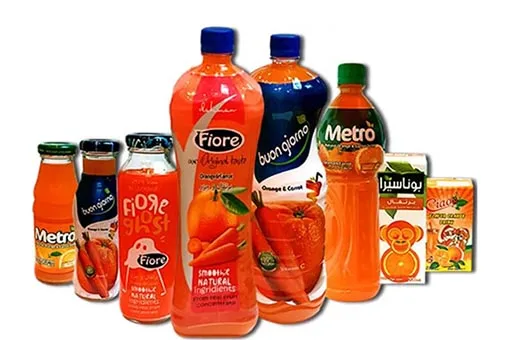
Dahman, 24,000CPH Canning Line for CSD, Syria
Country: Syria
Product: Aluminum Canned Carbonated Soft Drinks
Capacity: 24000CPH (250ml)
Solution:Carbonated Drinks Production Line
Read More + -
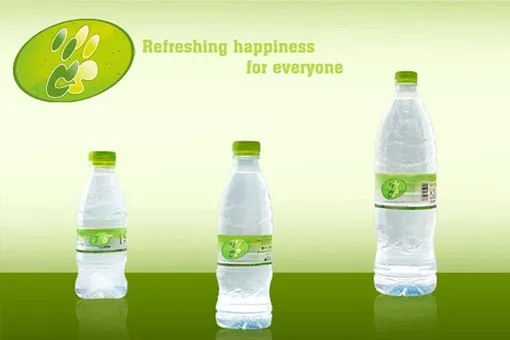
Taza, 4 Sets of 12,000BPH 1.5L Bottling Lines with Combiblock for Water, Maldives
Country: Maldives
Product: PET Bottled Mineralized Water
Capacity: 24,000BPH (500ml); 2 Lines
Solution:Water Production Line
Read More +
Have a specific project in mind?
Tell us product, target BPH, bottle sizes and market. We reply with a draft layout, equipment list and lead time estimate.
Fill the inquiry form ↑