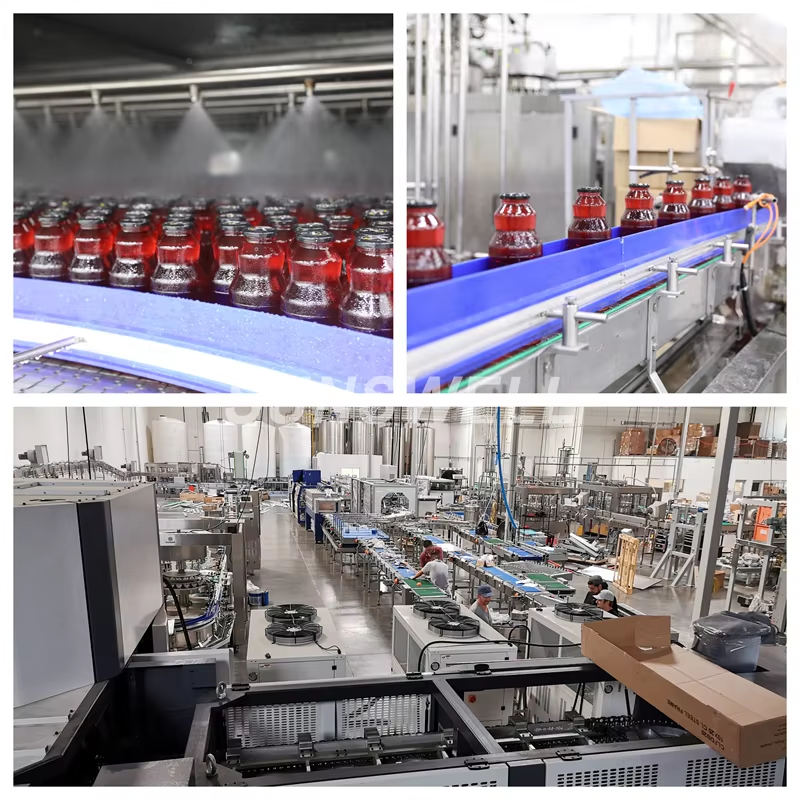
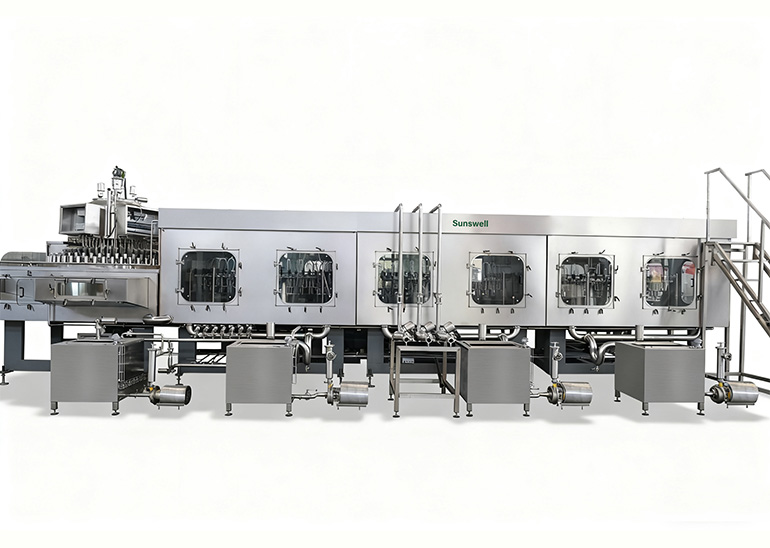
Fruit and pulp drinks maintain strong market momentum worldwide. Consumers increasingly favour products with natural fruit flavour and fewer preservatives. From clear fruit juice to pulpy fruit beverages, these bottled products occupy an important market share, meeting diversified demands from retail, catering and export channels.
Every bottle of high-quality fruit drink relies on mature hot filling technology. As beverage enterprises launch new flavours, switch packaging formats or expand production scale, stable and repeatable production equipment is essential to guarantee consistent taste and food safety. Hot filling units are core machinery for fruit beverage production, and occupy an important position in the beverage equipment industry. This article unpacks hot filling technology for juice, including its working mechanism, key technical advantages and the overall layout of a full turnkey production line.
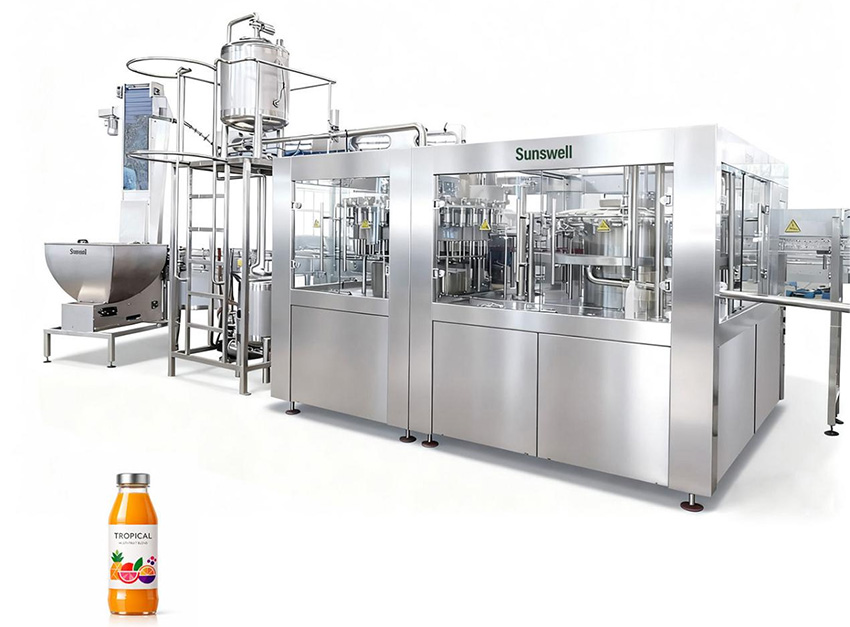
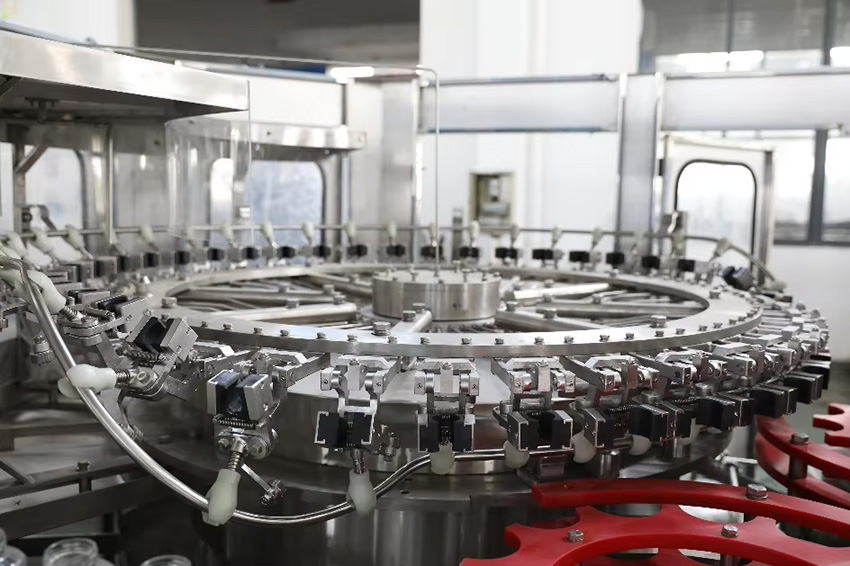
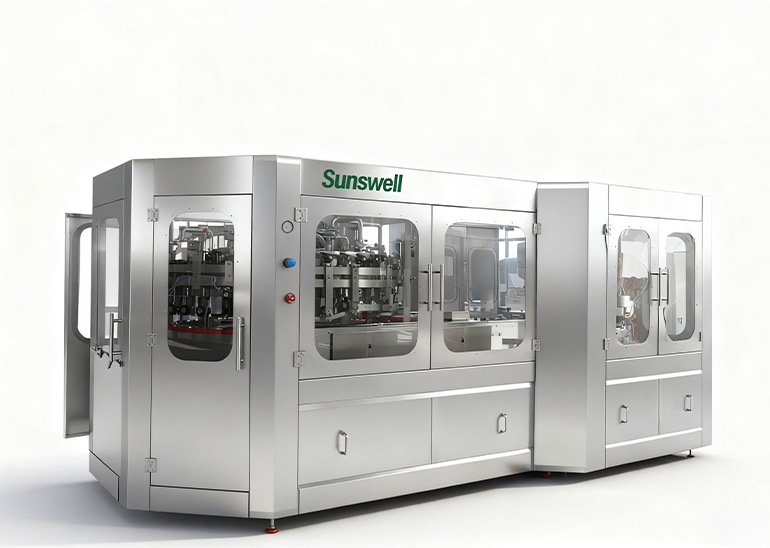
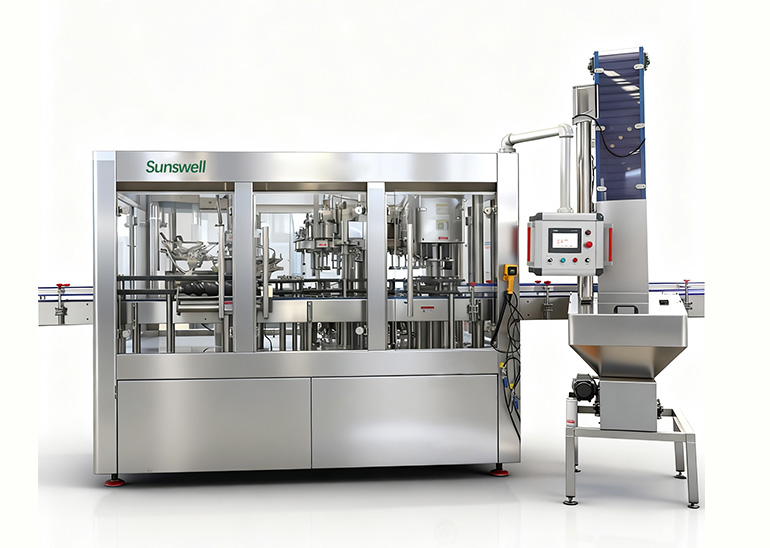
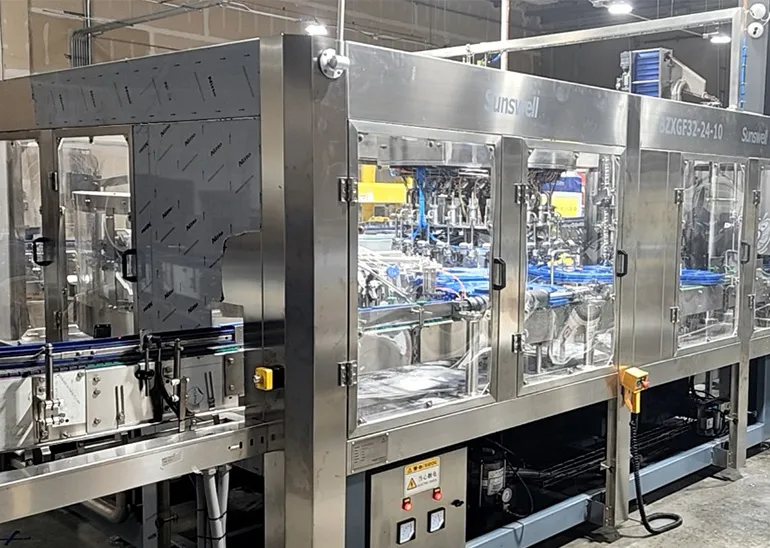
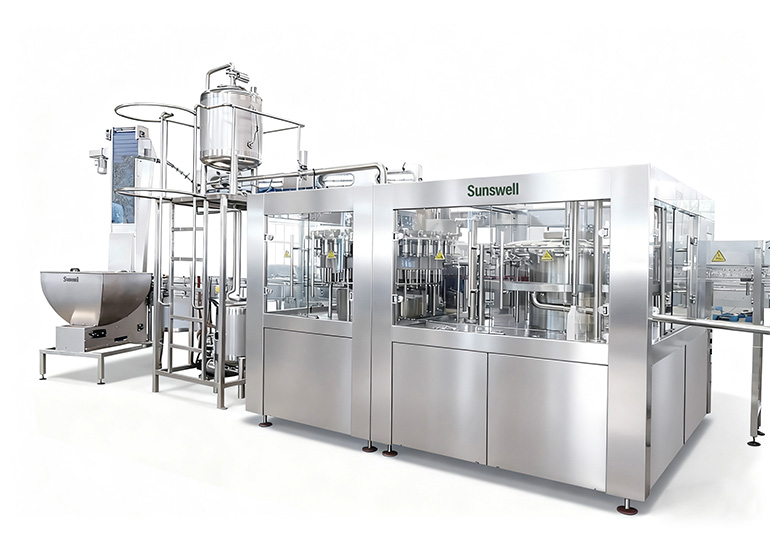
Hot filling monobloc integrates bottle rinsing, filling and capping into one compact machine. The mechanical structure can be customised according to bottle material, bottle shape and cap specifications, while the core thermal sterilisation logic remains unchanged. PET bottles are widely adopted for commercial hot-filled juice products.
Different from normal-pressure filling applied for plain water, juice production adopts gravity hot filling. After flash pasteurisation, the juice is kept at 85~95°C and filled into pre-rinsed clean PET bottles. Once filling completes and the bottle is capped immediately, residual heat inside the container sterilises the bottle neck and inner surface of the cap. This thermal treatment deactivates spoilage microorganisms and oxidative enzymes. The finished product can achieve long ambient shelf life with reduced or no preservatives, while retaining the natural fruit flavour.
Filling temperature, holding time and liquid level precision are three vital parameters controlling microbial safety, flavour stability and shelf life. For pulpy juice products, specially designed filling valves avoid pulp sedimentation and blockage, ensuring even dosing. The liquid recirculation system stabilises temperature during continuous high-speed operation and prevents quality defects caused by temperature fluctuation.
To help beverage manufacturers realise mass stable production and flexible product changeover, our hot filling equipment is designed for long continuous operation, easy cleaning and low maintenance. Material selection, electrical configuration and automation functions are optimised for beverage production scenarios:
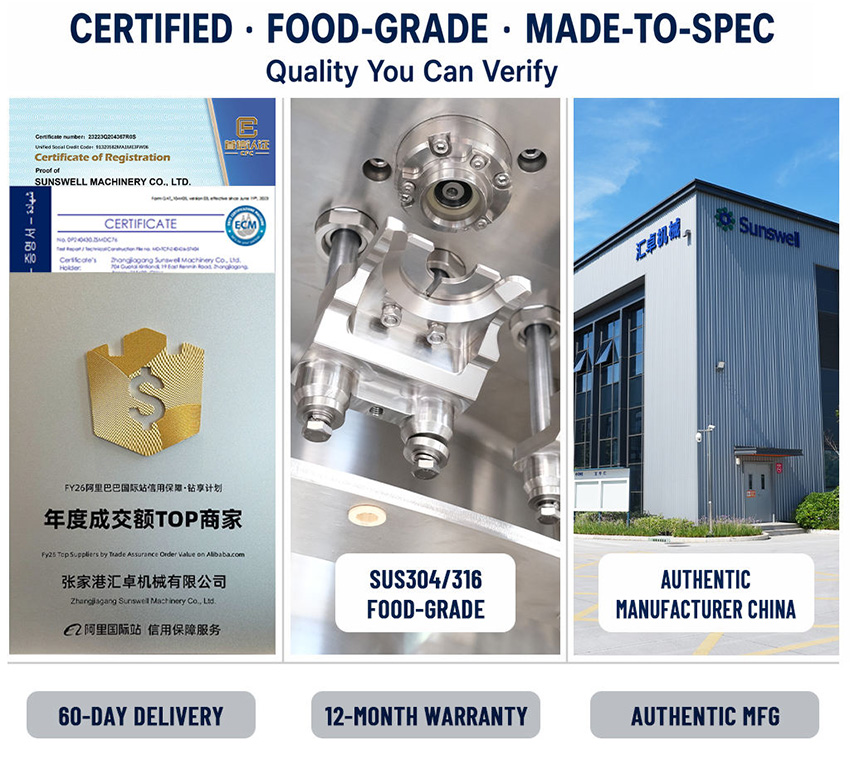
① Food-grade stainless steel construction: All parts contacting liquid adopt SUS304 stainless steel, with excellent heat and corrosion resistance. It complies with global food safety standards, prevents cross-contamination and supports long-hour continuous operation for large batch orders.
② Famous-brand electrical and pneumatic parts: Key components are sourced from internationally recognised brands including Siemens, Omron and Airtac. Stable performance reduces failure rate, minimising unexpected downtime during continuous production.
③ PLC intelligent automatic control system: The whole production flow is managed by PLC with touch-screen HMI. It supports real-time temperature monitoring, automatic liquid level adjustment, fault alarm and safety stop with on-screen troubleshooting prompts. The machine supports CIP on-line cleaning, simplifying sanitation work between different product batches.
④ Inversion sterilisation & constant-torque capping: Equipped with constant torque capping unit. After capping, bottles are inverted, using the hot juice to disinfect the inner cap surface. Precise torque control effectively eliminates liquid leakage risk.
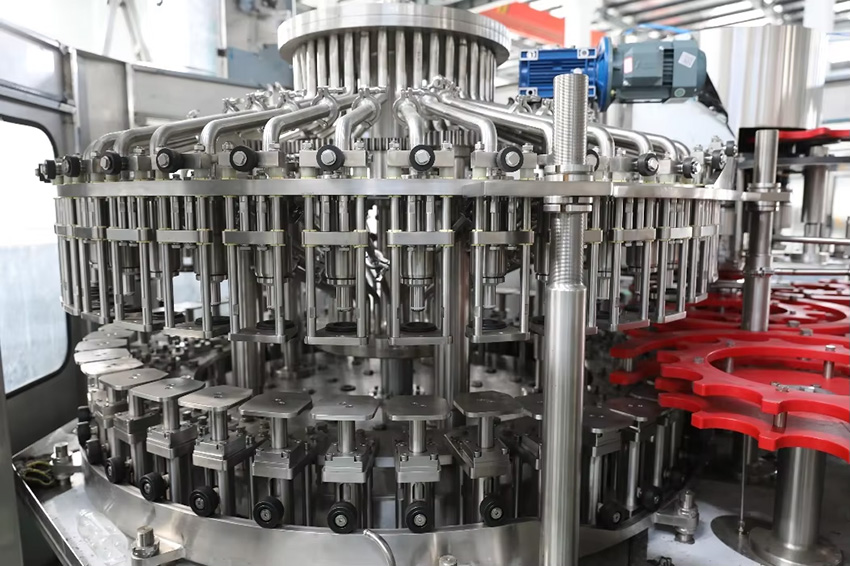
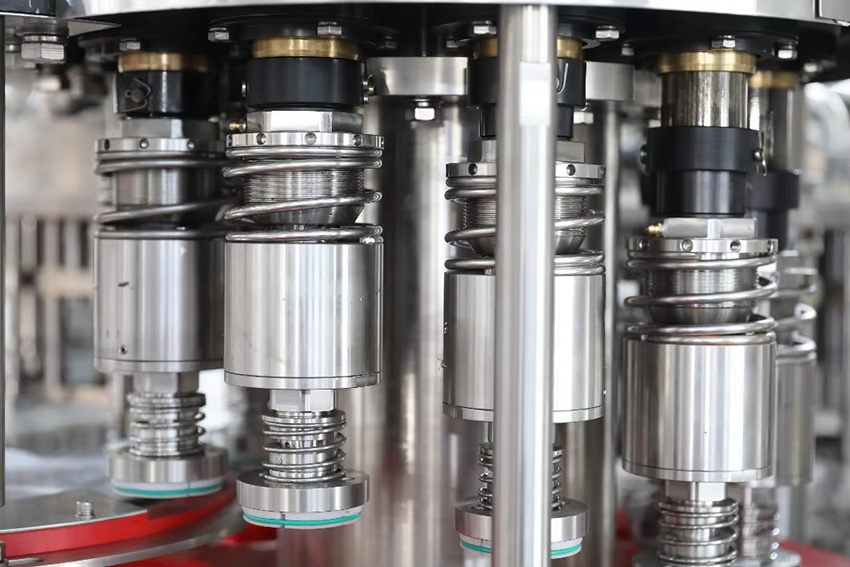
The hot filling monobloc is the core unit of the automated juice bottling plant. A full turnkey production line consists of five interconnected functional modules, covering the whole workflow from raw water treatment to finished palletising:
Finished Product Packaging Module: Cooling tunnel, light inspection machine, inkjet printer, self-adhesive /sleeve labeller, film wrapping machine and palletiser. This section cools bottles, prints batch & date information, applies labels and packs finished goods for warehouse storage and distribution.
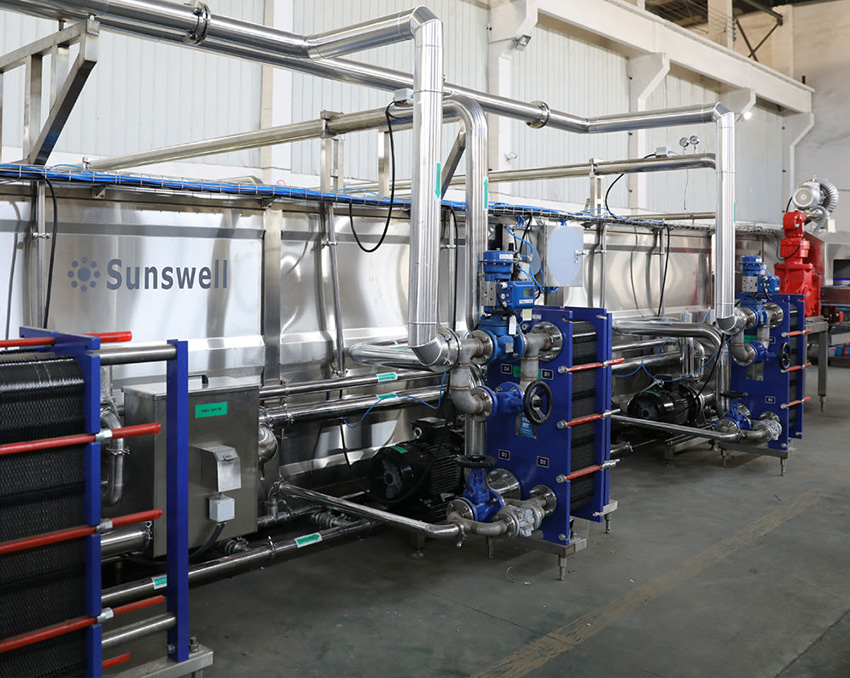
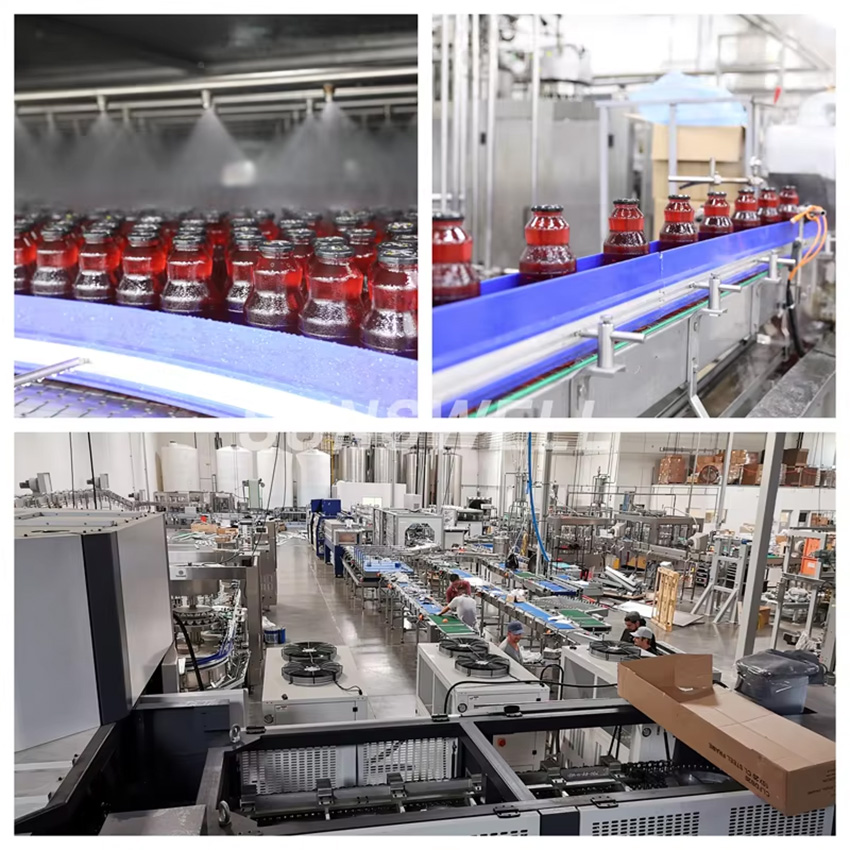
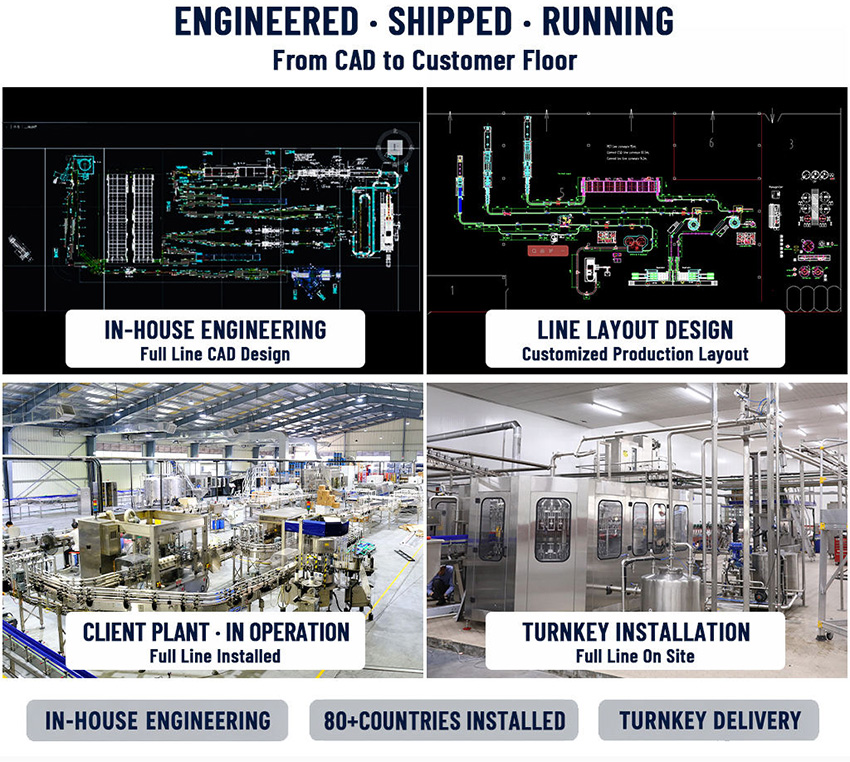
We specialise in custom beverage line engineering, with decades of hands-on experience delivering hot-fill juice projects for clients across diverse regions. Our portfolio covers small-scale trial production workshops all the way up to high-capacity commercial factories. Beyond standalone filling machines, our team can deliver end-to-end engineering services: layout planning, process simulation, equipment manufacturing, onsite installation, commissioning and operator training.
Different brands have unique requirements: some focus on frequent flavour switching, others prioritise high continuous output or strict export food certification. Rather than offering one-size-fits-all standard packages, we tailor each solution according to product formula, bottle specifications, target capacity and local regulatory demands.
Whether you are planning a brand-new factory build, retrofitting existing lines or upgrading old filling equipment, our technical team can conduct in-depth evaluation and provide feasible proposals and budget quotations.
We keep refining our process technology and after-sales support system. Our goal is to build long-term reliable partnerships with beverage producers, helping brands bring stable, market-competitive juice products to consumers worldwide.
A: Often yes—cap and fill-level inspection alone prevents costly recalls; scale the camera count to speed.
A: No. Local dashboards work offline; cloud is for remote support and multi-site roll-ups.
A: Modestly—mostly software/config; choose a supplier with proven deployments to avoid custom-risk delays.
Explore Sunswell's technology or ask about a smart-line specification.



 +86 13921964455
 [email protected]

A2 Dongjiu Industrial Park, 30 East Jintang Road, Tangshi, Zhangjiagang, Jiangsu 215600, China