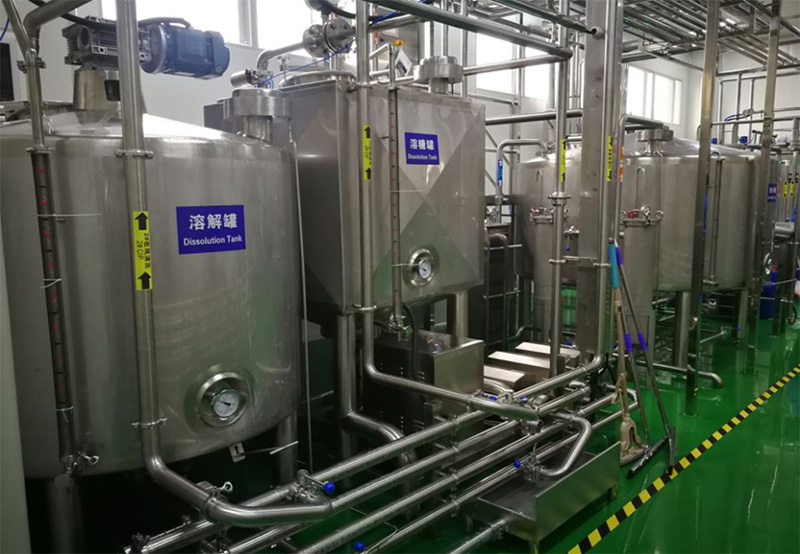
The right technology and commercial decisions decide whether a beverage filling machine line runs compliantly, efficiently and profitably. In this guide Sunswell breaks down RTD Coffee and Cold Brew Filling for B2B buyers planning or upgrading a production line.
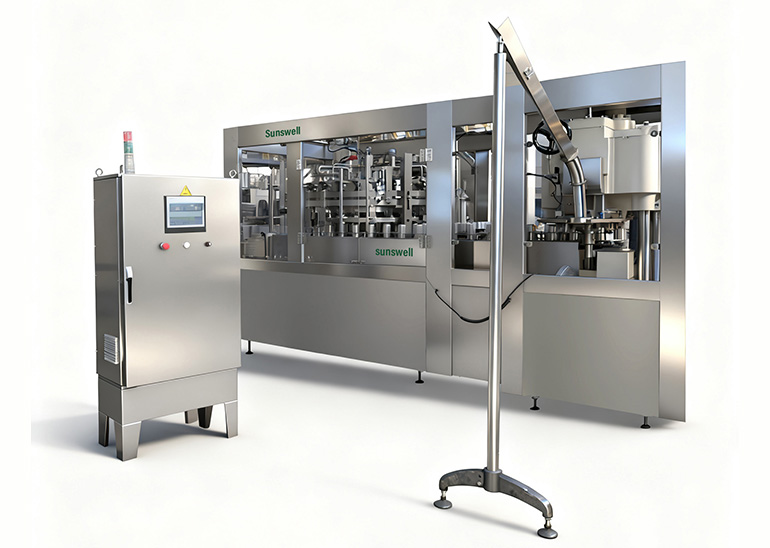
RTD coffee and cold brew are booming, but coffee is unforgiving: oxygen drives staleness, and low-acid coffee needs real sterilization. The right aluminum can filling machine pairs oxygen control with aseptic or retort processing. This guide compares sterilization routes and shows how a Aseptic Filling Machine for Juice class line serves coffee too.
Coffee is low-acid and oxygen-sensitive; flavour and aroma fade fast if DO is high or the kill step is weak. Cold brew adds microbial risk from long extraction.
A Nitrogen Doser displaces headspace oxygen and enables nitro cold brew textures — the same tech used on premium coffee cans.
| Method | Product | Note |
|---|---|---|
| Retort / hot-fill | Stable RTD coffee | Simpler, shelf-stable |
| Aseptic | Premium / sensitive | Best flavour, UHT + aseptic fill |
| ESL + cold chain | Chilled RTD | Lower cost, needs refrigeration |
UHT the brew, deaerate, then fill aseptically into cans or PET. A Hot-Fill Filling Machine for Juice class unit can serve hot-fill coffee where aseptic isn't justified.
Aluminum can dominates RTD coffee for light/oxygen barrier; PET needs higher barrier and often aseptic. Plan the filler bowl N₂ blanket for both.
Yes — coffee is low-acid like juice, so an Aseptic Filling Machine for Juice line with UHT and N₂ is a fit.
Long extraction grows microbes, so cold brew needs stronger kill (UHT/retort) before the aluminum can filling machine.
Build an RTD-coffee-ready aluminum can filling machine with Sunswell.



 +86 13921964455
 [email protected]

A2 Dongjiu Industrial Park, 30 East Jintang Road, Tangshi, Zhangjiagang, Jiangsu 215600, China