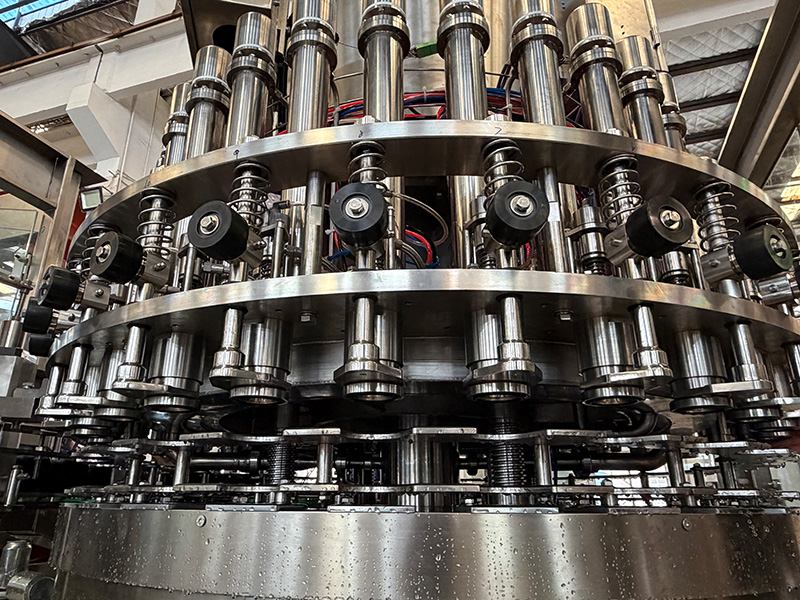
Modern electronic filling machines measure dose with flow meters rather than fixed-time valves. The meter technology—magnetic, Coriolis or mass-flow—directly affects accuracy, cleanability and cost. For buyers specifying juice, CSD or dairy lines, understanding the difference prevents both over-spending and under-filling complaints.
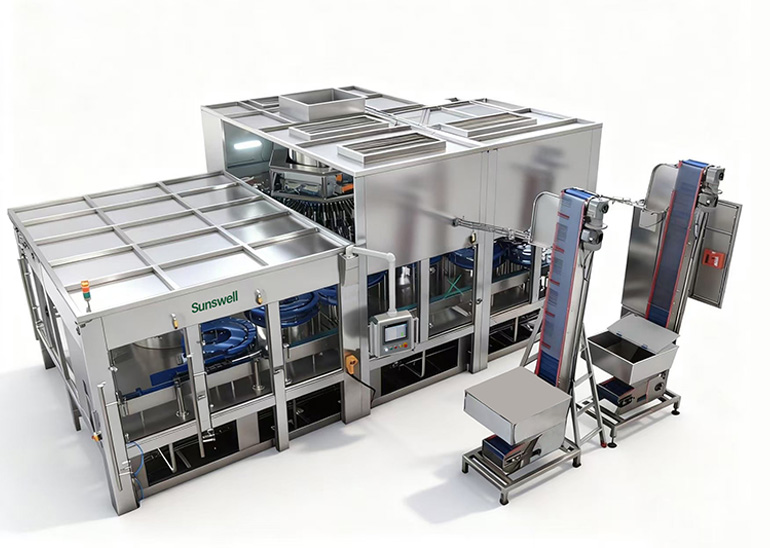
Magnetic meters suit conductive liquids (water, juice, CSD) at low cost; Coriolis meters measure true mass flow and handle viscous or non-conductive products with highest accuracy; mass-flow (often Coriolis-based) excels where density varies. Choose by product conductivity, viscosity and required tolerance.
| Meter | Measures | Best product | Accuracy |
|---|---|---|---|
| Magnetic | Volume (conductive) | Water, juice, CSD | ±0.5–1% |
| Coriolis | Mass + density | Viscous, dairy, syrup | ±0.1–0.2% |
| Mass-flow (Coriolis) | True mass | Variable-density | ±0.1% |
Standard on juice and CSD fillers; cheap, hygienic, but only works on conductive liquids.
Used on processing and filling of viscous or variable products (syrup, milk, pulp) where density drift would break a volume meter.
Yes for typical ±1% tolerance; choose Coriolis only when pulp, viscosity or tighter tolerance demand it.
Both clean in place, but Coriolis sensors need careful drain design to avoid product hold-up.
Match the meter to your product on a filling machine or Combiblock from Sunswell.



 +86 13921964455
 [email protected]

A2 Dongjiu Industrial Park, 30 East Jintang Road, Tangshi, Zhangjiagang, Jiangsu 215600, China