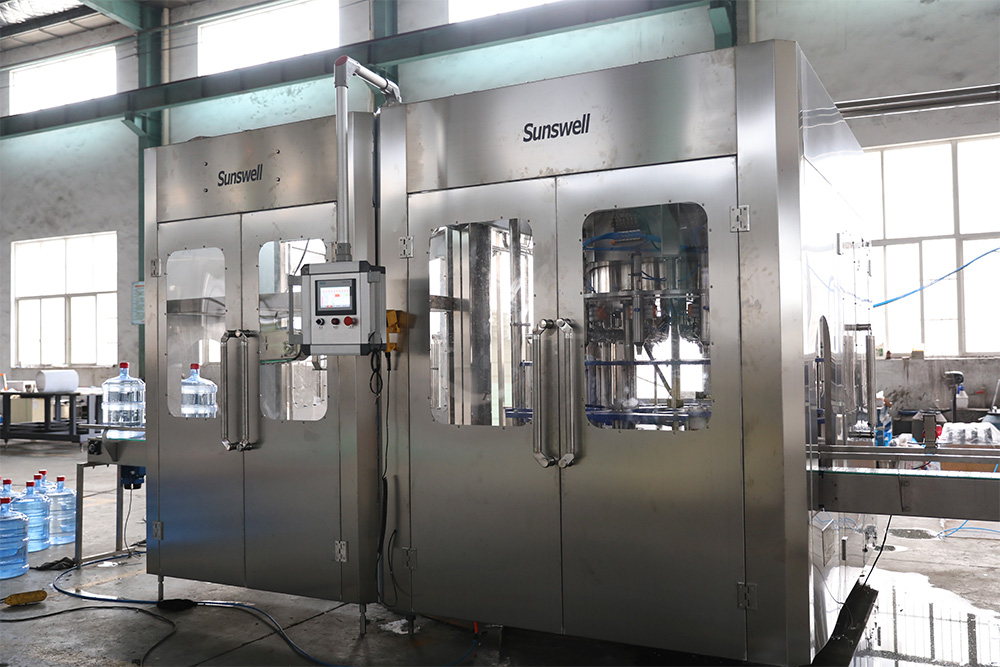
Capping is the last sealing step on every filling line and the point where leaks, O₂ pickup and recall risk are decided. Screw, press-on, roll-on and snap-cap systems each suit different bottles, pressures and shelf-life targets. This guide helps buyers match capper to product and package.
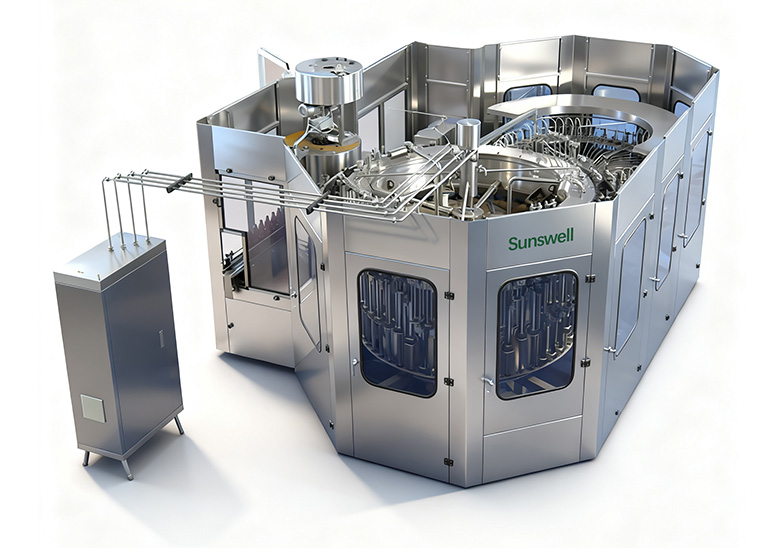
PET water/juice → screw or snap; CSD → screw or crown (pressure); glass wine/beer → roll-on or crown; cans → seamer (not a cap). The capper must be specified with the filler and labeler as one integrated block for stable torque and speed.
| System | Bottle | Use | Note |
|---|---|---|---|
| Screw | PET, HDPE | Water, juice, CSD | Recloseable, common |
| Press-on | PET | Value SKUs | Push-fit, tamper band |
| Roll-on (ROPP) | Glass, aluminium | Wine, spirit, premium | Thread formed on cap |
| Snap-cap | PET | Juice, dairy | Quick, low torque |
Use a screw or crown capper rated for pressure; a CSD filler and capper must hold counter-pressure through the seal.
A glass bottle filler pairs with ROPP or crown for premium shelf presence.
Cans use a seamer, integrated on aluminum can filling lines—not a cap at all.
Generally no—different cap formats; a Combiblock is format-specific, so plan bottle type before purchase.
Consistent torque prevents leaks and hard-to-open caps; servo cappers give the tightest control.
Integrate capping with your filling machine and Combiblock from Sunswell.



 +86 13921964455
 [email protected]

A2 Dongjiu Industrial Park, 30 East Jintang Road, Tangshi, Zhangjiagang, Jiangsu 215600, China