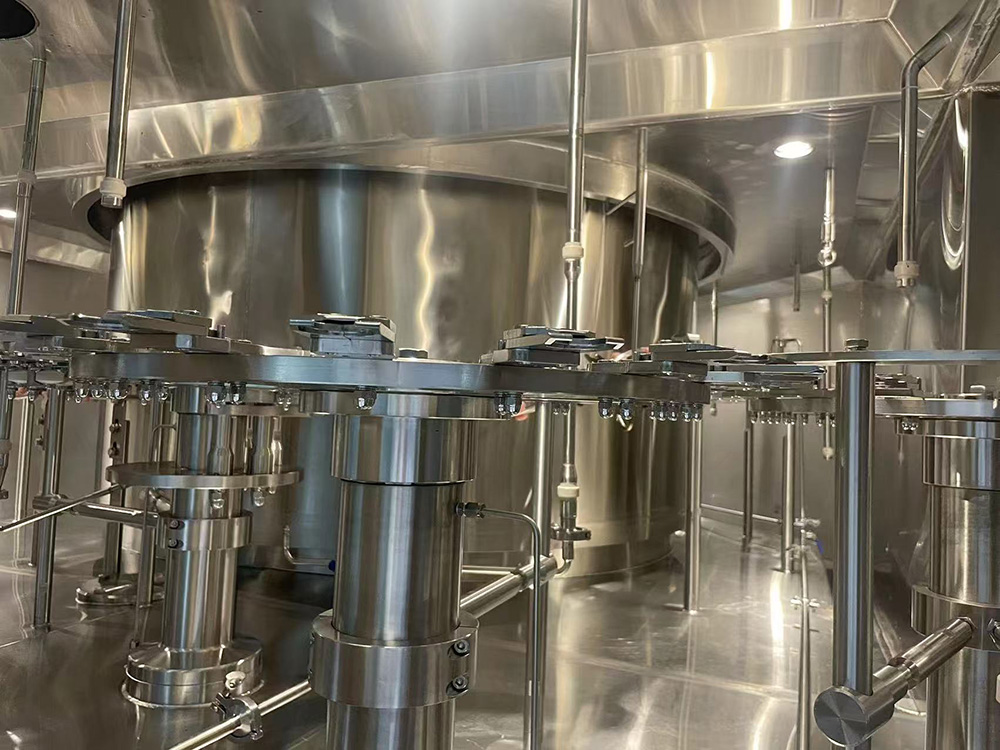
The filling valve is the single component that decides dose accuracy, speed and product gentleness on any beverage filling machine. As buyers specify higher BPH and tighter tolerances, the choice between mechanical, electronic and servo valves has become a core purchasing decision. This guide explains how each valve type works, where it fits, and what it means for line performance and total cost of ownership.
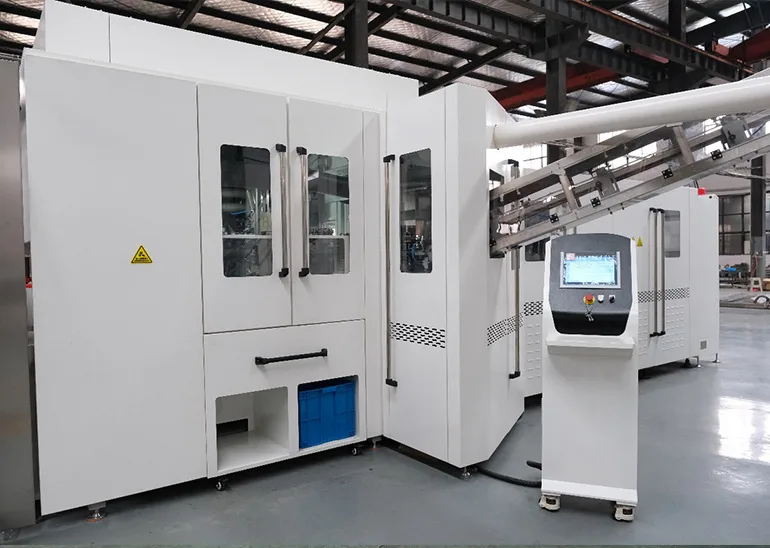
Mechanical valves dominate still-water and low-cost lines; electronic (flow-meter controlled) valves win on accuracy for juice and CSD; servo valves add recipe flexibility and fastest changeover. The right valve is dictated by product (carbonation, viscosity, oxygen sensitivity) and target fill tolerance, not by price alone.
Operated by cam or pneumatic actuator, mechanical valves open/close on a fixed profile. A gravity filler for still water uses them because the product is forgiving and speed is the priority.
An electronic (flow-meter or weight-controlled) valve modulates flow in real time, hitting ±1 ml on juice and CSD lines where dose and CO₂ loss matter.
Servo-driven valves give fully programmable fill curves, fastest changeover and best control for sensitive or foamy products—ideal for multi-SKU plants.
| Type | Accuracy | Speed | Best for |
|---|---|---|---|
| Mechanical | ±2–3 ml | Very high | Still water, large format |
| Electronic | ±1 ml | High | Juice, CSD, milk |
| Servo | ±0.5 ml | High + flexible | Multi-SKU, sensitive |
Often yes on modular Combiblock platforms, but confirm spare-part and control compatibility with the supplier.
An isobaric electronic valve filling at counter-pressure minimizes foaming and CO₂ loss versus a simple mechanical valve.
Specify the right valve architecture on your filling machine or Combiblock with Sunswell.



 +86 13921964455
 [email protected]

A2 Dongjiu Industrial Park, 30 East Jintang Road, Tangshi, Zhangjiagang, Jiangsu 215600, China