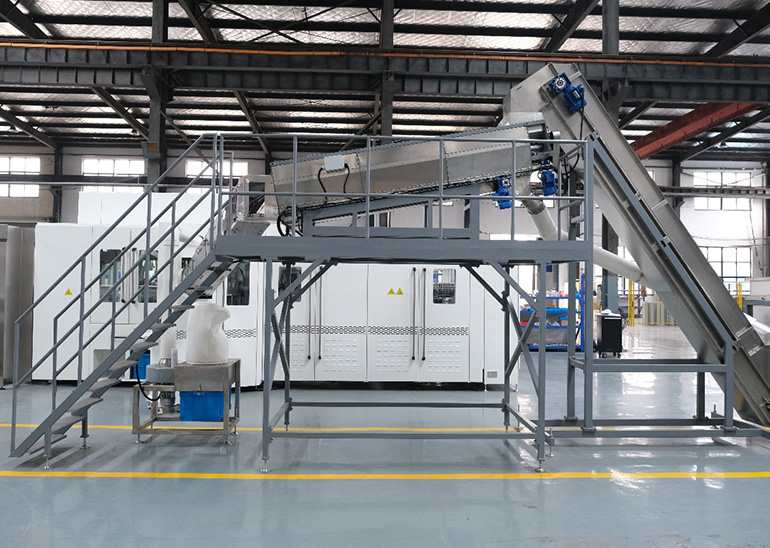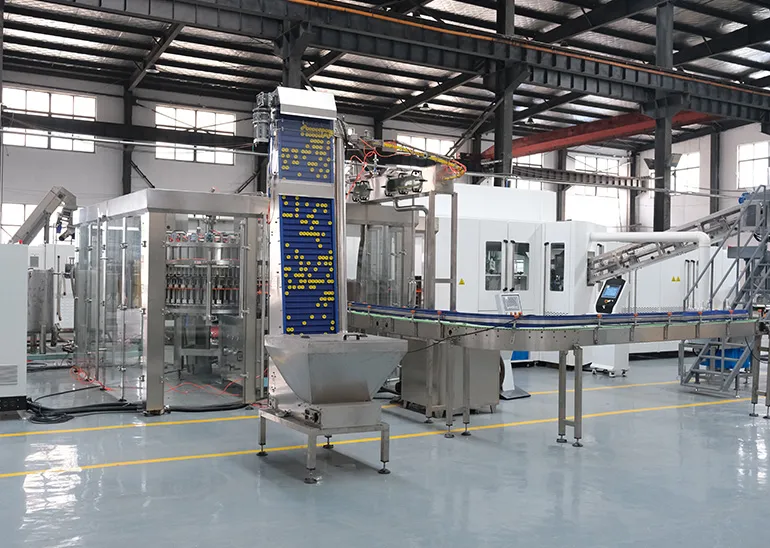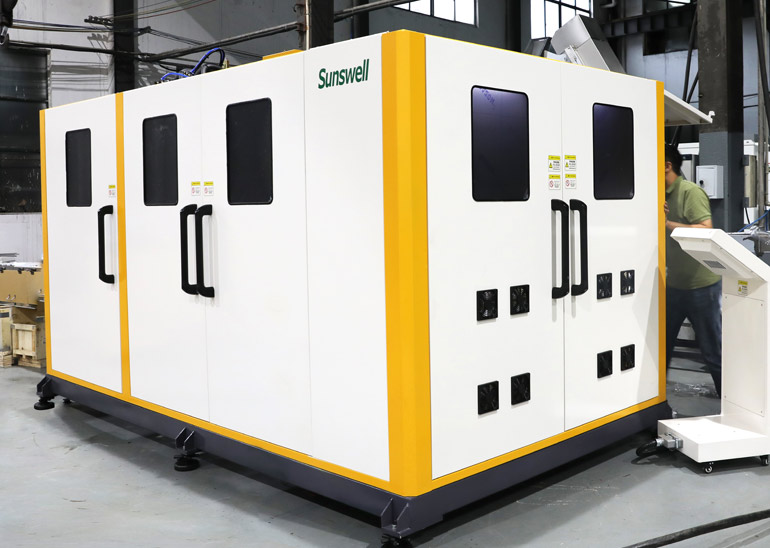
Linear and rotary blow molding machines represent the two mainstream technical approaches for PET stretch blow molding. Rotary machines excel in high-speed, continuous, and high-volume production, meeting the large-scale needs of major enterprises; linear machines are characterized by simple construction, lower investment costs, and flexible changeovers, making them suitable for small- to medium-scale production. The following is a comparison across four key aspects.
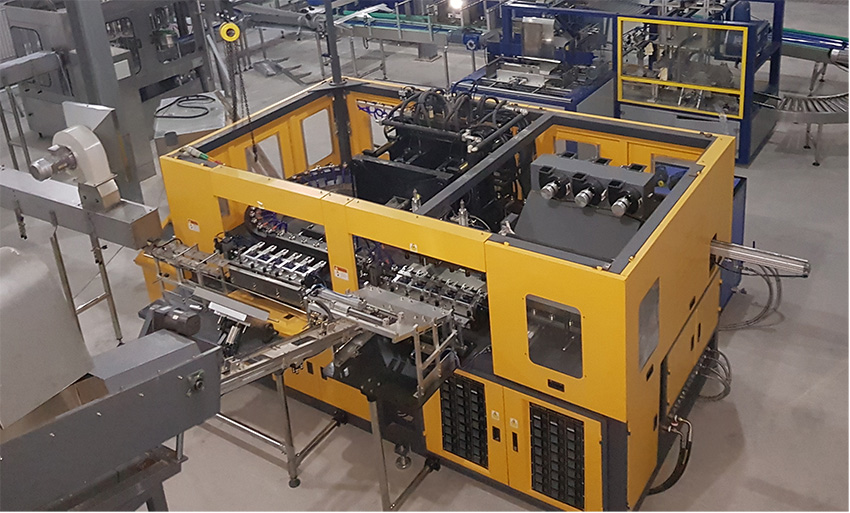
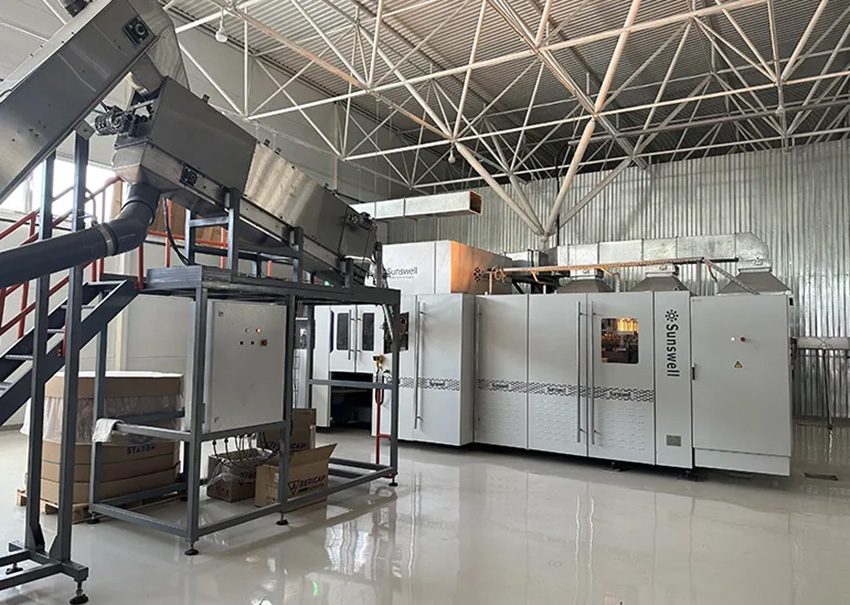
Both types of machines utilize the two-stage stretch blow molding process (preform handling → heating → stretching → pre-blowing → high-pressure blowing → bottle discharge); the fundamental difference between them lies in the preform's movement path and the production cadence.
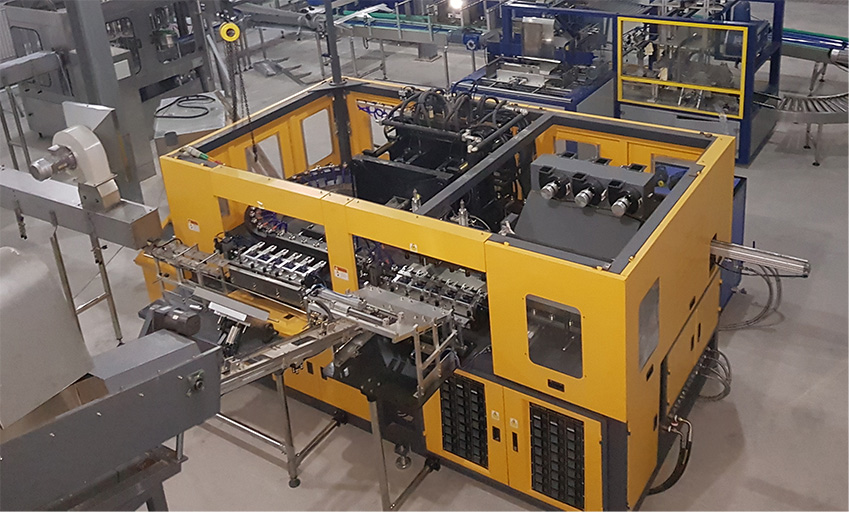
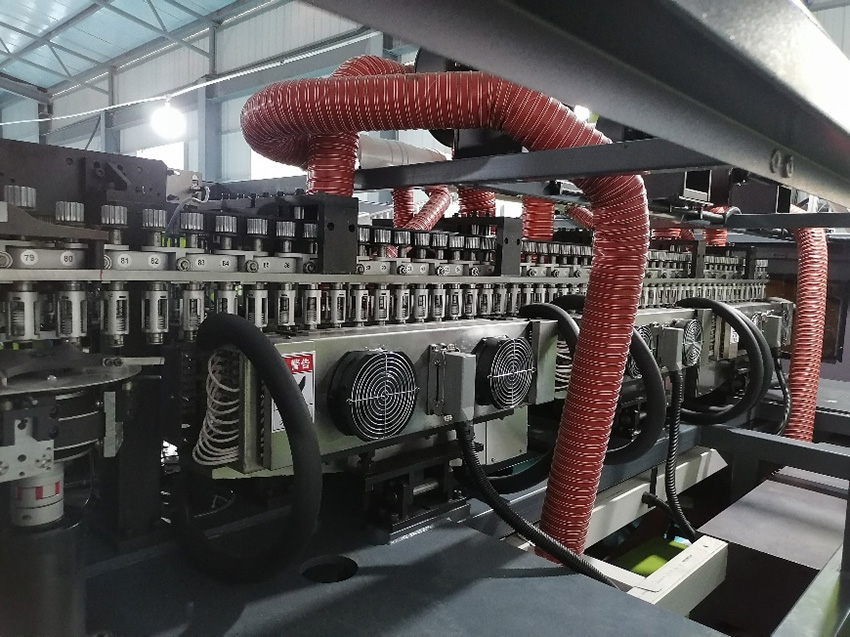
Linear Type (Intermittent Reciprocating):
Motion characteristics: Linear track, intermittent stepping, start-stop production.
Structural details: Forward heating, full-row mold clamping, compact design; suitable for low-to-medium production capacities and frequent product changeovers.
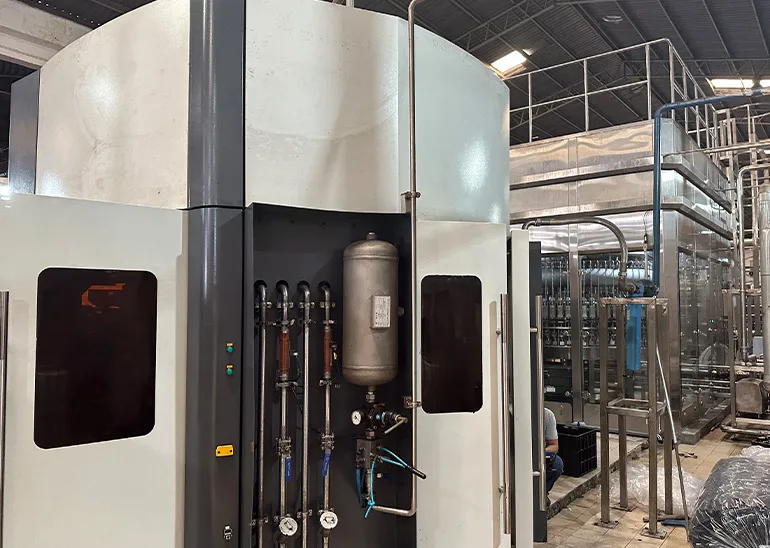
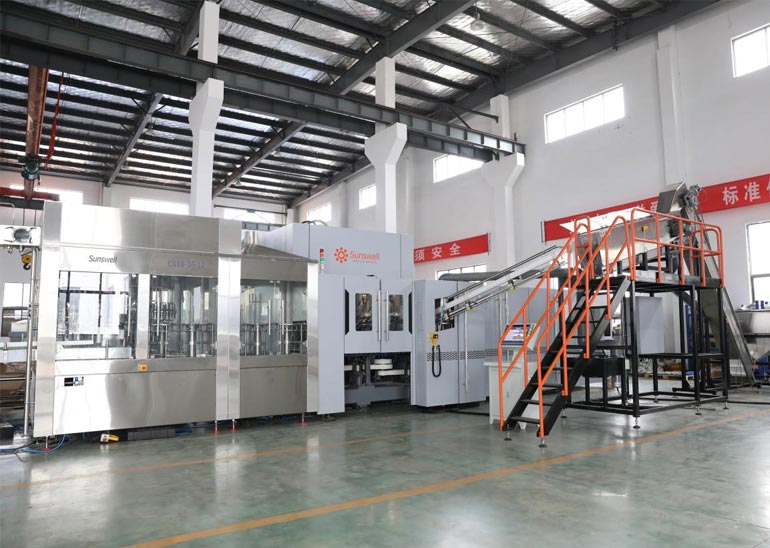
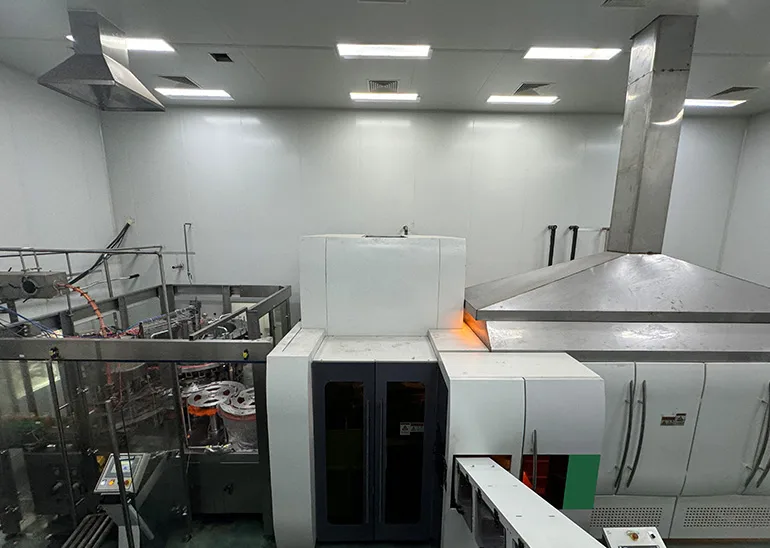
Rotary type (continuous rotation type):
Movement characteristics: rotary worktable, uniform continuous rotation, and high-speed operation.
Structural details: inverted rotation heating, star wheel cam seamless handover, single-mode independent stretching, smooth operation, specially designed for high-volume industrialized high-speed production lines.
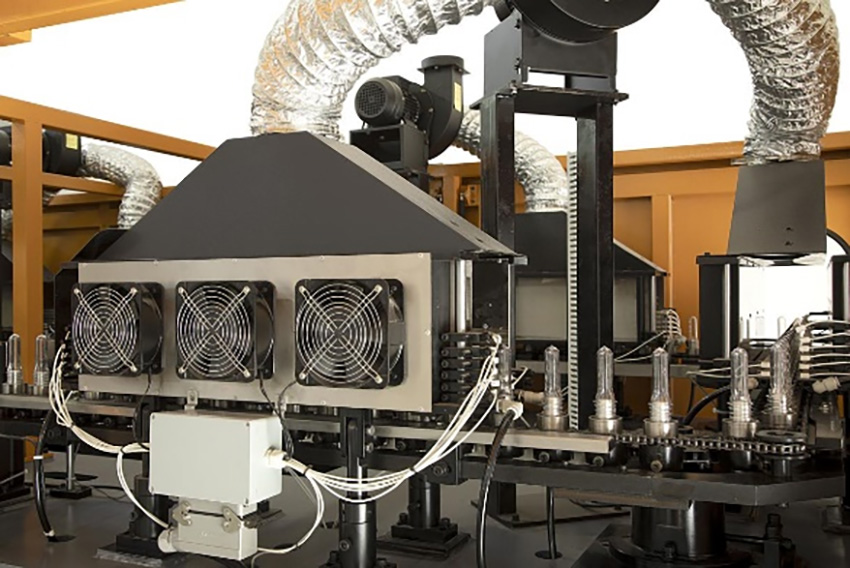
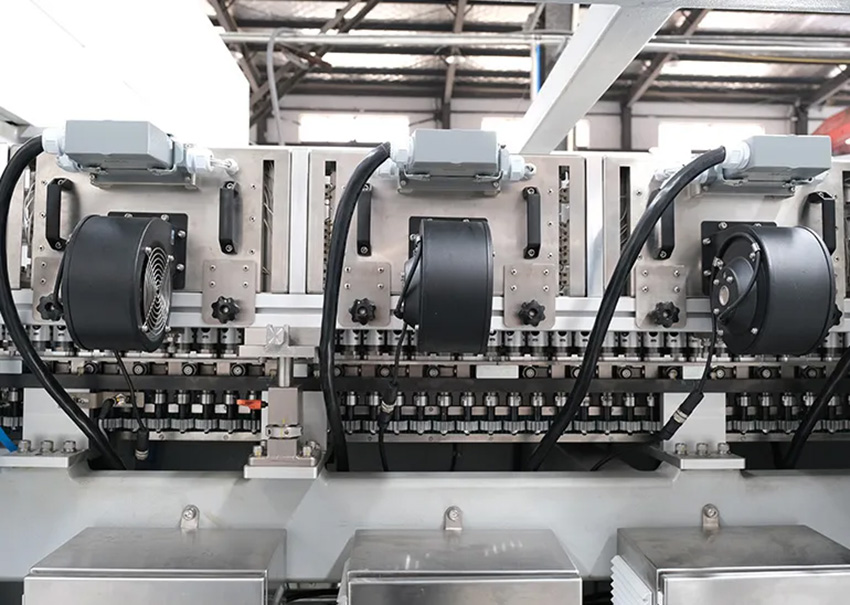
Production capacity: Linear machines typically feature 4–10 cavities, with an overall output of 6,000–12,000 bottles per hour; rotary machines can accommodate 6–24 or more cavities, with a per-mold output approximately 1.5 to 2 times that of linear machines, and high-speed models can exceed 20,000 bottles per hour.
Stability: Rotary systems offer continuous operation with smooth cycling and consistent product quality; linear systems involve frequent starts and stops, limiting stability at high speeds.
Energy consumption: Rotary systems offer precise temperature zone control and high energy efficiency—further enhanced by servo drives—whereas linear systems incur relatively higher energy losses during start-stop operations.
Adaptability to bottle types: Linear systems offer greater versatility regarding bottle shapes (such as irregularly shaped bottles, large-capacity square containers, and bottles with handles) and entail lower mold-change costs; rotary systems, conversely, excel in neck compatibility and high-speed production of standardized bottle types, though they involve higher costs for format changes.
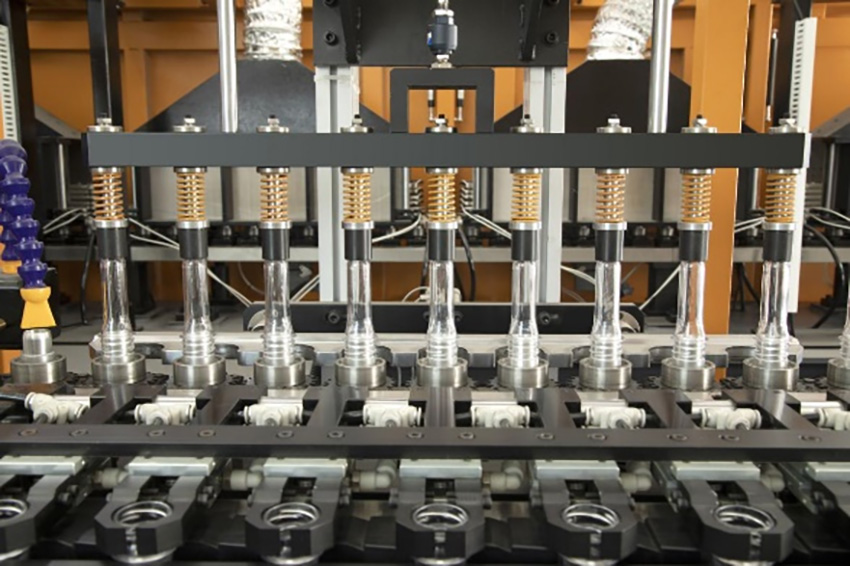
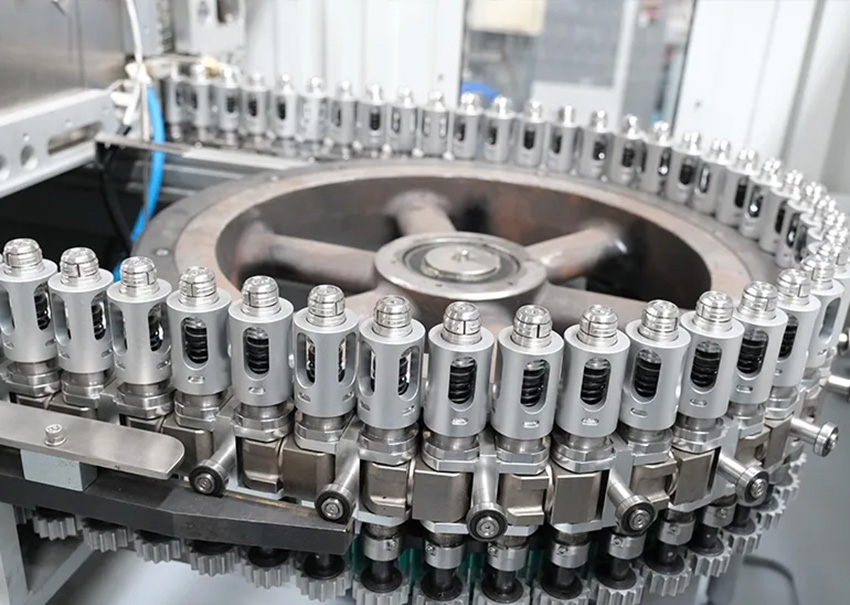
Linear type: Advantages include a low investment threshold, small footprint, simple maintenance, and flexible product switching; drawbacks include a low production capacity ceiling, significant vibration, and insufficient stability at high speeds.
Rotary type: Advantages include high production capacity, excellent product consistency, and low labor and energy costs per preform; drawbacks include high procurement costs, a large footprint, complex structure, and higher requirements for operators and maintenance personnel.
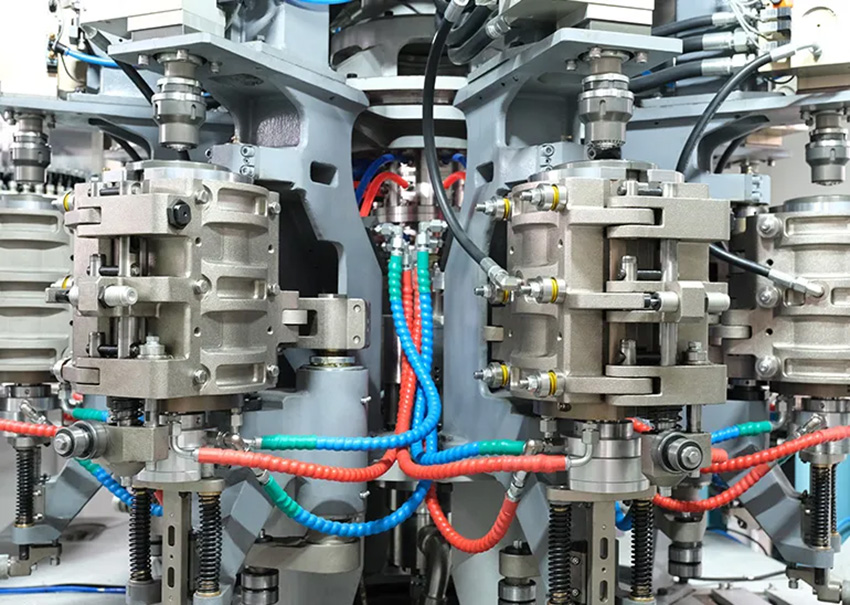
For large-scale enterprises producing beverages, edible oils, or household and personal care products—characterized by daily outputs exceeding 100,000 bottles and high product standardization—a rotary system better leverages economies of scale and results in lower long-term comprehensive costs.
For small and medium-sized beverage plants and contract manufacturers—characterized by production rates of up to 10,000 bottles per hour and frequent bottle-type changes—linear systems offer lower investment costs, faster changeovers, and superior cost-effectiveness.
Enterprises in a transitional phase: Based on capacity growth plans, they may choose either a rotary machine model with a medium number of cavities or a combined configuration of multiple linear machines operating in parallel.
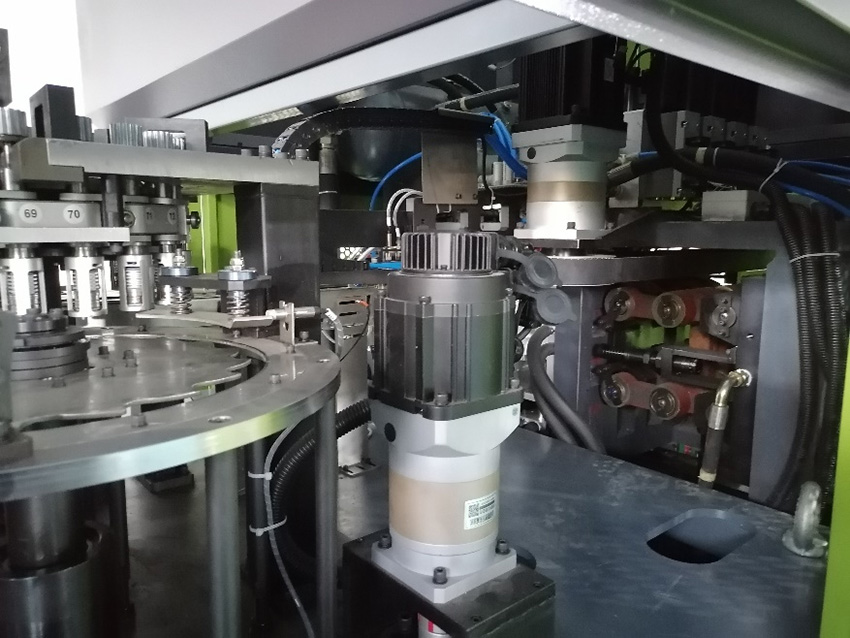
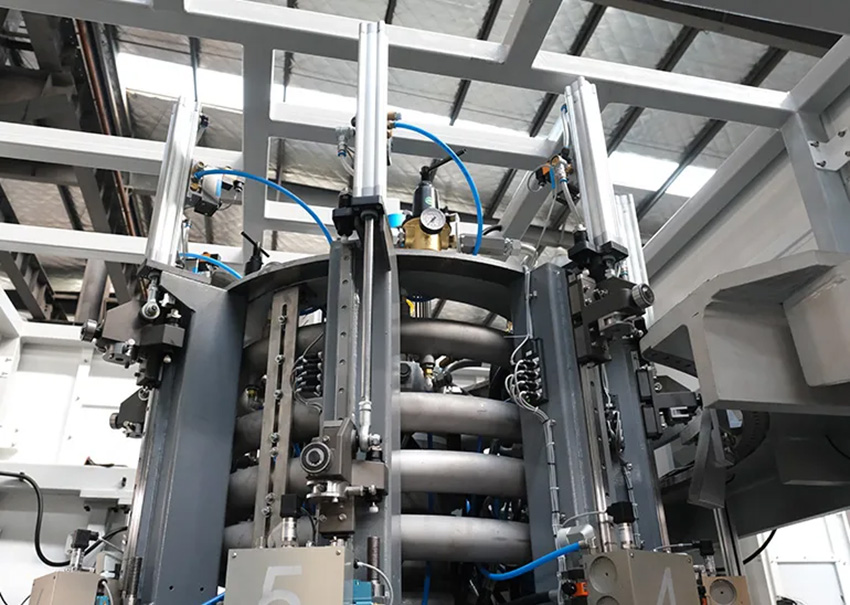
Linear systems represent flexibility, while rotary systems represent scale; neither is inherently superior to the other. Enterprises should select the appropriate machine type based on their own production capacity planning, product mix, and financial position to achieve an optimal balance between investment returns and production efficiency.
A: Often yes—cap and fill-level inspection alone prevents costly recalls; scale the camera count to speed.
A: No. Local dashboards work offline; cloud is for remote support and multi-site roll-ups.
A: Modestly—mostly software/config; choose a supplier with proven deployments to avoid custom-risk delays.
Explore Sunswell's technology or ask about a smart-line specification.



 +86 13921964455
 [email protected]

A2 Dongjiu Industrial Park, 30 East Jintang Road, Tangshi, Zhangjiagang, Jiangsu 215600, China