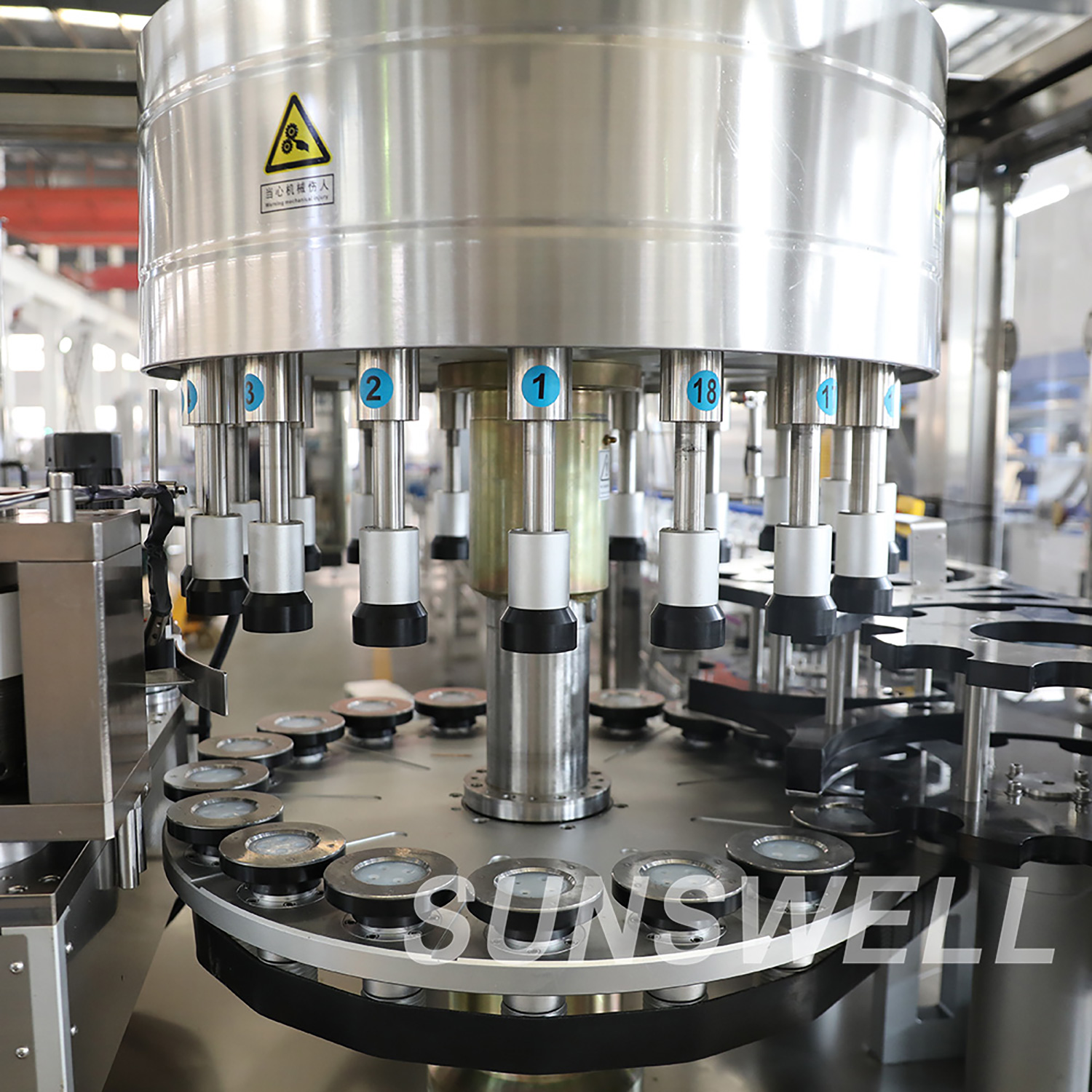
Integrating blow molding, filling and capping into a single Combiblock is the biggest layout and hygiene gain available to a beverage plant. By blowing the bottle at the filler instead of shipping empty PET, producers cut contamination, floor space and energy. This article explains the preform-to-sealed-bottle chain and when integration pays off.
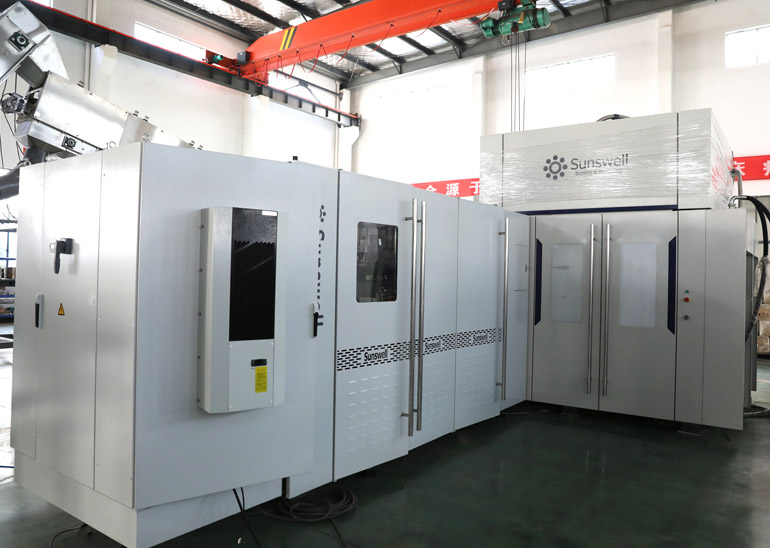
A Combiblock blows preforms, fills and caps in one enclosed block. Benefits: no empty-bottle conveyor (less contamination), smaller cleanroom, lower utilities, faster format change with shared mold. It suits water, CSD, juice and edible oil where hygiene and footprint matter more than lowest CapEx.
| Stage | In a Combiblock | In separate lines |
|---|---|---|
| Conditioning | Preform heat in-block | Offline blow molder |
| Blowing | Inline, no air convey | Blown bottle conveyed |
| Filling | Direct to filler | Conveyed to filler |
| Capping | Shared enclosure | Separate capper |
No empty bottle travels through the plant, so microbial and particle risk drops sharply—key for water and aseptic juice.
One block replaces blow molder + conveyors + cleanroom; a blow molding machine standalone needs far more space and air convey power.
Yes upfront, but lower building, utility and labor cost often repay it within a few years on mid-to-high speed lines.
With quick-change molds it handles several PET formats, though less flexibly than fully separate blow + fill lines.
Design your integrated Combiblock with turnkey beverage line engineering from Sunswell.



 +86 13921964455
 [email protected]

A2 Dongjiu Industrial Park, 30 East Jintang Road, Tangshi, Zhangjiagang, Jiangsu 215600, China