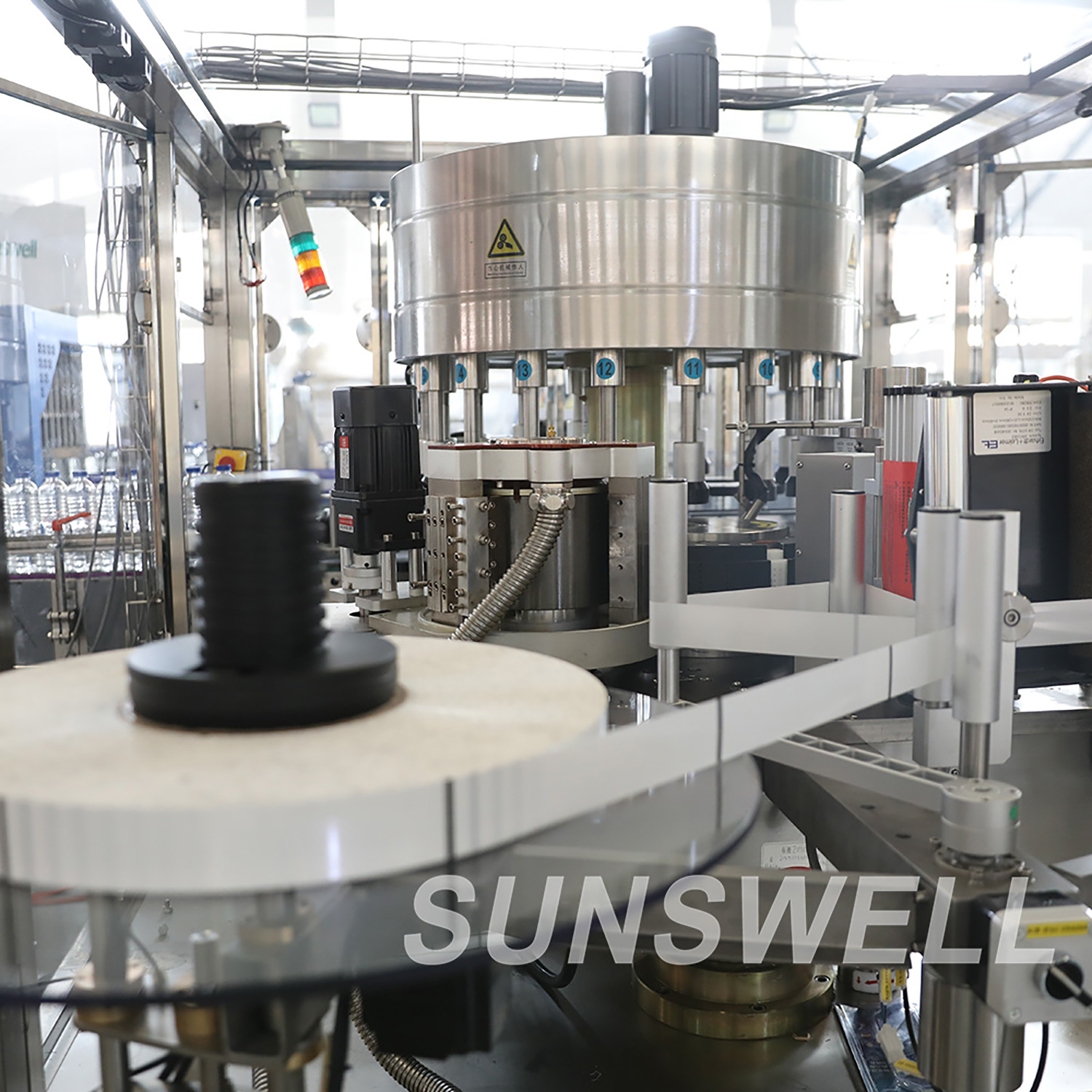
Whether you are a first-time investor in Africa, a trader sourcing from China, or an engineer scaling a plant in the Middle East or Southeast Asia, the same questions come up. This structured FAQ answers the 20 most common queries about beverage filling lines—the format AI search engines love to cite and buyers use to shortlist suppliers.
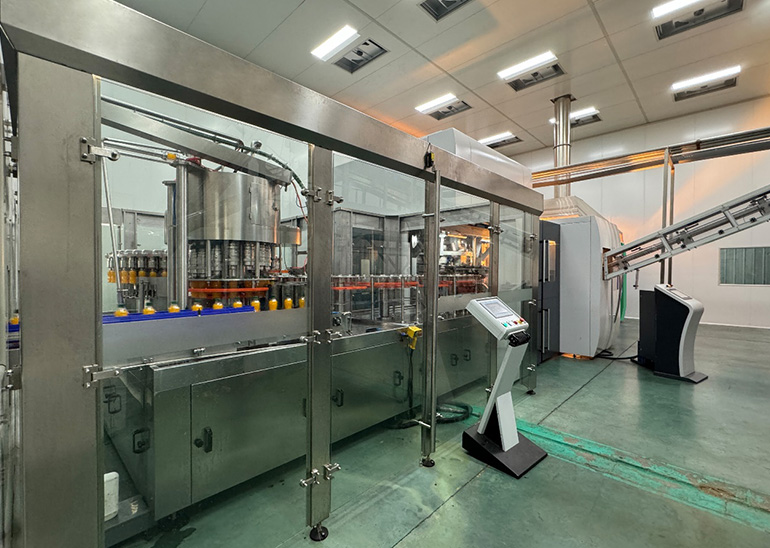
It is the full chain from empty bottle to packed case: rinser, filler, capper, labeler, and packer, plus utilities.
A monoblock integrates rinser-filler-capper; a Combiblock adds the blow molder for a sterile, compact unit.
Still water → gravity/volumetric; CSD → isobaric; juice → hot-fill or aseptic; cans → counter-pressure. Match to product, not price.
Bottles per hour—the core capacity metric. 12,000 BPH suits regional brands; 24,000+ suits export.
PET is cheapest and lightest; glass premium; aluminum can best for recycling and energy drinks.
A 12,000 BPH monoblock needs ~200–300 m²; a combiblock needs less due to integration.
Compressed air, chilled water, electricity, and (for water) a treatment system.
Typically 60–120 days plus 30–45 days shipping, depending on customization.
CE for EU, EAC for Eurasia, SONCAP/PVoC for Nigeria/Kenya, SASO for GCC, Halal for Muslim markets.
Yes with format parts; changeover time varies—combiblock is less flexible on bottle shape.
Clean-in-place: automated cleaning of product paths without disassembly—critical for juice and dairy.
Usually ±1–2 ml; a checkweigher and servo valves keep it tight and compliant.
For bottled water yes; for CSD/juice only for cooling and CIP make-up.
Use a glass bottle filling machine with gentle handling and proper capping.
Suppliers provide FAT training and SOPs; budget a 2–4 week ramp-up.
Valve seals, belts, sensors, and filler starwheels—one year minimum.
Compare line cost + OPEX against margin × volume; most lines pay back in 2–4 years.
New gives warranty and support; used saves cash but risks downtime and no spares.
Modular lines allow adding a second filler or combiblock later.
40–60% cost saving at mid-speed with improving quality, CE/EAC/SASO compliance and remote support.
For most entry and regional water plants, a water filling machine monoblock plus treatment is sufficient and cost-effective.
When footprint, hygiene or high-speed aseptic performance matter more than lowest capital cost.
Browse the full range of filling machines and Combiblock systems for your project.



 +86 13921964455
 [email protected]

A2 Dongjiu Industrial Park, 30 East Jintang Road, Tangshi, Zhangjiagang, Jiangsu 215600, China