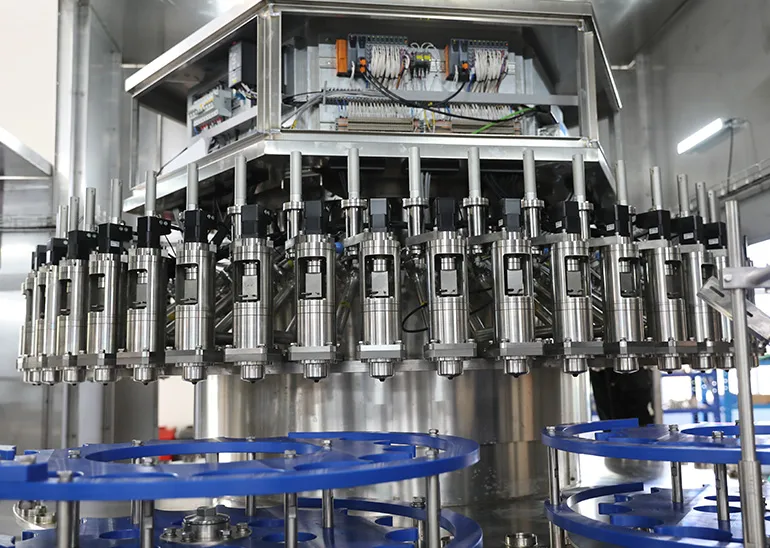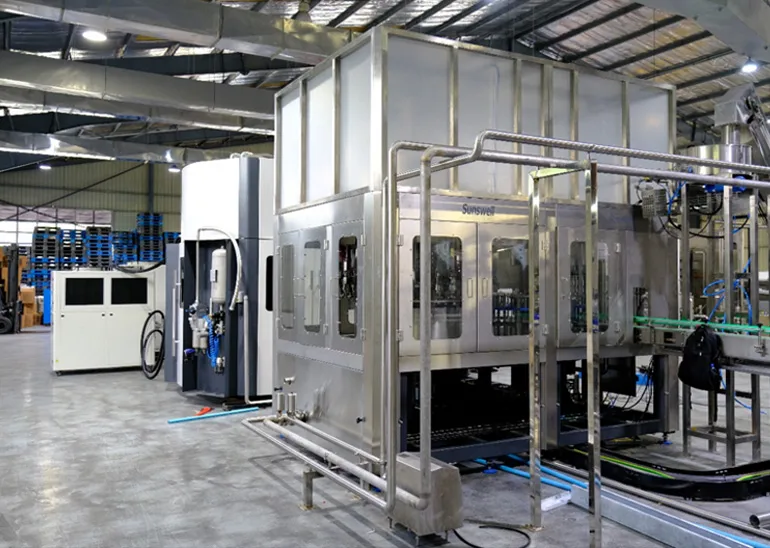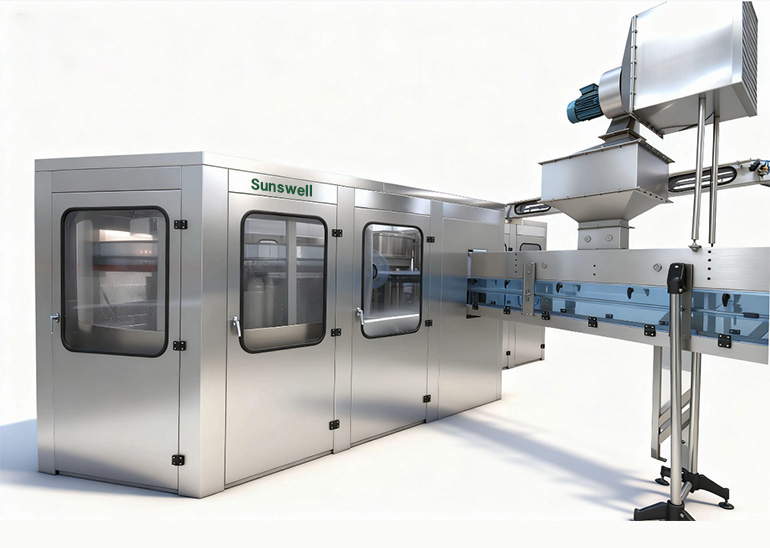
A beverage filling line is heavy, precision and moisture-sensitive—shipping it wrongly means bent frames, rusted bearings or a rejected container at destination. For the majority of buyers importing from China to Africa, Southeast Asia, the Middle East or Latin America, understanding FCL, LCL and break-bulk—and the Incoterms that assign risk—prevents costly surprises.
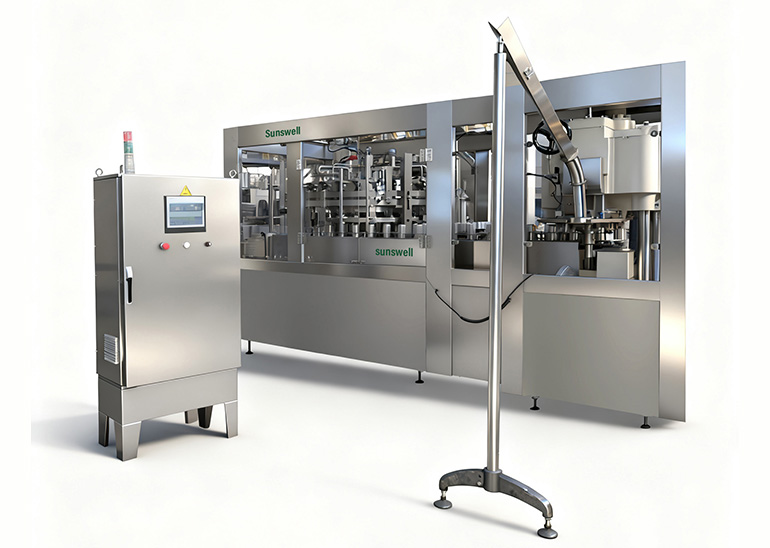
Most complete lines ship FCL (full container) in fitted wooden crates with desiccant and VCI paper. Small orders or spares use LCL; oversized frames need break-bulk or flat-rack. Choose CIF or FOB deliberately, insure to 110% value, and confirm the supplier crates to export standard.
| Mode | Best for | Risk | Cost |
|---|---|---|---|
| FCL (20/40ft) | Complete lines | Low (sealed) | Medium |
| LCL | Spares, small parts | Handling damage | Per-m³ high |
| Break-bulk / flat-rack | Oversized frames | Weather, lashing | High |
Crate with kiln-dried timber, internal bracing for the conveyor and depalletizer, VCI paper on steel, and desiccant bags. Seal electronic panels in anti-moisture film—critical for humid Southeast Asia and Africa.
Keep commercial invoice, packing list, bill of lading, certificate of origin and (for regulated markets) SASO/SONCAP/PVoC papers ready. Mismatched weights are the top cause of port delays.
FCL in crates unless a single frame exceeds container dimensions, then flat-rack/break-bulk with professional lashing.
Under FOB/CIF the buyer pays destination duty and tax; under DDP the supplier includes them.
Work with Sunswell for export-crated filling machines and packaging systems shipped FOB/CIF worldwide.



 +86 13921964455
 [email protected]

A2 Dongjiu Industrial Park, 30 East Jintang Road, Tangshi, Zhangjiagang, Jiangsu 215600, China