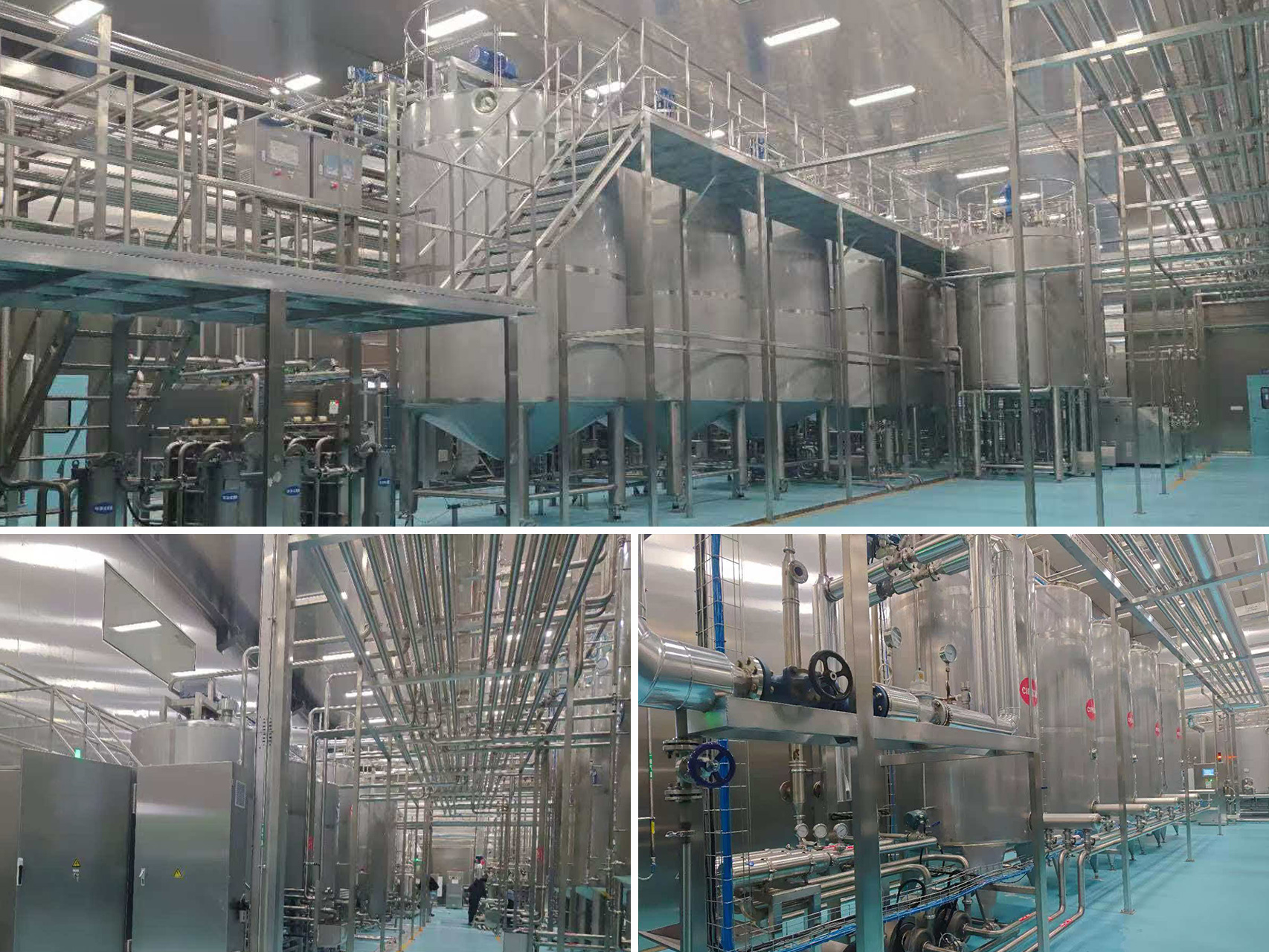
Energy is the fastest-rising operating cost for beverage plants, and in the EU it is now tied to regulation and ESG reporting. A typical PET filling line consumes 0.10–0.20 kWh per liter when you include blowing, cooling, CIP and compressed air. The good news: a structured retrofit and right-sized design can cut that by 20–30% without sacrificing throughput. For lines sourced from China, energy efficiency is increasingly a spec item, not an afterthought.
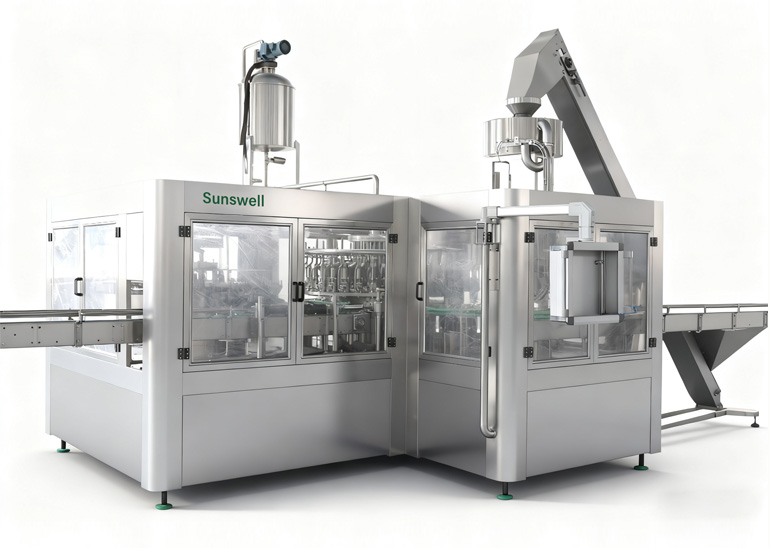
The three biggest loads are compressed air, blower/chiller and CIP. Target them with variable-frequency drives, heat recovery, optimized CIP recipes and leak-free pneumatics. Pairing a processing upgrade with a modern filling machine yields the fastest payback.
| Load | Share | Reduction lever |
|---|---|---|
| Compressed air | 25–35% | VFD compressors, leak audit, servo valves |
| Blowing / chiller | 20–30% | Heat recovery, right-size chiller |
| CIP / water heating | 15–25% | Conductivity-optimized CIP, recovery tanks |
| Conveyor / motors | 10–15% | conveyor VFD, low-friction rail |
Compressors, blowers, pumps and conveyors should run on VFDs matched to demand rather than fixed-speed motors.
Recover heat from the pasteurizing tunnel and CIP return to pre-heat boiler feed or cleaning water.
Switch from time-based to conductivity-validated CIP to cut chemical, water and steam use by 20–40%.
Pneumatic leaks are invisible profit loss; a quarterly audit on filler valves and actuators pays for itself quickly.
Compressed-air leak audit plus VFD retrofit—often under 12 months, because air is the largest single load.
Indirectly yes: shorter product path, less transfer and smaller cleanroom cooling lower total plant load.
Upgrade to efficient processing and filling machines with VFD and heat-recovery options from Sunswell.



 +86 13921964455
 [email protected]

A2 Dongjiu Industrial Park, 30 East Jintang Road, Tangshi, Zhangjiagang, Jiangsu 215600, China