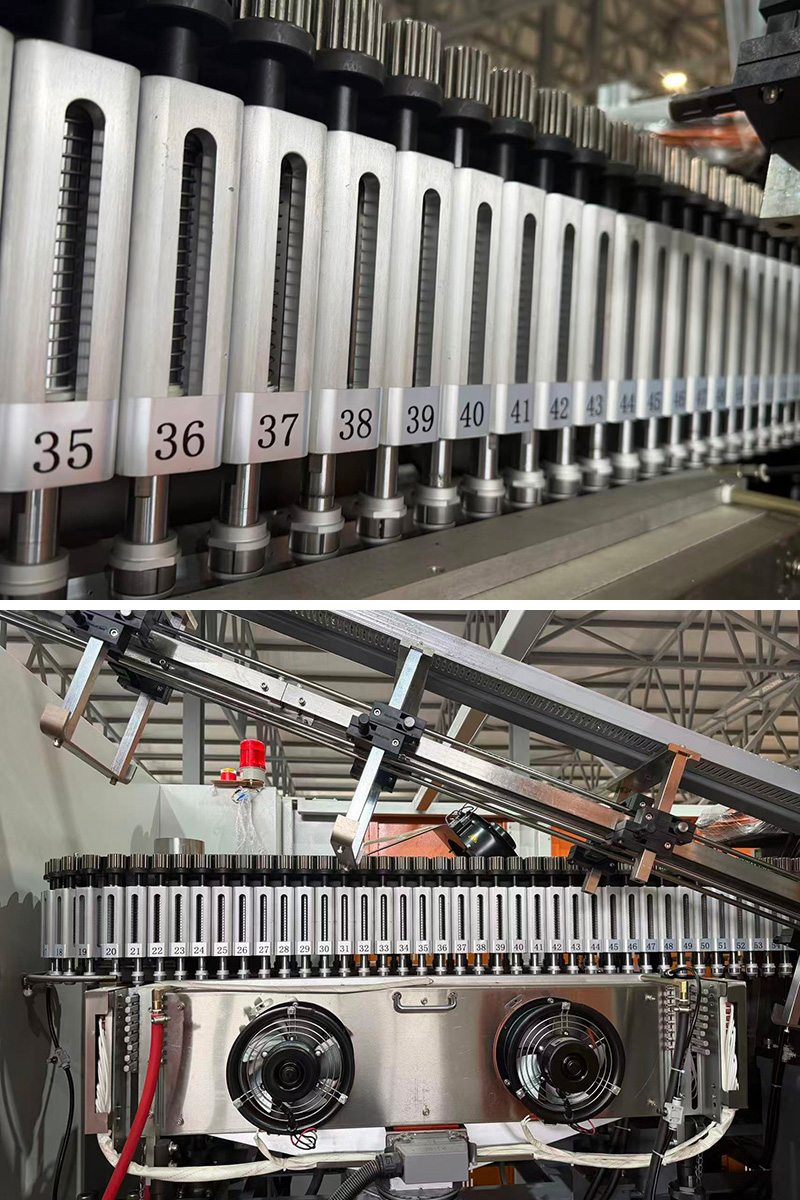
Unplanned downtime on a filling line can cost USD 5,000–20,000 per hour in lost output and spoiled product. Predictive maintenance—using AI and IoT to forecast failures before they happen—is moving from buzzword to baseline. For buyers running lines from China in Africa and other emerging markets where local expertise is thin, remote monitoring turns a risky asset into a managed one.
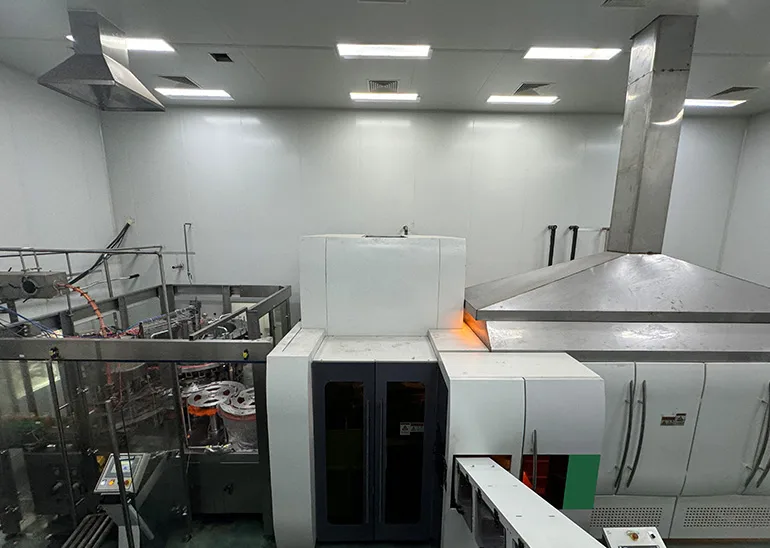
Predictive maintenance replaces fixed schedules with condition-based action: vibration, temperature, current and flow signals feed models that flag wear on bearings, seals and valves weeks early. Combined with conveyor and labeling telemetry, it lifts OEE 5–15 points. A modern filling machine ships sensor-ready for this.
| Signal | Sensor | Failure predicted |
|---|---|---|
| Vibration | Accelerometer | Bearing, belt, motor wear |
| Current draw | VFD telemetry | Jam, overload, seal drag |
| Temperature | RTD / IR | Lubrication loss, friction |
| Fill weight | Checkweigher | Valve leak, dose drift |
The model learns the normal signature per station, then flags deviations. A PE bottle filling machine valve rising in current draw signals a sticky seal before it leaks.
Regression models convert drift rate into days-to-failure, scheduling spares like a depalletizer chain before breakdown.
Cloud dashboards notify local teams and the supplier, enabling remote diagnosis from China without a flight.
No—retrofit sensor kits and edge gateways can instrument most existing fillers and conveyors.
Reputable platforms use encrypted channels and role-based access; data can stay on-prem if required.
Specify sensor-ready filling machines and conveyor systems with remote monitoring from Sunswell.



 +86 13921964455
 [email protected]

A2 Dongjiu Industrial Park, 30 East Jintang Road, Tangshi, Zhangjiagang, Jiangsu 215600, China