


Country Guide · Kazakhstan Juice & Tea
Juice and Tea Bottling Line for Kazakhstan
A thermal process with a filler attached — specify the bottle and the preparation area, not just the machine.
85–88 °C
Hot-fill temperature
6,000–24,000
BPH, hot-fill range
0.33–2 L
Format range
EAC
EAEU machinery conformity
444+
Lines delivered
Short answer: A juice and tea line for Kazakhstan is a hot-fill line: the product is heat treated, cooled to 85–88 °C, filled at that temperature, capped and inverted, then cooled in a tunnel before labelling. It needs heat-set bottles with crystallised necks, a valve chosen by pulp content rather than by speed, a preparation area sized for concentrate and sugar handling, and heated finished-goods storage for winter.
🎯 Key takeaways
- Filling happens at 85–88 °C after heat treatment at roughly 92–98 °C, with inversion and a cooling tunnel to about 35–40 °C
- Hot-fill needs heat-set bottles: crystallised neck, vacuum panels or a vacuum-absorbing base, heavier preform, heated moulds at 120–160 °C
- Choose the valve by product, not by speed — mechanical for clear product, volumetric for pulp, piston for fruit pieces
- Set fill volume hot and verify it cold, after the cooling tunnel; checking at the filler discharge hides months of overfill
- The preparation area is the usual constraint, not the filler: concentrate reconstitution, sugar dissolving, blending, deaeration and heat treatment
- Winter destroys unprotected finished goods — heated storage, cold-capable secondary packaging and condensation control
- Category naming is regulated: juice, nectar and juice drink carry defined minimum fruit contents, and the label needs Russian and Kazakh
On this page
1. What the Kazakh juice and tea shelf actually contains
The category on the shelf here is broader than the word juice suggests. Reconstituted juice, nectar and juice drinks sit alongside cold sweet tea, and the volume sits mostly in the middle and lower juice-content tiers rather than in premium not-from-concentrate lines. That matters for equipment because juice content drives the preparation area far more than it drives the filler.
- Raw material comes from two directions. Imported concentrate covers orange, pineapple, peach and multifruit. Local and regional supply covers apple and grape, which are pressed seasonally and then stored.
- Tea is a summer volume driver. Cold sweetened tea competes directly with carbonated drinks in the hot months and uses the same bottles and the same hot-fill line.
- Two pack roles. 1 L and 1.5 L family packs bought in the store for the home, and 0.33–0.5 L convenience packs bought cold and consumed immediately. They behave as separate businesses with separate distribution.
- Winter does not stop the category the way it stops water and carbonated drinks, but it does change the logistics, because the product can freeze in transit and in unheated storage.
Size the line on the summer peak and the pack mix, then check the result against the preparation area. A 12,000 BPH filler is straightforward; keeping it supplied with hot, correctly blended product all shift is where mid-size plants most often fall short.
Decide the juice content tiers before the plant is designed. Juice, nectar and juice drink are legally defined categories in the Eurasian Economic Union with different minimum fruit contents and different label rules. The tier decides how much concentrate you handle, how much sugar you dissolve, and therefore how big the preparation room needs to be. Confirm the current definitions with your certification body before artwork and before layout.
2. The hot-fill process, stage by stage
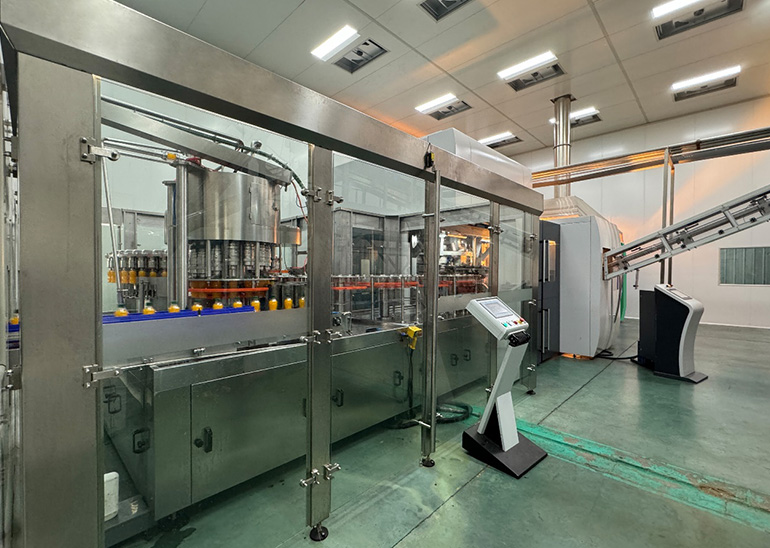
Hot-fill is a thermal process with a filler attached, and the filler is the least complicated part of it. The sequence below is the standard route for high-acid products in PET.
| Stage | Typical parameter (indicative) | Purpose |
|---|---|---|
| Blending and standardising | To recipe, with recorded weights | Brix, acidity and juice content set here, not corrected later |
| Deaeration | Before heating | Removes dissolved oxygen; protects colour, vitamin content and flavour |
| Heat treatment | About 92–98 °C with a short hold | Microbial reduction and enzyme deactivation for acidic products |
| Cooling to filling temperature | 85–88 °C | Hot enough to treat the pack, cool enough to control bottle deformation |
| Filling and capping | 85–88 °C at the valve | Fill volume set hot so the declared volume is correct cold |
| Inversion | Typically 20–40 s | Brings the closure and neck into contact with hot product |
| Cooling tunnel | Down to roughly 35–40 °C | Stops thermal damage to the product and allows labelling and packing |
| Labelling, coding, packing | Ambient | Bottle must be dry before the label is applied |
Two constraints define the boundaries of this process. First, it is a route for high-acid products; low-acid formulations need a different process entirely and should not be forced onto a hot-fill line. Second, everything the product touches between the heat treatment and the closed bottle has to be cleanable in place and kept hot, because a cool dead leg in the filler bowl feed is a hygiene risk that no amount of downstream care will fix.
Fill volume is set hot and verified cold. Product at 86 °C occupies more space than the same mass at 20 °C, and the pack also pulls a vacuum as it cools. Set the filler to a hot target that lands on the declared volume after the cooling tunnel, and put the check-weigh or level check after the tunnel, not at the filler discharge. Plants that verify at the filler routinely overfill for months without noticing.
3. Heat-resistant bottles change the blowing side
The bottle is the part of a hot-fill project that first-time buyers underestimate. A hot-fill pack has to survive being filled at 86 °C, capped, inverted, cooled, and then shipped with a partial vacuum inside it.
| Aspect | Cold-fill PET | Hot-fill PET |
|---|---|---|
| Neck finish | Standard amorphous neck | Crystallised neck finish, whitened, dimensionally stable when hot |
| Body design | Plain or lightly ribbed | Vacuum absorbing panels, or a panel-less body with a vacuum-absorbing base |
| Preform weight | Lighter | Heavier for the same volume |
| Blow mould temperature | Chilled moulds | Heated moulds, typically in the 120–160 °C range |
| Cycle time per cavity | Faster | Longer — heat-set blowing trades output for stability |
| Bottle cost | Lower | Higher, and it is a permanent cost per pack |
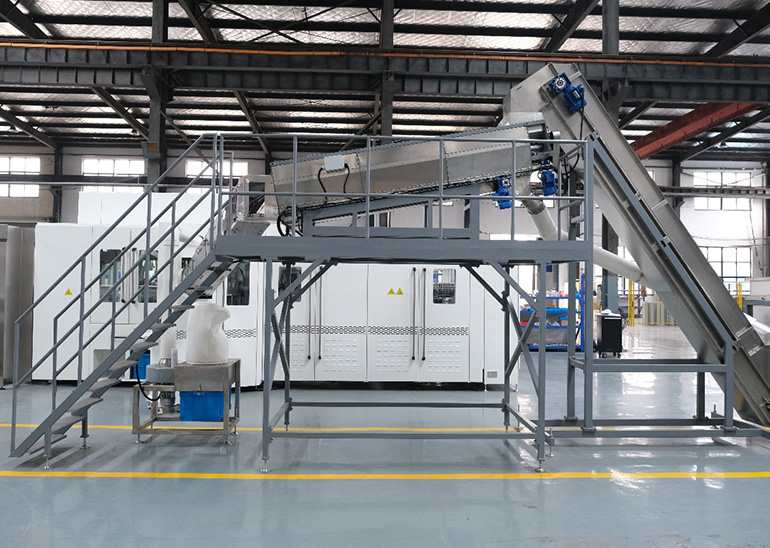
The practical consequences are simple. A blow moulder intended for hot-fill needs heated mould circuits and the associated temperature control units, and its rated output at heat-set conditions is lower than the same machine running cold-fill bottles. If a supplier quotes one output figure without asking whether the bottle is heat-set, the quotation is not comparable to one that does.
Panel design is worth involving the bottle designer in early. Panels absorb the cooling vacuum, but they also govern top-load strength for palletising and how the label sits. A wrap-around label across a panelled body can wrinkle if the panels move; that shows up as a shelf-appearance complaint long after the machines are signed off.
4. Choosing the filling valve by product, not by speed
On a water or carbonated line the valve follows the speed band. On juice and tea it follows the product, and speed comes second.
| Product character | Reference | Typical band | Notes |
|---|---|---|---|
| Clear juice, nectar, tea, no suspended solids | P004 | Hot-fill mechanical, to 36,000 BPH, 0.2–2 L | Lowest unit cost at speed; level set mechanically |
| Juice with suspended pulp | P005 | Volumetric, 6,000–24,000 BPH | Wide flow path; volume dosed rather than level dosed |
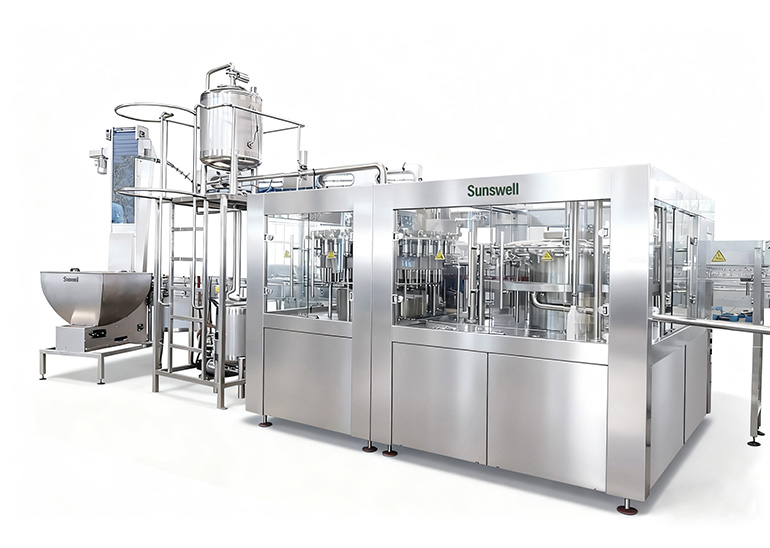
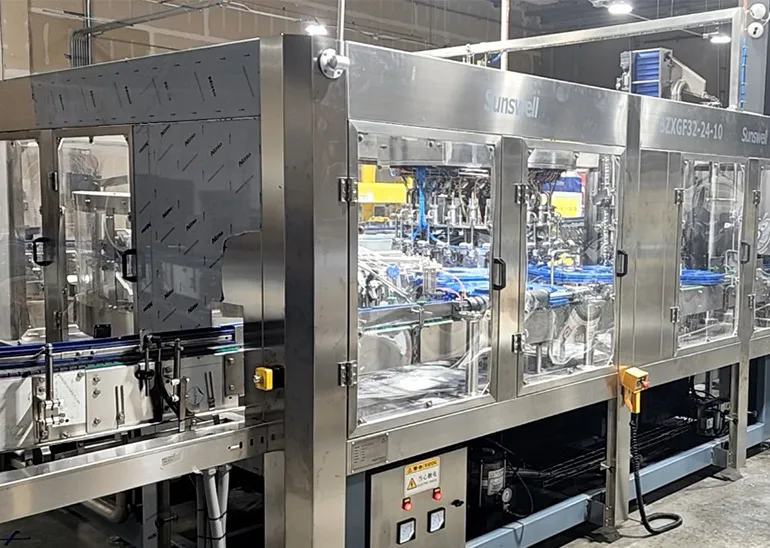
| General hot-fill duty, 85–88 °C | P018 | 6,000–24,000 BPH, 0.2–2 L | The reference hot-fill filler for mid-size plants |
| Fibrous product or fruit pieces | P021 | Piston filler, 2,000–12,000 BPH | Handles particulates and viscosity; slower by design |
Decision rules:
- If every SKU is clear or lightly clouded and the plant needs speed, then a mechanical hot-fill valve gives the most output per unit of capital.
- If the range includes pulp-containing nectars, then specify volumetric valves for the whole line rather than trying to run pulp through a mechanical valve occasionally.
- If any SKU contains visible fruit pieces or high fibre, then a piston filler is the honest answer, and it should be planned as a separate slower line rather than as a compromise on the main one.
- If declared volume accuracy is commercially sensitive across a wide density range, then volumetric dosing removes the variation that level filling carries between hot and cold product.
- If the product list is still open, then send samples and a written pulp specification before the valve is fixed; retrofitting a wider flow path later means new valve bodies, not a setting change.
The wider selection logic, including bottle size effects and capacity banding, is set out in the juice and tea machine selection guide. For the complete scope — blowing, filling, capping, labelling and palletising — see the juice production line solution.
5. Preparation: concentrate, local fruit and tea
5.1 Water first
Reconstituted juice is mostly water, and the water carries its own taste. Treat process water to the same standard you would apply to bottled drinking water, and test the source before designing the treatment; chlorine, iron and high hardness all show up in the finished drink. The sequencing logic is the same as for a water plant, which is covered in setting up a bottled water plant in Kazakhstan.
5.2 Concentrate versus local fruit
- Imported concentrate arrives in drums or bulk bag-in-box packaging, is stored cold, and is reconstituted to a defined Brix. It gives year-round availability and consistent quality, at the cost of currency exposure and lead time.
- Local apple and grape are pressed in season. That means a short intake window, storage capacity for the resulting juice or concentrate, and a plan for what the line runs in the months when local fruit is not available.
- Sugar and acid handling is shared with any carbonated operation on the same site. If both exist, a single well-sized dissolving and blending area serves both rather than duplicating equipment.
5.3 Tea
Tea is either brewed from leaf and filtered, or made from instant extract. Brewing gives a better product and adds an extraction vessel, a filtration stage and a cooling step. The recurring technical problem is haze: polyphenols and proteins associate as the liquid cools and produce a cloud that consumers read as spoilage. Fast controlled cooling, fine filtration and formulation adjustment are the levers, and they need to be settled during product development rather than during commissioning.
6. Formats, seasonality and the Kazakh winter
| Format | Channel | Line implication |
|---|---|---|
| 0.33–0.5 L | Convenience, chilled cabinet, on-the-go | Highest bottles per litre — the format that stresses rated speed |
| 1 L | Family, general retail | The volume workhorse for juice in this market |
| 1.5 L | Family and value | Shared bottle family with water and carbonated lines |
| 2 L | Value, occasional | Check top-load and panel design at pallet height |
Cold weather affects a juice plant in ways that a specification written elsewhere will not mention:
- Finished product freezes. Water in the product expands on freezing and deforms or splits the pack. Unheated finished-goods storage is not usable in deep winter.
- PET is brittle when cold. Bottles that survive normal handling crack under the same handling at low temperature, and secondary packaging has to be specified accordingly.
- Condensation on the way back in. Pallets moved from a cold store or a cold vehicle into a warm hall sweat, which softens cartons and lifts labels.
- Inbound raw material. Concentrate and packaging arriving in winter need their own thawing and conditioning plan, particularly preforms and caps, which must reach room temperature before they run.
- Transport windows. Road disruption in winter argues for larger finished-goods buffers and for planning production runs around distribution rather than around the machine.
7. Shelf life, labels and conformity
Shelf life on a hot-fill product is a property of the whole pack, not of the filler. The contributors are product acidity and formulation, oxygen ingress through the bottle wall and the closure liner, the headspace left in the bottle, and the storage temperature the product actually sees. Ambient shelf life in the six to twelve month range is typical for high-acid products, but the number that goes on the label must come from your own trials on your own pack.
| Requirement | Scope | Action |
|---|---|---|
| EAC conformity, EAEU technical regulations | The machinery | Agreed at contract stage; the manufacturer supplies the technical file |
| TR CU 021 food safety | Process, plant and product | Design the cleaning regime and record keeping to match |
| TR CU 022 labelling | Label artwork | Composition, nutrition, volume, dates, storage, manufacturer details |
| Juice product regulation | Category naming and minimum juice content | Confirm current definitions for juice, nectar and juice drink before artwork |
| Language | Label, manual, HMI | Russian and Kazakh on the pack; Russian documentation for the line |
The machinery side of this is described in full in EAC certification for beverage machinery imported into Kazakhstan, and the broader import sequence in the Kazakhstan equipment import guide.
8. References, and the errors that repeat
Relevant Sunswell hot-fill and Central Asian experience:
- Goknur, Turkey — 2 × 18,000 BPH juice lines. The closest process reference for a mid-to-high speed hot-fill plant.
- Taza, Kazakhstan — 4 × 12,000 BPH 1.5 L combiblock lines.
- Rauan, Kazakhstan — 8 sets of bottling and canning lines in the 12,000–24,000 range.
Errors that show up repeatedly on juice and tea projects in this region:
- Specifying a cold-fill bottle for a hot-fill line. The bottle, the preform and the moulds are part of the process, and they cost more. Budget them at the start.
- Comparing blower outputs without stating heat-set conditions. The same machine is slower on heat-set bottles, and quotations that ignore this are not comparable.
- Undersizing the preparation area. The filler is rarely the constraint; concentrate handling, sugar dissolving, blending and heat treatment usually are.
- Verifying fill volume at the filler. Check after the cooling tunnel, where the product is at the temperature the customer will see.
- Ignoring haze in tea until commissioning. It is a formulation and cooling problem, and it needs to be solved in product development.
- Leaving finished goods in unheated storage over winter. Frozen product is destroyed product, and it is entirely avoidable.
- Buying no spares for the heat exchanger and the tunnel. These are the parts that stop a hot-fill line, and they are not held locally; see service and spare parts in Kazakhstan and Central Asia.
Frequently asked questions
What is hot-fill and why is it used for juice and tea?
The product is heat treated, cooled to 85–88 °C, filled at that temperature and capped. The hot liquid brings the closure, the neck and the headspace up to temperature, and the pack then cools under vacuum. It gives ambient shelf life for acidic products without a preservative-led recipe, using equipment a mid-size plant can run and maintain.
What temperature is the filling done at?
85–88 °C at the valve. Below that band the thermal effect on the closure and headspace becomes unreliable; above it, bottle deformation and shrinkage get harder to control and the product spends longer at high temperature, which costs colour and flavour.
Can a hot-fill line run ordinary PET bottles?
No. Hot-fill needs heat-set bottles with a crystallised neck finish and either vacuum absorbing panels or a vacuum-absorbing base. A standard cold-fill bottle filled at 85 °C distorts at the neck and collapses as it cools. The bottle design and the blow moulds must be specified for hot-fill from the start.
Which filling valve suits juice with pulp?
Clear juice, nectar and tea run on mechanical or volumetric hot-fill valves. Products with suspended pulp need a volumetric valve with a wide flow path, and fibrous products or fruit pieces need a piston filler, which handles particulates at lower speed. Send a product sample and the pulp specification before the valve is chosen.
What shelf life does hot-fill give?
For high-acid products, ambient shelf life is typically in the range of six to twelve months depending on formulation, oxygen ingress through the pack, headspace and storage temperature. Establish the real figure with your own shelf-life trials on the actual pack, not from a generic table.
Can we fill both juice and tea on the same line?
Yes, and most plants in this market do. Both are hot filled and both use the same bottle family. The differences sit upstream: tea needs brewing or extract dissolving and fine filtration, juice needs concentrate reconstitution or fruit pressing. Plan the preparation area for both from the beginning.
How does winter affect a juice plant in Kazakhstan?
Finished product freezes and expands, deforming or splitting bottles, and PET becomes brittle below zero. Heated finished-goods storage, heated or insulated transport, and secondary packaging that survives cold handling all belong in the plan, along with condensation control when pallets move from cold to warm.
Do you have juice and tea references?
Yes. Goknur in Turkey runs 2 × 18,000 BPH juice lines, which is the closest process reference for a mid-to-high speed hot-fill plant. In Kazakhstan, Taza runs 4 × 12,000 BPH 1.5 L combiblock lines and Rauan has taken 8 sets of bottling and canning lines in the 12,000–24,000 range.
About the author
Written by the Sunswell engineering team — led by Howie SUN, Founder & CEO, with 14 years in filling and blow-moulding equipment R&D and turnkey project delivery across 71+ countries.
Last reviewed: 2026-08-07 · Reviewed by Sunswell engineering team
Ask our engineering team →Recommend Products
Project references
-
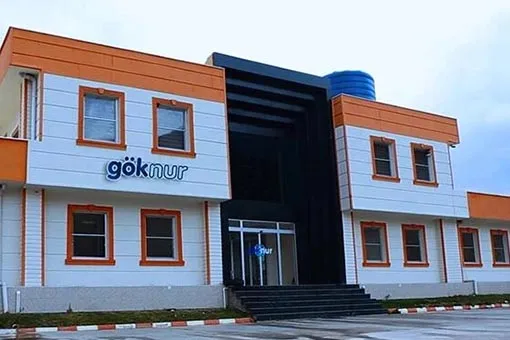
Goknur, 2 Sets of 18,000BPH Bottling Lines for Juice, Turkey
Country: Turkey
Product: Glass and PET Bottled Juice
Capacity: 20000BPH(330ml) Glass Bottle; 4000BPH(3L) PET Bottle
Solution:Juice Production Line
Read More + -
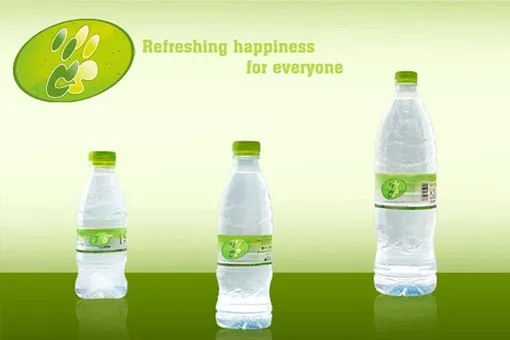
Taza, 4 Sets of 12,000BPH 1.5L Bottling Lines with Combiblock for Water, Maldives
Country: Maldives
Product: PET Bottled Mineralized Water
Capacity: 24,000BPH (500ml); 2 Lines
Solution:Water Production Line
Read More + -
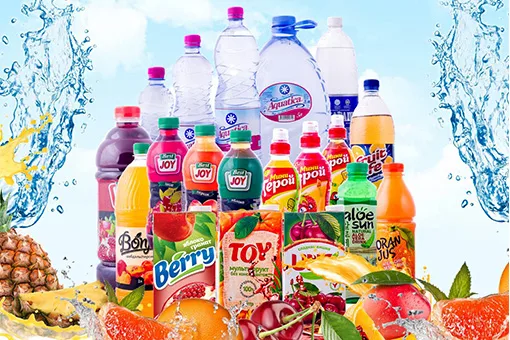
Rauan, 8 Sets of Bottlingand Canning Lines from 12,000-24,000BPH for Water, CSD and Juice, Kazakhstan
Country:Kazakhstan
Product: PET Bottled Sparkling Water, Canned Soft Drink, Canned Tea
Capacity: 25000CPH (250ml)
Solution:Three Lines,7000BPH(1.5L), 15000CPH(330ml),15000CPH(450ml)
Read More +
Have a specific project in mind?
Tell us product, target BPH, bottle sizes and market. We reply with a draft layout, equipment list and lead time estimate.
Fill the inquiry form ↑