


Country Guide · Kazakhstan
Setting Up a Bottled Water Plant in Kazakhstan — Equipment, Utilities and Budget
Start with the water analysis, size on the peak month, and design for winter — in that order.
8–14 mo
Decision to production
12,000–48,000
BPH, 0.2–2 L
EAC
EAEU conformity
9+
Countries with service
444+
Lines delivered
Short answer: A bottled water plant in Kazakhstan is planned in this order: commission a water analysis, size the line on peak-month demand rather than annual average, design utilities for winter conditions, settle EAC/EAEU conformity at contract stage, and run civil works in parallel with the 90–120 day manufacturing period. Budget 8–14 months from decision to steady production.
🎯 Key takeaways
- Water analysis first, equipment second — treatment scope follows the analysis and can rival the filling line in cost
- Size on the peak month: Kazakh demand is strongly seasonal and capacity cannot be bought back in July
- Design for winter: freeze protection, building heating, and covered storage for preforms, caps and cabinets
- EAC/EAEU conformity is a contract-stage decision, not a shipping formality
- Rail is the common route; delays at the border are administrative — documents must agree exactly
- Run civil works in parallel with manufacturing — the largest schedule saving available, worth 3–4 months
On this page
1. Reading the market before sizing the plant
Kazakhstan is a large country with a population concentrated in a handful of urban centres and long distances between them. That geography shapes a bottled water business more than any equipment decision: distribution radius, not production capacity, is usually the binding constraint on a new plant.
Three characteristics worth building into the plan:
- Strong seasonality. Summer demand substantially exceeds winter demand. A line sized on annual average will be short in July and idle in January.
- Distance-driven distribution cost. Water is heavy and cheap per unit. Freight economics favour producing near the market rather than shipping across the country.
- Format mix. Small-format retail and large multi-serve home-and-office formats behave as different businesses, with different bottles, different customers and different line requirements.
Size on the peak month, not the annual average. A plant built for average demand cannot buy capacity back in summer, which is the season the investment exists to serve. Build the calculation from peak-month volume, realistic operating hours and realistic efficiency — then check the number against your distribution reach.
2. Start with the water analysis, not the equipment
The single most common sequencing error in a new water plant is choosing filling equipment before analysing the source water. Treatment scope, cost and footprint all follow from that analysis, and treatment can rival the filling line in cost.
2.1 What to test
- Total dissolved solids and full mineral profile
- Hardness — calcium and magnesium
- Iron and manganese, which stain and foul membranes
- Nitrates and any agricultural contamination
- Microbiological load
- Seasonal variation — test at more than one time of year if the source is surface or shallow groundwater
2.2 How the result changes the plant
| Water condition | Typical treatment | Plant impact |
|---|---|---|
| Clean deep groundwater, stable minerals | Filtration and disinfection | Smallest treatment footprint and cost |
| Hard water | Softening ahead of the process | Additional equipment, salt consumption, regeneration waste |
| High TDS | Reverse osmosis with remineralisation | Significant capex, energy cost, and reject water to dispose of |
| Iron or manganese present | Oxidation and media filtration | Extra stages; untreated iron fouls membranes and stains bottles |
| Surface or seasonal source | Multi-barrier treatment with monitoring | Highest complexity; treatment must handle seasonal swings |
If you intend to sell the product as natural mineral water rather than treated drinking water, the permitted treatment is restricted by regulation and the source itself becomes part of the product claim. Establish which category you are selling into before designing the plant, because the two lead to different treatment designs.
3. Line configuration and sizing
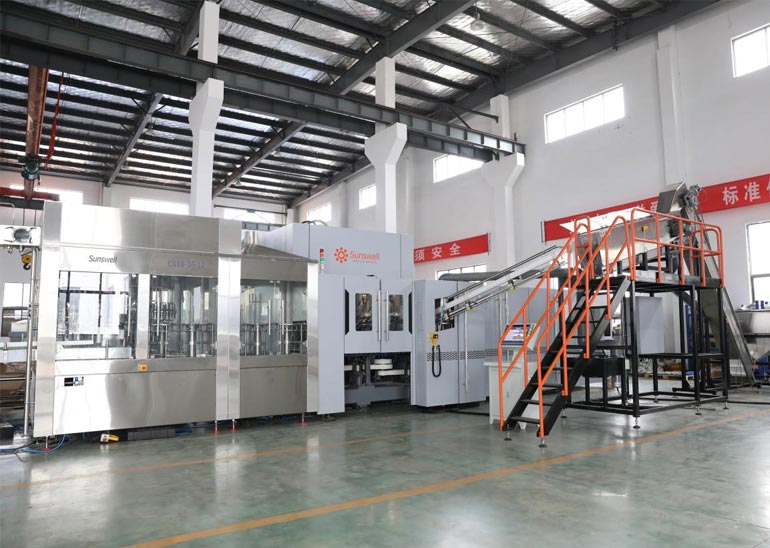
For small-format PET water, the practical choice is between a blow-fill-cap combiblock and a separate blow moulder plus filler.
| Combiblock | Separate blower + filler | |
|---|---|---|
| Floor area | Smaller — no air conveyor | Larger |
| Operators at the block | One | More — machines tended separately |
| Bottle weight | Lighter — neck-handled throughout | Carries conveyor handling margin |
| Can you sell empty bottles? | No | Yes |
| Below ~8,000 BPH | Usually not economic | Often the better choice |
| Stoppage behaviour | A stop is a whole-line stop | Blower can run into a buffer |
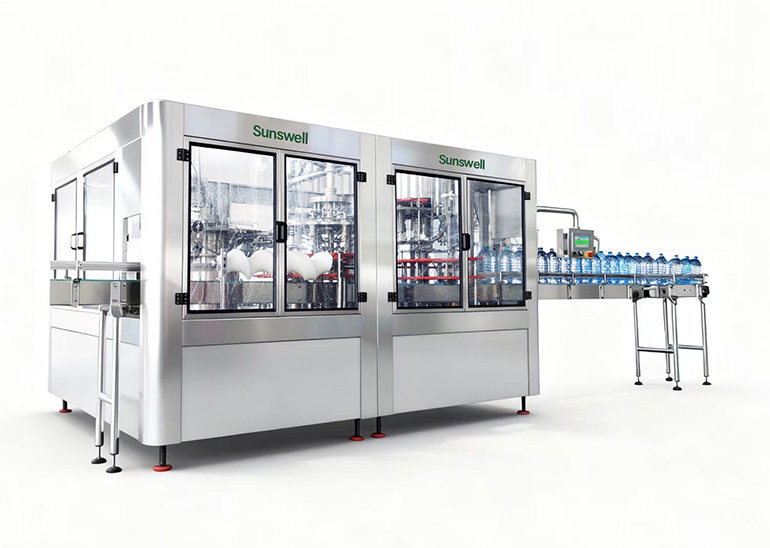
Typical capacity bands for still water: 12,000–48,000 BPH at 0.2–2 L, 3,000–12,000 BPH at 3–7 L and 2,000–6,000 BPH at 7–16 L. If your plan includes both retail and home-and-office formats, treat them as two lines in the budget rather than assuming one machine will cover both well. Detail in combiblock for still water.
4. Utilities and the Kazakh climate
Utilities are where projects in this region most often lose output that the equipment was perfectly capable of delivering.
4.1 Compressed air
Blowing air is the largest utility cost in PET production and its quality determines bottle quality. The requirement is dry, oil-free air at the machine tie-in point — not merely at the compressor outlet. Under-specifying the dryer is a false economy that shows up as wall thickness defects.
4.2 Electrical supply
Confirm voltage, frequency, phases and earth resistance at the site, and log voltage over a full shift rather than taking a single reading. Unstable supply causes random drive faults that are difficult to diagnose later and easy to design around in advance with the right protection and, where needed, stabilisation.
4.3 Winter
Kazakh winters are severe. Water lines, compressed air lines with condensate, and outdoor utility runs all need freeze protection. Unheated warehouse space holding PET preforms and caps affects material behaviour, and a cold building slows both production and people. Heating is a design decision, not a running adjustment.
Do not store electrical cabinets outdoors while the building is finished. If equipment arrives before civil works are complete — which happens — arrange dry, covered storage. Humidity and freeze-thaw cycling damage drives and PLCs, and the damage is often invisible until commissioning.
5. Import, certification and logistics
5.1 EAC/EAEU conformity
Kazakhstan is a member of the Eurasian Economic Union, and machinery entering the market requires conformity documentation under the applicable technical regulations. Settle this in the contract before manufacturing, agree who prepares which documents, and confirm the certification body. The requirement set is covered in EAC certification for beverage machinery imported into Kazakhstan.
5.2 Transport routes
| Route | Character | Watch |
|---|---|---|
| Rail from China | Common and generally fastest for this corridor | Border formalities and wagon availability in peak periods |
| Sea plus road | Sea to a regional port, then road haulage | Two handling stages; more opportunity for crate damage |
| Road direct | Used for smaller consignments | Crate dimensions and weights against route restrictions |
5.3 Document accuracy
Delays at this border are administrative far more often than physical. Commercial invoice, packing list, certificate of origin, transport document and conformity certificates must agree with each other exactly. A discrepancy between the packing list and the invoice is enough to hold a consignment while it is resolved.
6. Realistic project timeline
| Phase | Duration | Runs in parallel with |
|---|---|---|
| Water analysis and site selection | 4–8 weeks | Market and volume planning |
| Permits and land formalities | Varies widely | Equipment specification |
| Equipment specification and supplier selection | 4–8 weeks | Permit process |
| Manufacturing | 90–120 days | Civil works and building |
| FAT | 3–7 days | Final site preparation |
| Transport and customs | 4–8 weeks | Utility installation |
| Installation and commissioning | 15–30 days | Operator recruitment and training |
| Ramp to steady production | 2–6 weeks | Distribution build-out |
The single largest schedule saving available is running civil works in parallel with manufacturing. Buyers who wait for the equipment to ship before starting the building add three to four months to the project for no benefit.
7. Mistakes specific to this market
- Choosing equipment before the water analysis. Treatment scope follows the analysis, and it can rival the filling line in cost.
- Sizing on annual average demand. Seasonality here is pronounced; the plant must serve the peak.
- Underestimating winter. Freeze protection, building heating and material storage conditions belong in the design.
- Treating EAC as a shipping formality. It is a contract-stage decision with manufacturing implications.
- Leaving out the air dryer. The most common cause of bottle quality complaints on lines that are otherwise correctly specified.
- No spare parts on site. Distances are long and borders are slow. A stocked wear-part kit converts a three-week stoppage into a two-hour one; see spare parts strategy.
- Recruiting operators after the engineers arrive. Training runs during commissioning, on the moving line. Staff must be in place before travel is booked.
Sunswell has delivered multiple lines into Kazakhstan across water, carbonated drinks and juice, including a multi-line turnkey programme, and maintains engineer deployment capability in the region. Reference contacts in-market can be provided during evaluation — and calling them is worth more than any brochure.
Frequently asked questions
What equipment does a bottled water plant in Kazakhstan need?
Water treatment sized to your source, a blow-fill-cap combiblock or separate blower plus filler, labelling, coding, shrink packing and palletising, plus utilities — compressed air generation with drying, power distribution and drainage. Treatment scope depends entirely on a water analysis, which should be the first document you commission.
What certification is required to import machinery into Kazakhstan?
EAC/EAEU conformity documentation under the Eurasian Economic Union technical regulations. It should be agreed at contract stage, because retrofitting compliance to a completed machine is slow and expensive. See EAC certification for beverage machinery.
How does equipment reach Kazakhstan from China?
Rail is the common route and generally the fastest; sea freight to a nearby port with onward road transport is the alternative. Both cross borders, so document accuracy matters more than transport mode. Build customs time into the schedule rather than hoping for the best case.
How long does the whole project take?
Budget 8–14 months from decision to steady production: water analysis and site selection, permits, equipment manufacturing at 90–120 days, transport and customs, civil works in parallel, then installation and commissioning at 15–30 days.
What line size makes sense for a regional Kazakh market?
It depends on your distribution reach and season. Kazakhstan has strong summer seasonality, so size on peak-month demand and realistic efficiency rather than annual average. Over-sizing ties up capital; under-sizing loses the season you built the plant for.
Do you have customers in Kazakhstan?
Yes. Sunswell has supplied multiple lines to Kazakhstan customers, including a multi-line turnkey programme covering water, carbonated drinks and juice across bottling and canning formats. Reference contacts can be provided on request.
Is Russian documentation available?
Yes. English is standard; Russian technical documentation is available for Central Asian projects and should be specified in the contract along with training language.
What are the main utility risks in Kazakhstan?
Voltage stability in some industrial areas, winter temperatures affecting unheated buildings and outdoor utility runs, and compressed air quality where the air system is under-specified. All three are solvable at design stage and expensive to fix afterwards.
About the author
Written by the Sunswell engineering team — led by Howie SUN, Founder & CEO, with 14 years in filling and blow-moulding equipment R&D and turnkey project delivery across 71+ countries.
Last reviewed: 2026-08-06 · Reviewed by Sunswell engineering team
Ask our engineering team →Recommend Products
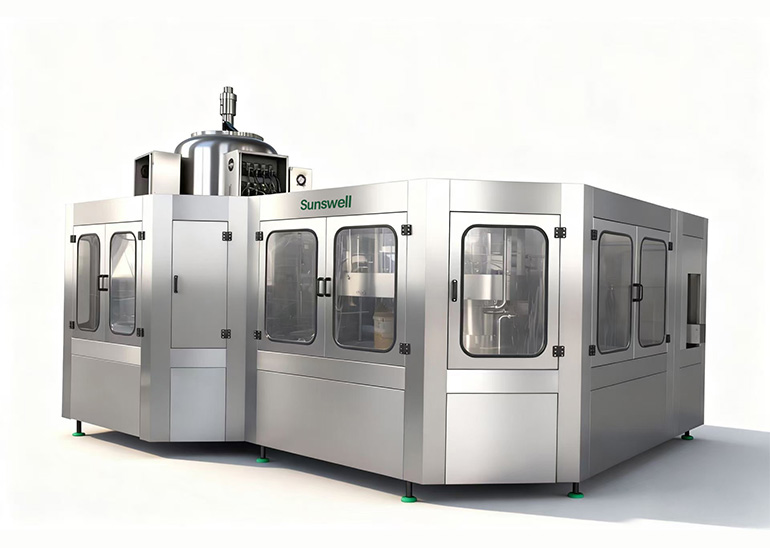
Project references
-
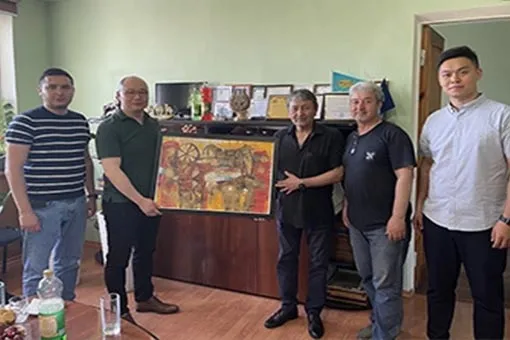
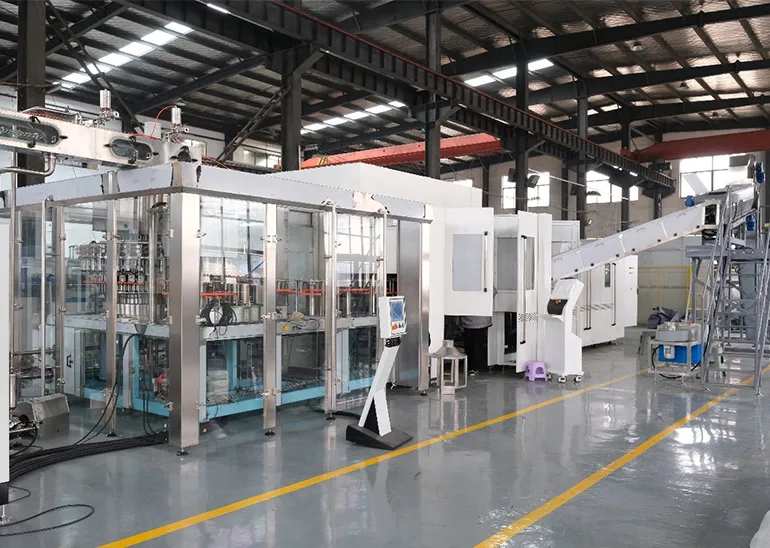
Vizit, 12,000BPH 1L Bottling Line with Combiblock for CSD, Kazakhstan
Country: Kazakhstan
Product: PET Bottled Carbonated Soft Drinks
Capacity: 12000BPH (1L)
Solution:Carbonated Drinks Production Line
Read More + -
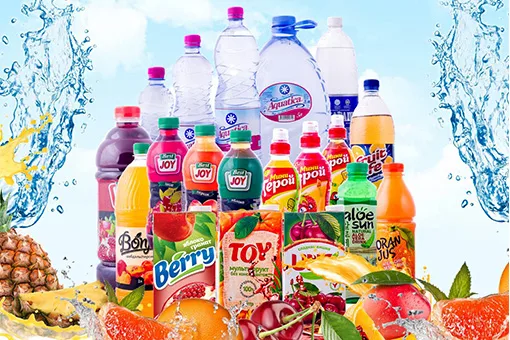
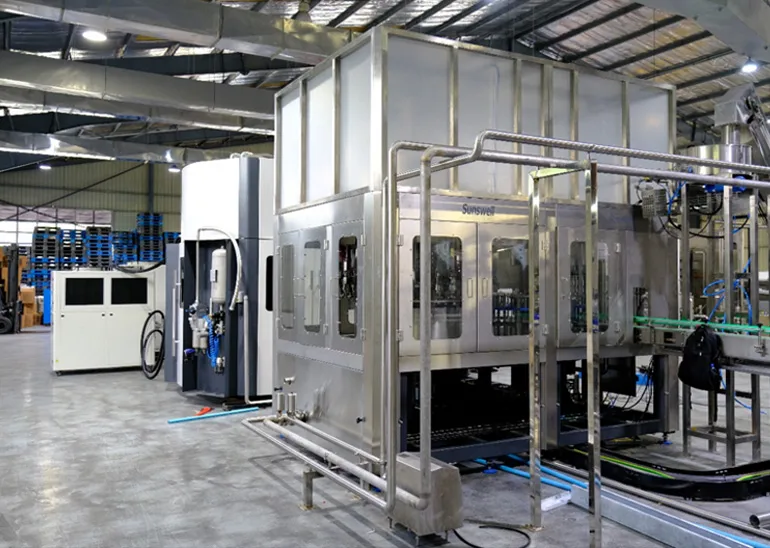
Rauan, 8 Sets of Bottlingand Canning Lines from 12,000-24,000BPH for Water, CSD and Juice, Kazakhstan
Country:Kazakhstan
Product: PET Bottled Sparkling Water, Canned Soft Drink, Canned Tea
Capacity: 25000CPH (250ml)
Solution:Three Lines,7000BPH(1.5L), 15000CPH(330ml),15000CPH(450ml)
Read More +
Have a specific project in mind?
Tell us product, target BPH, bottle sizes and market. We reply with a draft layout, equipment list and lead time estimate.
Fill the inquiry form ↑