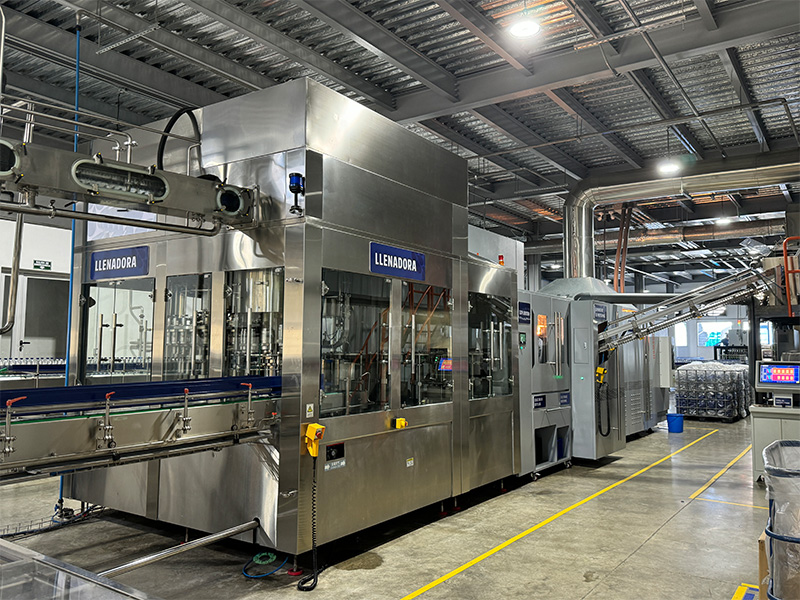
The right technology and commercial decisions decide whether a beverage filling machine line runs compliantly, efficiently and profitably. In this guide Sunswell breaks down Second-Hand vs New Filling Lines for B2B buyers planning or upgrading a production line.
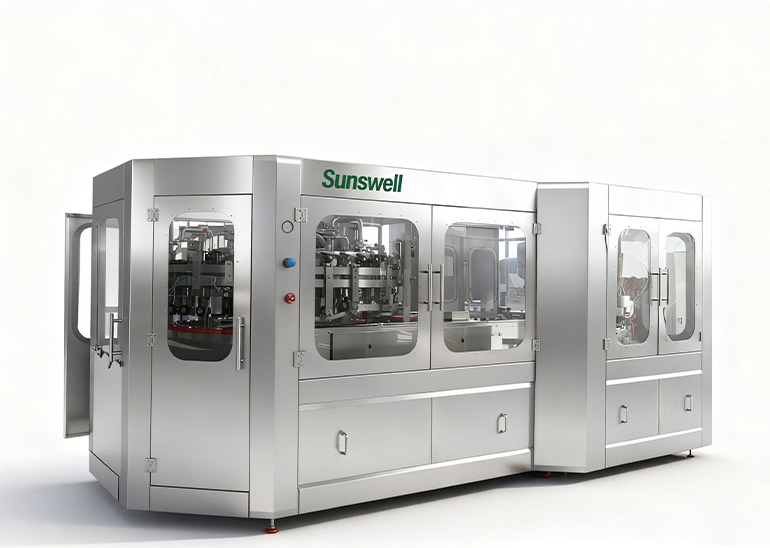
Buying a filling machine used can save capital — or bury you in downtime. This guide weighs second-hand vs new so B2B buyers make a risk-aware call, whether for a Combiblock or a single filler.
Used lines cost less upfront but carry wear, unknown history and weak support. New lines cost more but bring warranty, efficiency and spares. The gap is reliability.
Worn valves, stale controls and no FAT record can erase savings; a water filling machine bought blind may need a rebuild.
| Factor | Used | New |
|---|---|---|
| CAPEX | Low | High |
| Risk | Higher | Lower |
| Support | Weak | Strong |
| Efficiency | Older | Modern |
Only consider used from a known source with records and a refurb option; for a CSD filling machine, verify valves and controls. New is safer for a first Juice Filling Machines line.
Yes — refurbished with warranty narrows the risk gap versus blind used on the filling machine.
First line, food-safe products, or where downtime cost exceeds savings.
Choose new or refurbished wisely with Sunswell.



 +86 13921964455
 [email protected]

A2 Dongjiu Industrial Park, 30 East Jintang Road, Tangshi, Zhangjiagang, Jiangsu 215600, China