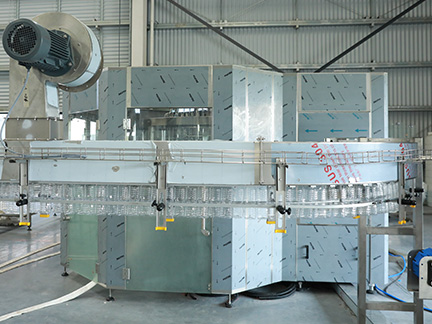
The right technology and commercial decisions decide whether a beverage filling machine line runs compliantly, efficiently and profitably. In this guide Sunswell breaks down Cost Comparison for B2B buyers planning or upgrading a production line.
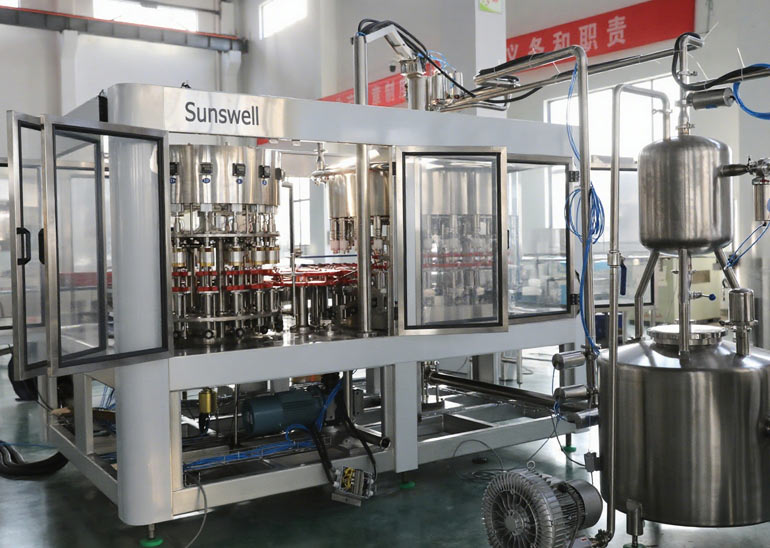
PET, glass and can each carry a different filling machine investment profile. The container you choose decides CAPEX, OPEX and shelf life. This guide compares the three lines, from a PE bottle filling machine to canning.
PET is lowest CAPEX and lightest freight; glass is premium but heavy and fragile; can is mid-high CAPEX with best shelf life and recycle-ability. The right pick follows your market.
Glass adds breakage and cushioning cost; cans need a dedicated aluminum can filling machine; PET needs decontamination on the glass bottle filling machine alternative scope.
| Container | CAPEX | Freight | Shelf life |
|---|---|---|---|
| PET | Lower | Low | Good |
| Glass | Mid | High | Long |
| Can | Mid-high | Low | Long |
Value SKUs → PET; premium → glass; shelf-stable mainstream → can. A Combiblock can flex across PET and can as demand shifts.
With changeover and validated CIP, PET and can often share a base; glass usually needs its own gentle handling on the filling machine.
PET and can beat glass on freight weight and breakage.
Choose the right container line with Sunswell.



 +86 13921964455
 [email protected]

A2 Dongjiu Industrial Park, 30 East Jintang Road, Tangshi, Zhangjiagang, Jiangsu 215600, China