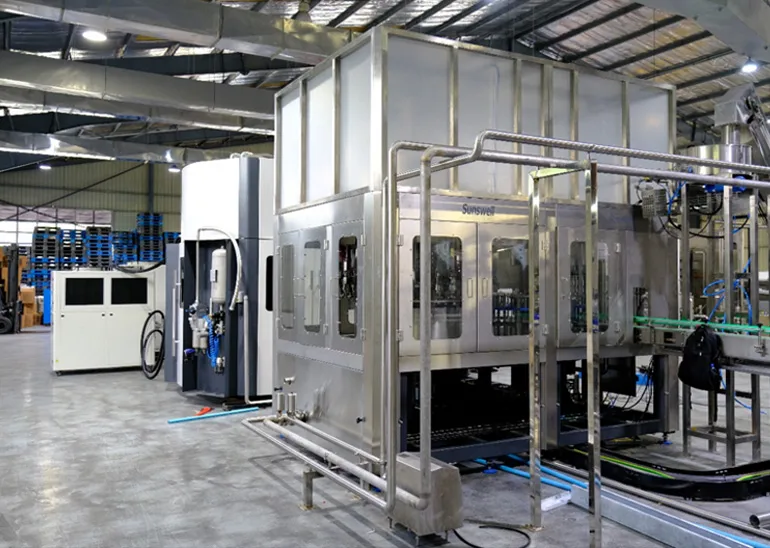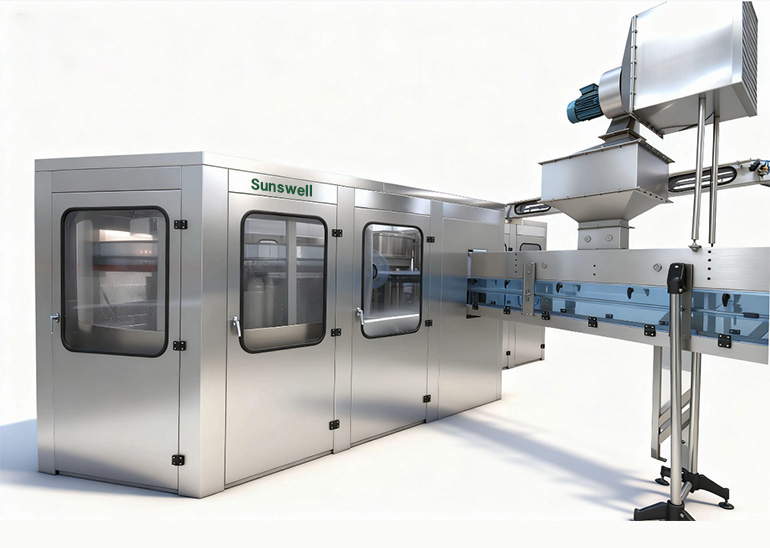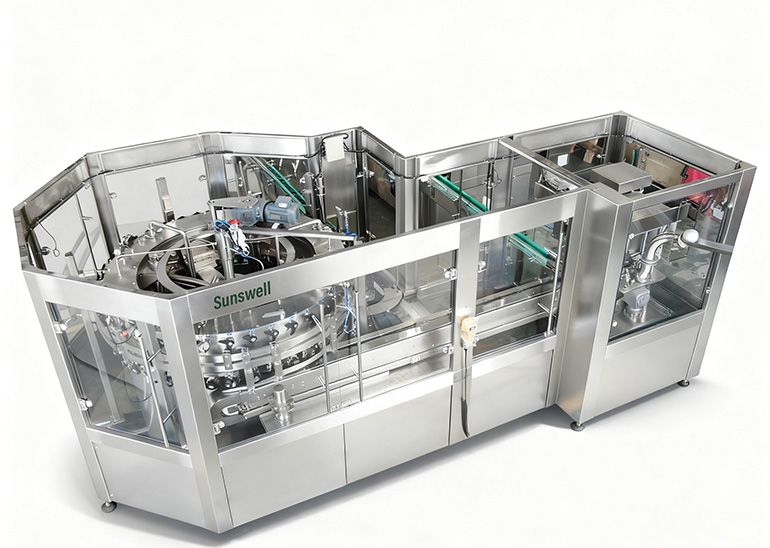
For any beverage producer planning to import a Combiblock (3-in-1 rinsing–filling–capping monoblock) into the European Economic Area, CE marking is not optional—it is a legal precondition for placing the machine on the market. Yet many buyers from China underestimate the documentation and design work involved, discovering gaps only at customs or during the EU customer's audit. This guide explains what CE compliance actually requires for a Combiblock and how to verify your supplier delivers it.
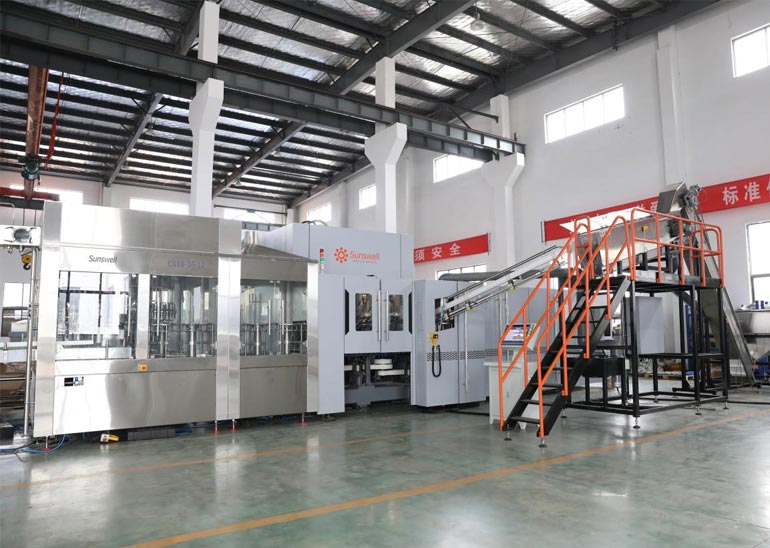
A Combiblock is a complex machine, so conformity is built from several directives:
CE marking is evidence-based. Your supplier must compile and hand over a technical file including:
Rotary Combiblocks run at 12,000–36,000 BPH, so interlocked guarding, safety-rated doors, and emergency stops on each station are mandatory. The capping torque station and transfer star-wheels need protected access.
Product zones must be cleanable and drained; dead-legs in the filling bowl should follow 3-A / EHEDG principles. This is also where CIP integration matters for audit readiness.
For most Combiblocks, the manufacturer can self-declare under the Machinery Directive. However, if a relevant harmonized standard is not fully applied, or PED applies above thresholds, a Notified Body involvement may be required. Ask your supplier which path your specific line takes and request the certificate.
A generic DoC that does not list your configuration is not valid. Insist on a machine-specific document.
CSD-capable Combiblocks with pressurized carbonators often trigger PED. Clarify early to avoid rework.
EU customers may require manuals and labels in local languages; build this into the contract.
Sunswell holds ISO 9001, CE, and SGS credentials and has shipped integrated lines to Europe, the Middle East, and Central Asia. Our engineering team prepares the full technical file and supports EU-customer audits—see our company profile for certifications.
A: Yes, for most Combiblocks under the Machinery Directive. The key is a valid, model-specific technical file and DoC—not the flag of origin.
A: The UK accepts CE marking (UKCA is the long-term local mark). Confirm current UK import rules at order time.
A: Typically 1–3 weeks if the supplier already has a certified platform; longer for customized lines needing fresh risk assessment.
Need a CE-ready Combiblock proposal? Talk to our export team for a documented quotation.



 +86 13921964455
 [email protected]

A2 Dongjiu Industrial Park, 30 East Jintang Road, Tangshi, Zhangjiagang, Jiangsu 215600, China