


Comparison · Still & Mineral Water
Still & Mineral Water — Comparing Machine Configurations and Price Levels
Three tiers, the factors that actually move a quotation, and a TCO framework you can fill in with your own tariffs.
3
Configuration tiers
2,000–48,000
BPH covered
444+
Lines delivered
71++
Countries exported
ISO/CE+
Certified · SGS audited
Short answer: Still water lines group into three tiers. Economy: 2,000–6,000 BPH, separate blowing, gravity or mechanical valves, manual handling. Mainstream: 12,000–24,000 BPH, combiblock, semi-electric or volumetric filling, automatic preform feeding. High-speed: 24,000–48,000 BPH blow-fill-cap block with robotic palletising. Price scales mainly with capacity, number of blowing cavities and level of automation.
🎯 Key takeaways
- Three tiers describe fit, not quality — a high-speed block running six hours a day is a worse buy than an economy line on three shifts
- Price scales mainly with capacity, blowing cavities and automation level, then material grade and downstream scope
- Electricity is the largest running cost, and high-pressure blowing air is the largest item within it
- 316L belongs on the ozone contact path and high-chloride water; 304 is normal practice elsewhere
- Normalise scope before comparing price — treatment, air drying, format parts and commissioning are the usual omissions
- Changeover time belongs in the cost model: level-based fillers are adjusted valve by valve, volumetric ones by recipe
On this page
- Why there is no single best
- Three tiers compared
- Economy tier
- Mainstream tier
- High-speed tier
- What drives price
- TCO framework
- Comparison mistakes
- FAQ
1. Why "which configuration is best" has no single answer
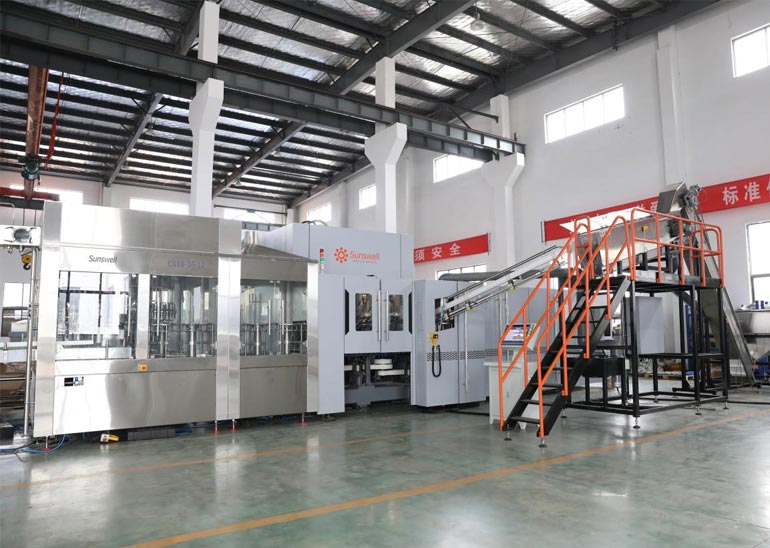
Buyers comparing water lines usually receive quotations that differ by a large factor and cannot see why. The machines look similar in the photographs and the stated output is the same. The difference is almost never quality in the abstract; it is scope, automation level, valve count and material specification, and each of those is a deliberate choice that suits some plants and wastes money in others.
This page groups water line configurations into three tiers — economy, mainstream and high-speed — and compares them on the variables that actually move price and running cost. Selection by capacity, bottle format and valve type is handled separately in the water machine selection guide (full guide).
No prices appear on this page, and that is deliberate. A figure quoted without a defined scope is worse than no figure, because it becomes the benchmark against which complete quotations look expensive. What follows is the structure of the cost, so you can read a quotation properly. Send bottle drawings, format mix and target output and ask for a written quotation against a stated scope.
2. The three configuration tiers side by side
| Economy | Mainstream | High-speed | |
|---|---|---|---|
| Typical output | 2,000 – 6,000 BPH | 12,000 – 24,000 BPH | 24,000 – 48,000 BPH |
| Architecture | Separate blower plus rinser-filler-capper | Combiblock, or separate machines where formats vary | Blow-fill-cap combiblock (P009) |
| Filling valves | 6 – 16 | 16 – 40 | 40 – 80 |
| Blowing cavities | 1 – 4 | 6 – 16 | 18 – 32 |
| Filling principle | Gravity or mechanical (P015, P012) | Semi-electric or volumetric (P010, P011) | Volumetric or high-speed semi-electric (P014, P009) |
| Control system | International brand PLC, basic HMI, local operation | International brand PLC and colour HMI, recipe management, fault logging | International brand PLC, line-level control, remote diagnostics, data logging |
| Contact-part material | 304 stainless steel | 304 with 316L where the water analysis requires it | 316L for product contact, 304 for structure |
| Preform feeding | Manual loading into the hopper | Automatic elevator and unscrambler | Automatic bulk feeding with level control |
| Palletising | Manual | Semi-automatic or entry-level robotic | Robotic |
| Format changeover | Longest — mechanical valve adjustment per size | Moderate — mould plus format parts, recipe targets | Shortest per size, but more format parts to manage |
| Spare part cost level | Lowest — fewer instruments, simpler valves | Moderate | Highest — more valves, more sensors, more drives |
| Operators at the filling stage | 2 – 3 including manual handling | 1 – 2 | 1 |
Read the table by column, not by row. Each column is internally consistent: an economy line with robotic palletising is unbalanced, and so is a high-speed block feeding a manual packing station that cannot keep up with it.
3. Economy tier — where it is the right answer
The economy configuration is not a compromised version of a better machine. It is the correct specification for a plant whose constraint is capital rather than labour.
- Regional producer, one or two formats, one or two shifts. Idle capacity is the enemy at this scale; a smaller line running full shifts beats a larger one running half.
- Labour is available and inexpensive. Manual preform loading and manual palletising remove capital from the project and add positions you can afford.
- Maintenance depth is a mechanical fitter. Gravity and mechanical valves are diagnosed and repaired with mechanical skills and a seal kit.
- Large formats. Most 3–16 L production sits in this output band by physics, not by budget — a 15 L bottle takes tens of seconds to fill.
What you accept in exchange is longer changeovers, heavier bottles because the air conveyor demands stiffness, more floor area for the same output, and level-based fill accuracy that tracks bottle volume scatter. For plain water sold by nominal volume in a price-sensitive market, none of those is disqualifying.
4. Mainstream tier — the volume of the market
Most water projects land here, and the reason is the shape of the cost curve rather than fashion. Between 12,000 and 24,000 BPH the resin saving from neck-handled bottle transfer and the payroll saving from fewer operators both become large enough to carry an integrated block, while the format count is still low enough that mould and format part cost stays manageable.
4.1 What the extra money buys over economy
- Recipe-driven format handling. Volumetric or semi-electric filling turns per-valve mechanical adjustment into a recipe entry, which is the difference between a changeover measured in shifts and one measured in hours.
- Lower bottle weight. Inside a block the bottle is neck-handled from mould to capper and never rides a rail, so the stiffness allowance for conveyor travel can be reduced. On high annual volumes this is the largest single saving.
- Fault visibility. A colour HMI with fault logging turns "the line stopped again" into a ranked list of causes, which is what makes a maintenance programme possible.
- Fewer operators at the block. One control system, one machine, one operator, with the remaining people downstream where the work actually is.
4.2 Where mainstream plants overspend
Two items recur. The first is buying load cell filling for small-format commodity water, where the accuracy has no commercial value on the product margin. The second is specifying 316L throughout when the water analysis does not call for it — 316L belongs on the ozone contact path and on high-chloride water, not automatically on every surface. Both decisions are easier to make correctly with a water analysis and a giveaway calculation in front of you.
5. High-speed tier — and the conditions it needs
Above roughly 24,000 BPH the machine stops being the whole problem. A high-speed block imposes conditions on everything around it, and plants that meet those conditions run very well while plants that do not spend their year chasing stoppages.
- Stable format mix. High-speed economics assume long runs. Frequent changeovers erase the speed advantage.
- Consistent preforms and caps. At 40,000 BPH a marginal cap batch produces a fault rate that a slower line would absorb without noticing. Qualify two suppliers and test before committing a run.
- Compressed air capacity and quality at full load. Blowing air demand scales directly with output; air that is dry at the compressor but wet at the machine produces wall defects.
- Downstream capacity that matches. Labelling, shrink packing and palletising must all sustain the block's rate, or the block idles behind them.
- Maintenance discipline. More valves and more drives mean more scheduled work; a planned maintenance programme is not optional at this speed.
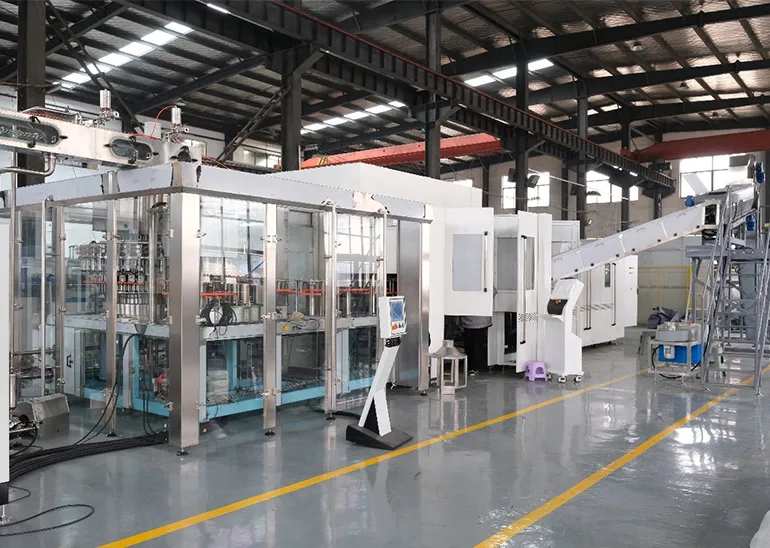
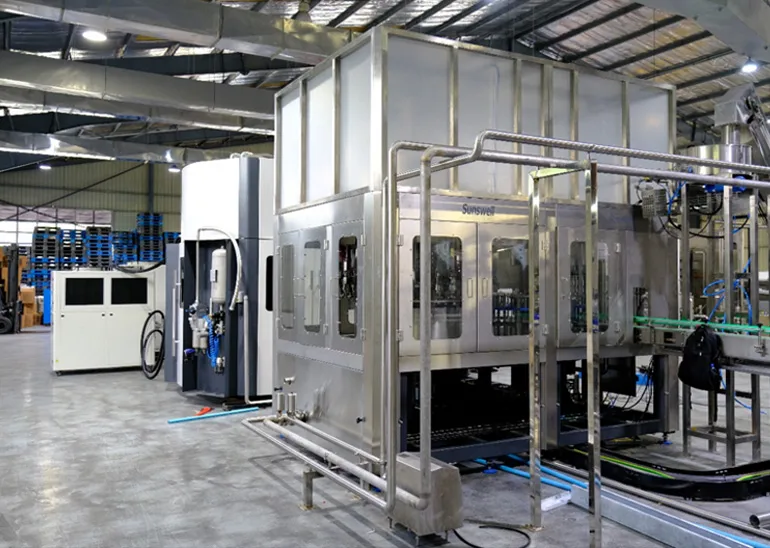
The corresponding block configurations are described in combiblock for still and mineral water.
6. What actually drives price
Price scales mainly with capacity, number of blowing cavities and level of automation. Below that headline, the factors that move a quotation are consistent across the market, and they are worth checking one by one when comparisons do not add up.
| Factor | Direction | Why it moves the number |
|---|---|---|
| Rated output | Strong | Drives valve count, cavity count, drive sizes and frame |
| Blowing cavities | Strong | Moulds, clamping units and heating oven length scale with cavity count |
| Automation level | Strong | Preform feeding, palletising and line-level control each add equipment and integration |
| Filling principle | Moderate | Flow meters and load cells add instrumentation per valve; gravity adds almost none |
| Contact-part material | Moderate | 316L costs more than 304 and matters where ozone or chloride is present |
| Number of bottle formats | Moderate | Moulds and format parts are manufactured and priced per size |
| Downstream scope | Strong | Labelling, coding, shrink packing and palletising can rival the filler in value |
| Water treatment scope | Strong | Sized from the water analysis; an RO train is a substantial line item |
| Utilities scope | Moderate | Compressor, air dryer, filtration and chillers where required |
| Installation and training | Moderate | Engineer days on site, travel and the length of the training programme |
Compare scope before comparing price. Build a single scope list, send it to every supplier, and require each quotation to answer it line by line including exclusions. Most apparent price gaps between water line quotations close once treatment, compressed air, format parts and commissioning are on the same basis. Quotations are available on request against your bottle drawings and format mix.
7. Total cost of ownership — an estimating framework
The purchase price is one term in a longer expression. The framework below is for building your own estimate; the weightings are typical rather than measured, and every figure should be replaced with your own tariff, wage and volume data before any decision rests on it.
| Cost element | Typical weight over ten years | What controls it |
|---|---|---|
| Capital, installed | Significant but not dominant | Capacity, cavities, automation, material grade, downstream scope |
| Electricity | Usually the largest running item | High-pressure air for blowing dominates; then chilling, drives and utilities |
| Water | Moderate | RO reject ratio, rinser water use, CIP volumes and recovery |
| Labour | Moderate to high | Operators per shift, shifts per day, and local wage level |
| Consumables | Moderate | Caps, labels, film, glue, filter cartridges and CIP chemicals |
| Spare and wear parts | Moderate | Valve count, seal kits, instrument replacement, and how many spares you hold |
| Unplanned downtime | Variable, often underestimated | Part availability, maintenance skill and preform and cap consistency |
| Changeover time | Variable | Filling principle, number of formats, and format part design |
7.1 Why blowing air dominates the energy bill
Stretch blow moulding uses high-pressure air to form the bottle, and generating that air is the largest electrical load on a PET water line. Two practical levers exist. Air recovery systems recycle part of the blowing air back to the low-pressure network for other uses, reducing net demand. And bottle lightweighting reduces both resin and the air needed to form the bottle. Both are worth evaluating at specification stage, when they are design choices, rather than after installation, when they are retrofits.
7.2 Building the estimate
Take your annual bottle count, your electricity tariff, your water tariff, your loaded hourly wage and your realistic operating hours. Apply them to each row above, over a ten-year horizon, and compare configurations on the total rather than on the invoice. A higher-automation line that removes two positions per shift across three shifts is a different proposition from the same line running one shift — the machine has not changed, the arithmetic has.
8. Five mistakes when comparing configurations
- Comparing quotations with different scope. The cheapest quotation is frequently the one that excluded treatment, air drying, format parts or commissioning. Normalise the scope first.
- Treating a tier as a quality ranking. Economy, mainstream and high-speed describe fit, not quality. A high-speed block in a plant that runs six hours a day is a worse purchase than an economy line that runs three shifts.
- Buying capacity for a market you do not yet have. Idle capacity carries installed power, floor area and a spare part inventory. Size for two years out and plan the layout for the next line.
- Specifying material grade by preference rather than analysis. 316L where ozone or chloride demands it; 304 elsewhere. The water analysis, not the brochure, decides.
- Ignoring changeover in the cost model. A plant with four formats and a level-based filler loses production time every week. That time belongs in the comparison alongside the purchase price.
Reference installations across these tiers include C002 Taza, operating four 12,000 BPH combiblock lines on 1.5 L bottles, and C005 Rauan, with eight bottling and canning lines from 12,000 to 24,000 BPH. Shorter operational questions are collected in the still and mineral water FAQ, and capacity selection across the whole product range is in combiblock capacity selection.
Frequently asked questions
Which still water machine configuration is best?
There is no single best configuration. An economy line is correct for a regional producer running one format at 4,000–6,000 BPH; a mainstream line suits 12,000–24,000 BPH with two or three formats; a high-speed line only earns its cost above roughly 24,000 BPH with a stable size mix and two or three shifts.
How much does a water bottling line cost?
Price scales mainly with capacity, number of blowing cavities and level of automation, then with contact-part material and downstream packaging. Published figures are misleading because scope differs so widely between quotations. Send bottle drawings, format mix and target output and request a written quotation against a defined scope.
Is 316L stainless steel worth the extra cost?
For product contact parts on an ozonated or high-chloride water line, yes. For a plain water line with low chloride and UV disinfection, 304 contact parts are normal practice. Decide from the water analysis rather than from a general preference for the higher grade.
Does higher automation always reduce cost per bottle?
Only where labour is expensive or scarce and the line runs enough hours. Automatic preform feeding and robotic palletising remove positions across three shifts; on a single-shift line the same equipment adds capital and maintenance without removing much payroll.
What are the largest running costs on a water line?
Electricity dominates, and within it the high-pressure air for blowing is the largest single item. Then treated water losses, labour, consumables such as film and caps, spare parts and the cost of unplanned downtime. Resin is normally accounted separately as a material cost.
How long does a format changeover take?
On a level-based filler with mechanical adjustment, expect a long changeover because every valve is set individually. On a volumetric filler with recipe-driven targets, the mould and format parts dominate the time. Ask each supplier for a changeover time on your actual size pair, in writing.
Can I upgrade an economy line later?
Some things yes, some no. Downstream automation, labelling and palletising can be added. Filling valve count, blowing cavity count and the filling principle are fixed at build, so buying a carousel with the intention of adding valves later is not a plan that works.
What should a quotation include beyond the machine?
About the author
Written by the Sunswell engineering team — led by Howie SUN, Founder & CEO, with 14 years in filling and blow-moulding equipment R&D and turnkey project delivery across 71+ countries.
Last reviewed: 2026-08-08 · Reviewed by Sunswell engineering team
Ask our engineering team →Recommend Products
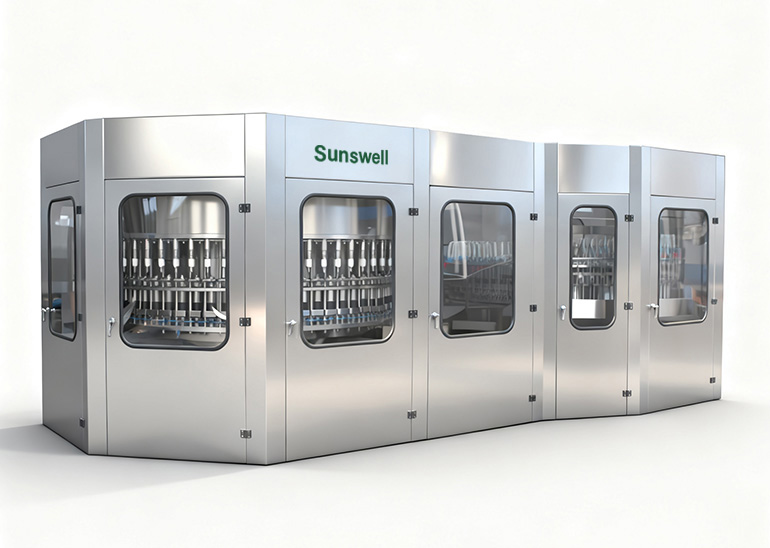
Project references
-
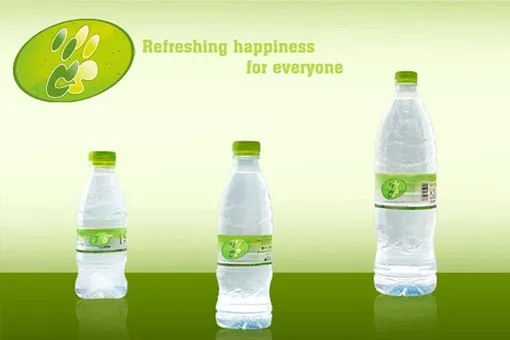
Taza, 4 Sets of 12,000BPH 1.5L Bottling Lines with Combiblock for Water, Maldives
Country: Maldives
Product: PET Bottled Mineralized Water
Capacity: 24,000BPH (500ml); 2 Lines
Solution:Water Production Line
Read More + -
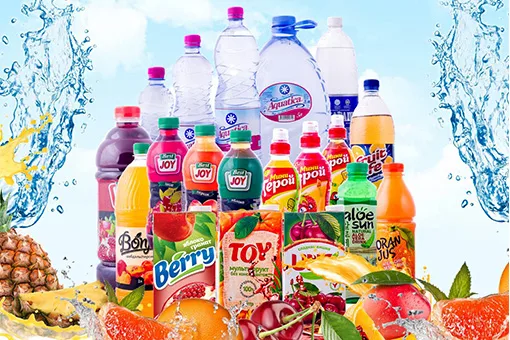
Rauan, 8 Sets of Bottlingand Canning Lines from 12,000-24,000BPH for Water, CSD and Juice, Kazakhstan
Country:Kazakhstan
Product: PET Bottled Sparkling Water, Canned Soft Drink, Canned Tea
Capacity: 25000CPH (250ml)
Solution:Three Lines,7000BPH(1.5L), 15000CPH(330ml),15000CPH(450ml)
Read More +
Have a specific project in mind?
Tell us product, target BPH, bottle sizes and market. We reply with a draft layout, equipment list and lead time estimate.
Fill the inquiry form ↑