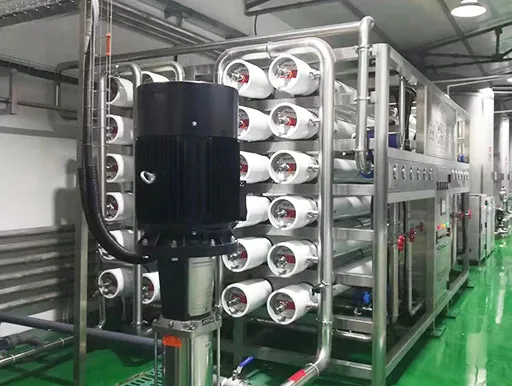
The right technology and commercial decisions decide whether a beverage filling machine line runs compliantly, efficiently and profitably. In this guide Sunswell breaks down SGS Third-Party Inspection for Filling Machines for B2B buyers planning or upgrading a production line.
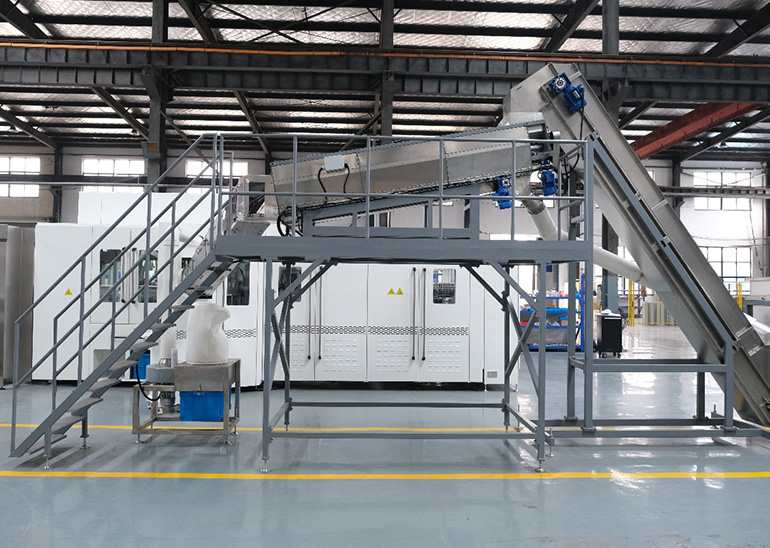
Third-party inspection by SGS (or an equivalent body) is the buyer's safety net when importing a filling machine from overseas. It turns "trust me" into documented evidence of build quality and FAT results. This guide lists what to prepare so the SGS visit on your Combiblock goes smoothly.
Inspectors verify materials, weld quality, electrical safety, running performance and conformity to the contract spec. For a water filling machine they may run a water trial; for CSD/juice they check fill accuracy and hygiene.
FAT (factory acceptance, pre-shipment), loading supervision (container pack), and occasionally destination inspection. Most buyers need FAT + loading.
| Item | Prepare |
|---|---|
| Contract spec | Detailed technical appendix |
| Drawings / manuals | Approved versions |
| Test material | Bottles, caps, product, water |
| Utilities | Power, air, water at supplier |
| Acceptance criteria | BPH, fill tolerance, reject rate |
Have the line run at nameplate speed with your product so the SGS report reflects real performance of the CSD filling machine or juice line, not an idle demo.
Keep the signed report, photos and any non-conformance list; these protect you if disputes arise after the Juice Filling Machines arrive.
Usually the buyer, negotiated into the quote; it is cheap insurance versus a non-conforming filling machine.
No — SGS reports to you directly; use non-conformances as leverage to fix or discount before paying.
Inspect and secure your filling machine and Combiblock with Sunswell.



 +86 13921964455
 [email protected]

A2 Dongjiu Industrial Park, 30 East Jintang Road, Tangshi, Zhangjiagang, Jiangsu 215600, China