


FAQ · Kazakhstan
Kazakhstan Beverage Equipment FAQ
Short, direct answers to the questions buyers in Kazakhstan ask before ordering a beverage line — certification, payment, delivery, installation and after-sales. If the question is about a specific machine model, the answer starts the same way: send the bottle drawing and the target output.
71+
Countries exported
8
Lines, one KZ plant
444+
Lines delivered
20,000
m² workshop
2011
Sunswell founded
Short answer: Buying beverage equipment for Kazakhstan comes down to a short list of questions: EAC certification before shipment, a delivery time measured in weeks from China by rail or truck, installation with a technician on site, a first-year spare-parts kit, and payment terms agreed in the contract. Buyers who fix these five things in writing before order have a predictable project; buyers who leave them vague get surprises.
🎯 Key takeaways
- EAC certification must cover your exact model and be issued before shipment.
- Delivery from China to Kazakhstan is typically weeks, not months, once the line is built.
- Installation is one to two weeks with the supplier's technician, including training.
- A first-year spare-parts kit agreed at order is cheaper than air-freight later.
- Put response time, warranty and payment terms in the contract — not in conversation.
On this page
1. Certification and documents
EAC certification is the one document no supplier can skip for Kazakhstan. It is issued by an accredited body, covers the specific machine model, and is required for customs clearance. Ask for it with the proposal, not after order.
Export documents are standard: commercial invoice, packing list, bill of lading or CMR for rail/truck, and the EAC certificate. A supplier who ships to Kazakhstan regularly has these on file; a first-time exporter will learn on your project.
A certificate for a different model is not compliance for yours. Match the model number on the certificate to the machine in the order.
If you import under a free-trade or EAEU preference, check current duty rates with a customs broker before you commit to a price structure — tariffs change, and the contract should reflect the rate at shipment.
2. Delivery and lead time
Total time = build time + transit time. Build time is set by the machine (typically several weeks to a few months for a complete line); transit from China to Almaty or Astana by rail or truck is additional weeks. European suppliers add ocean freight and often a longer build slot.
Winter matters: frozen sections and border queues can add weeks between November and March. If commissioning has a hard date, plan the build so shipment leaves before the cold season.
3. Installation and commissioning
Installation is normally one to two weeks with the supplier's technician on site: mechanical assembly, utilities connection, dry run, product run and operator training. The buyer provides a prepared hall, utilities and labour; the supplier provides the technician and the procedure.
Commissioning ends with a performance run at the agreed output on the actual bottle. Put the acceptance criteria in the contract — rated BPH on the agreed format — so 'commissioned' has a definition.
4. Payment terms
T/T is the common structure for machinery from China: a deposit with the order, a payment at FAT or before shipment, and the balance after installation or on agreed milestones. L/C is used for larger projects. Whatever the split, tie payments to documents and events — FAT report, loading, arrival — so both sides can see the project advancing.
Do not pay the full balance before the line runs at the agreed output. The last payment is the only control you have after shipment, and it should stay with you until acceptance.
5. Spare parts and warranty
Warranty is typically twelve months from commissioning or eighteen from shipment, whichever comes first, covering defects in materials and workmanship. Agree the list of exclusions in writing — wear parts, operator damage and consumables are normally outside.
Buy a first-year starter kit at order: sensors, seals, valves and belts for the highest-wear positions. It is cheaper than air-freighting a single sensor later, and it keeps the line running while the reorder channel is set up.
6. After-sales support
Ask three questions and get three written answers: how fast can you deliver a spare part, can a technician reach site, and what does remote support cover. Video diagnostics and a documented spare-parts catalogue cover most routine issues; a technician visit covers the rest.
Sunswell has delivered multiple projects in Kazakhstan — including an eight-line plant near Almaty — so the service pattern is established, not theoretical. The terms are still written into the contract.
7. Starting a project
Send the supplier five inputs: product and target output, bottle and closure drawing, hall layout and utilities, packaging scope, and certification requirements. Ask for a technical proposal with a layout drawing and a FAT plan. Then visit or video-audit the factory.
The same inputs drive a quote for a water filling machine, a CSD filling machine or a full combiblock — the market questions are identical; only the process differs.
Frequently asked questions
Do I need EAC certification to import a filling line to Kazakhstan?
Yes. The EAC mark is mandatory for machinery clearance. Verify the certificate covers the exact model and is issued before shipment.
How long does a line take from order to running?
Build time plus transit. From China by rail or truck, transit is typically weeks once built; total time is dominated by build and any winter delays. Get the commitment in writing.
What payment terms are normal?
T/T in stages — deposit with order, payment at FAT or before shipment, balance after installation. L/C for larger projects. Tie payments to documents and events, not dates alone.
What does installation include?
One to two weeks on site with the supplier's technician: assembly, utilities, dry run, product run and operator training. The buyer prepares the hall and utilities.
What spare parts should I order with the line?
A first-year starter kit: sensors, seals, valves, belts for high-wear positions. Cheaper than air-freighting later and agreed at order.
Can Sunswell support the line after commissioning?
Yes — Sunswell has multiple projects in Kazakhstan and provides spare parts, remote support and technician visits. Response-time terms are in the contract.
About the author
Written by the Sunswell engineering team — led by Howie SUN, Founder & CEO, with 14 years in filling and blow-moulding equipment R&D and turnkey project delivery across 71+ countries.
Last reviewed: 2026-08-28 · Reviewed by Sunswell engineering team
Ask our engineering team →Recommend Products
Project references
-
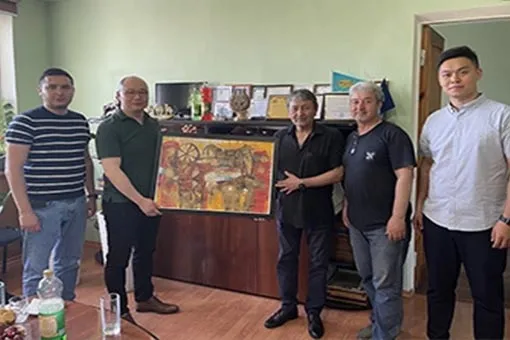
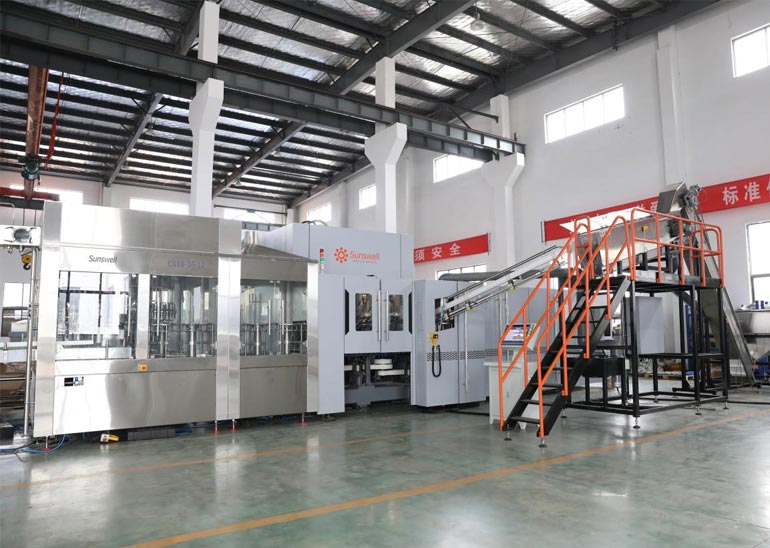
Vizit, 12,000BPH 1L Bottling Line with Combiblock for CSD, Kazakhstan
Country: Kazakhstan
Product: PET Bottled Carbonated Soft Drinks
Capacity: 12000BPH (1L)
Solution:Carbonated Drinks Production Line
Read More + -
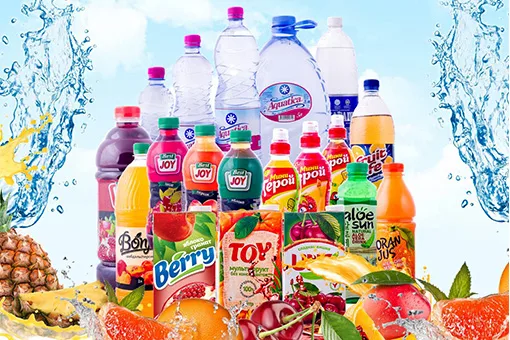
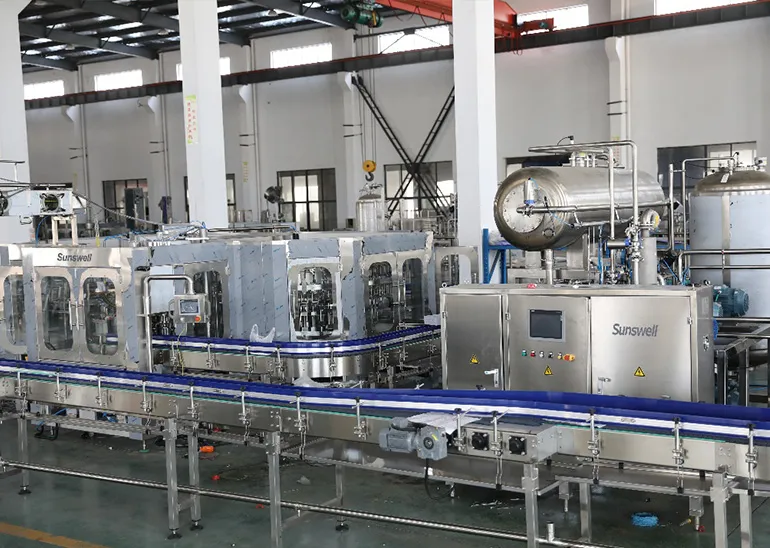
Rauan, 8 Sets of Bottlingand Canning Lines from 12,000-24,000BPH for Water, CSD and Juice, Kazakhstan
Country:Kazakhstan
Product: PET Bottled Sparkling Water, Canned Soft Drink, Canned Tea
Capacity: 25000CPH (250ml)
Solution:Three Lines,7000BPH(1.5L), 15000CPH(330ml),15000CPH(450ml)
Read More +
Have a specific project in mind?
Tell us product, target BPH, bottle sizes and market. We reply with a draft layout, equipment list and lead time estimate.
Fill the inquiry form ↑