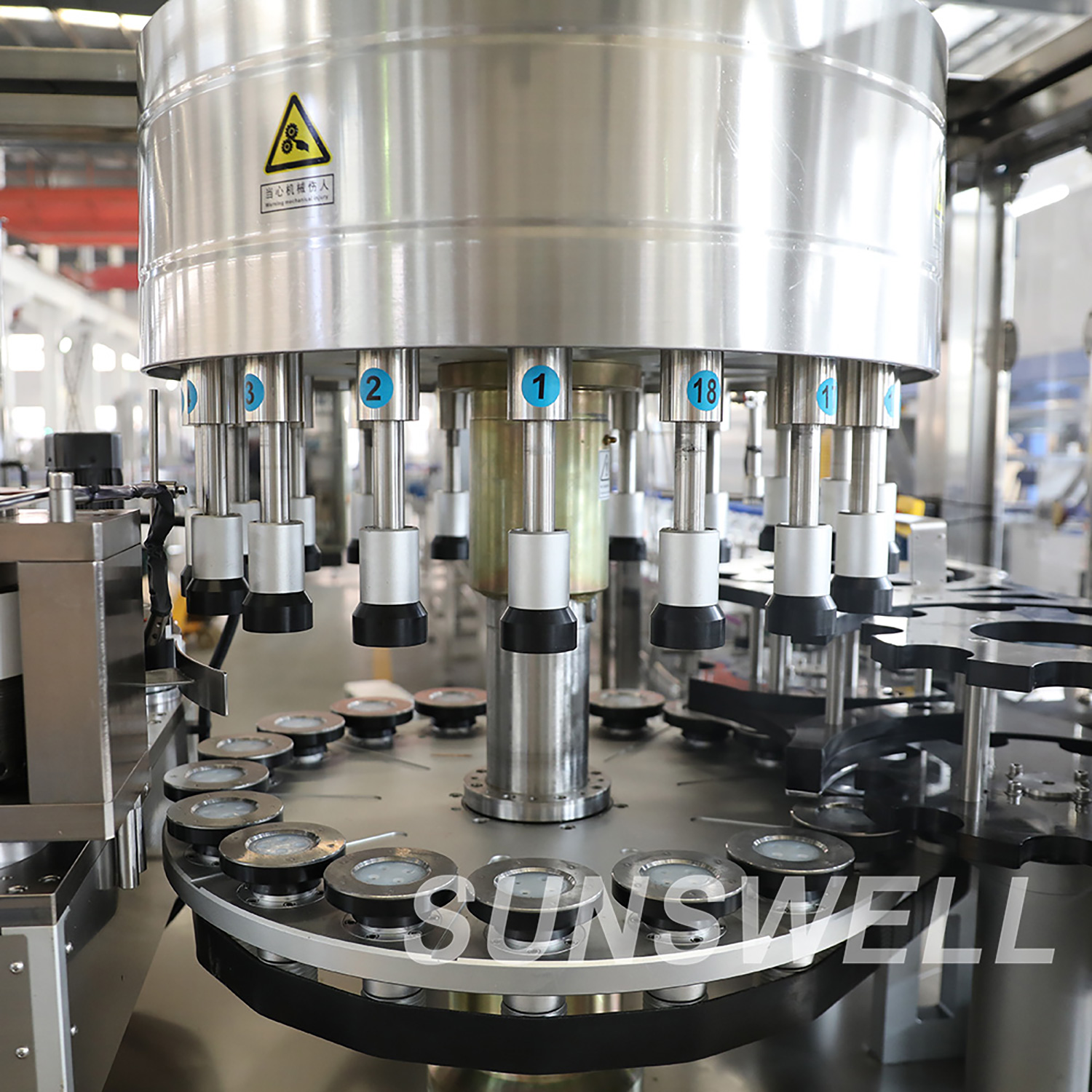
Sourcing Filling Line from China

Views: 32 Author: Site Editor Publish Time: Origin: Site

China is now the world's largest exporter of liquid packaging machinery, supplying everything from single fillers to complete turnkey beverage lines to buyers in Africa, Southeast Asia, the Middle East, and Latin America. Sourcing from China can cut CAPEX by 30–60% versus European brands—but only if the process is managed. This end-to-end guide covers the complete journey from shortlist to commissioning.
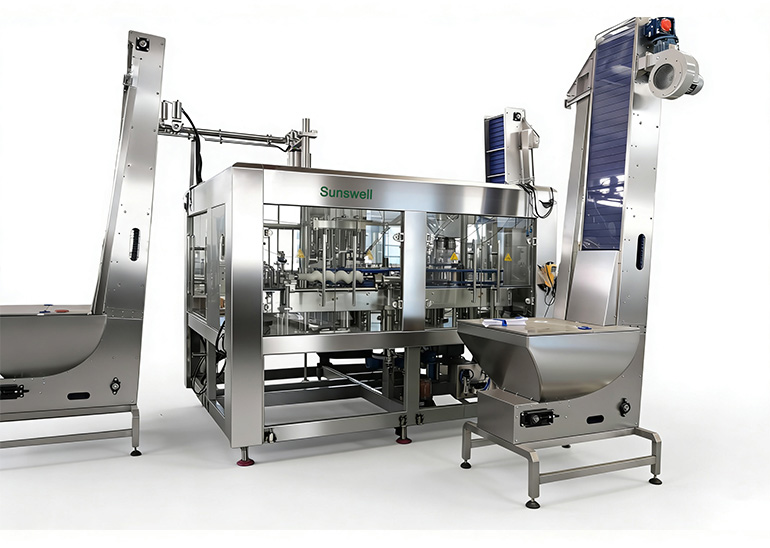
12,000 BPH 500ml Bottling Line for Liquid Vitamin Syrup – Sunswell

Phase 1: Define Requirements Precisely

Before contacting suppliers, lock down:

  • Product(s), package format(s), and target BPH/CPH.
  • Source water quality (for water lines) or recipe parameters.
  • Destination country certifications (CE, EAC, SONCAP, SASO, FDA).
  • Utilities available (power, air, water, steam).

Phase 2: Shortlist and Audit Suppliers

Don't choose on price alone. Use a factory audit checklist covering welding quality, machining, assembly discipline, test benches, and references. Cluster regions like Zhangjiagang concentrate dozens of qualified makers—visit several in one trip.

Phase 3: Specify the Contract

  • Technical appendix: exact models, materials (304/316L), motor brands, PLC.
  • FAT (Factory Acceptance Test): run on your product or surrogate, with agreed acceptance values.
  • Payment terms: common is 30% deposit, 70% against B/L or after FAT.
  • Warranty: typically 12 months from commissioning; define response time.

Phase 4: Factory Acceptance Test (FAT)

Witness or commission a third party to verify speed, fill accuracy (±0.5–1%), CIP effectiveness, and safety. This is your last chance to reject before shipment—see our service program.

Phase 5: Packing and Shipping

Machinery ships by FCL (full container) or break-bulk for oversized items. Require:

  • Export-grade fumigated crate / plastic wrap.
  • Moisture protection for controls.
  • Clear packing list and commercial invoice for customs.

Phase 6: Import Clearance

Each market differs:

  • Nigeria: SONCAP (PC + SC).
  • Kenya: PVoC.
  • GCC: SASO/ESMA certificates.
  • Russia/CIS: EAC.
  • USA: FDA alignment, customs entry.

Phase 7: Installation and Commissioning

Plan for 2–6 weeks depending on line complexity. Confirm whether the supplier sends engineers or supports local contractors remotely. Sunswell has commissioned lines in Kazakhstan (3 lines at once), the Maldives, Syria, and Turkey—see project references.

Phase 8: Spare Parts and Training

Stock critical spares locally and train operators during commissioning. A clear after-sales plan is as important as the machine price.

Risk Management Checklist

  • Never pay 100% upfront.
  • Bind acceptance to FAT, not just visual inspection.
  • Confirm certification documents are model-specific.
  • Get references in your region and product type.

Key Takeaways

  • China sourcing saves 30–60% CAPEX but needs disciplined process.
  • Audit suppliers; don't buy on price alone.
  • FAT is your last quality gate before shipment.
  • Pre-clear SONCAP/PVoC/EAC/SASO at contract stage.
  • Budget for commissioning, spares, and training.

Frequently Asked Questions

Q: Is Chinese equipment reliable enough for export markets?

A: Top-tier Chinese makers meet CE/EAC and run validated lines globally; the key is selecting and auditing the right supplier.

Q: What payment terms are normal?

A: 30% deposit, balance against shipping documents or post-FAT; avoid full prepayment.

Q: How long from order to production?

A: Typically 60–120 days manufacturing + 30–45 days shipping + 2–6 weeks commissioning.

Start with a supplier evaluation or request a turnkey quote.

×

Contact Us

captcha

*We respect your privacy. When you submit your contact information, we agree to only contact you in accordance with our Privacy Policy.

×

Inquire

*Name
*Email
Company Name
Phone/Whatsap
*Message

*We respect your privacy. When you submit your contact information, we agree to only contact you in accordance with our Privacy Policy.