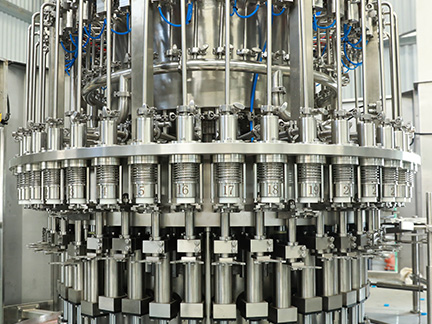
The right technology and commercial decisions decide whether a beverage filling machine line runs compliantly, efficiently and profitably. In this guide Sunswell breaks down Juice Production Line FAQ for B2B buyers planning or upgrading a production line.
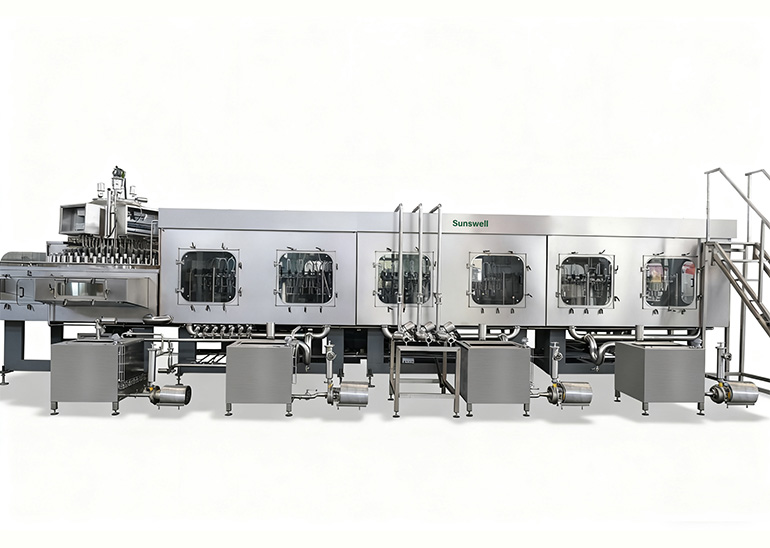
Juice lines raise more questions than most — pulp, heat, aseptic, shelf life. This FAQ answers the most common buyer questions about a Juice Filling Machines project, from fruit intake to sealed bottle, so you can specify the right Juice Production Line.
| Decision | Typical answer |
|---|---|
| Process | Hot-fill or aseptic by shelf-life goal |
| Pulp | Piston/ported filler for pulpy NFC |
| Capacity | 3k–24k+ BPH by market |
| Shelf life | Aseptic = ambient; hot-fill = ambient/chilled |
Aseptic keeps more flavour and allows ambient shelf life without preservatives; hot-fill is simpler and fine for many SKUs. A Aseptic Filling Machine for Juice suits premium NFC.
Use a piston or specially ported filler so pulp stays suspended and doesn't clog; pair with a Hot-Fill Filling Machine for Juice rated for particulates.
Most entrants begin 3,000–8,000 BPH and scale; size the Juice Filling Machines to confirmed demand.
Yes — NFC needs gentler, often aseptic processing to keep fresh character; concentrate lines are more forgiving.
Critical — juice is a growth medium; validated CIP plus a Pasteurizing Tunnel for hot-fill keep it safe.
Aseptic ambient often 6–12 months; hot-fill varies by recipe and storage. Validate per product.
For hot-fill yes (the tunnel); for aseptic you need UHT upstream. Both belong in the line design.
With a flexible Juice Filling Machines and validated cleaning, yes — plan utilities accordingly.
Build your Juice Filling Machines line with Sunswell.



 +86 13921964455
 [email protected]

A2 Dongjiu Industrial Park, 30 East Jintang Road, Tangshi, Zhangjiagang, Jiangsu 215600, China