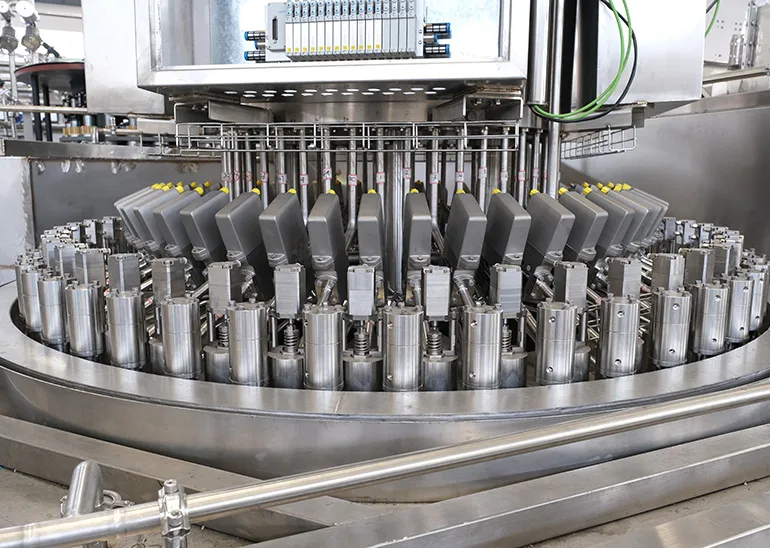
| Valve type | Hot-fill, up to 85 C |
| Rated output | 6,000-36,000 BPH at 0.2-2 L |
| Bottle | Heat-resistant PET geometry, or glass |
| Line | Hot-fill monobloc with tunnel pasteuriser |
| Products | Juice, tea, nectar, functional drinks |
| Key control | Fill temperature, hold time, cap seal |
Start from the symptom and work back to the mechanism, not from the part list. Most filling faults show up in three places: fill weight or level, closure integrity, and product condition. Which of the three moved first tells you whether the cause is mechanical, thermal or product-side.
Optimize the filling speed and pressure to minimize agitation and foam formation.
Hot filling does two jobs at once: it pasteurises the product on the way to the filler, and the residual heat sanitises the bottle and cap. That is why a hot-fill line can run an acidic juice without a separate bottle steriliser. The price is a heat-resistant bottle and a longer cooling tunnel.
One of the primary issues encountered in hotfill juice production lines is temperature fluctuation.
| Route | Temperature | What it costs |
|---|---|---|
| Hot fill | Up to 85 C | Heat-resistant bottle and a cooling tunnel |
| Cold fill with preservative | Ambient | Formulation constraint, not a machine constraint |
| Cold fill with in-line pasteuriser | Product-side only | Separate pasteuriser and a closed filling zone |
| Hot fill in glass | Up to 85 C | Glass mass, slower line, higher transport cost |
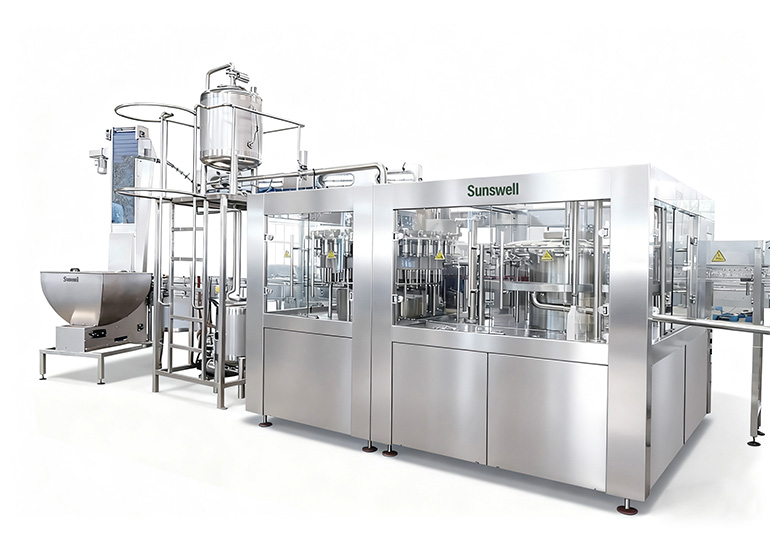
Site requirements, air and water consumption sit with the Hotfill Type Filling Machine for Juice.
The bottle leaves the filler at up to 85 C and has to come down in a controlled ramp. A plunge cools the outside first, the inside contracts later, and the panel pulls in. The tunnel zones are set per bottle geometry and checked with a probe in the product.
Optimize cooling processes to minimize temperature differentials that can lead to stress fractures in the bottles.
The specification sheet for the Juice By Volumetric Filler carries the utility figures quoted here.
With a storage trial on the actual product, bottle and closure, held at the intended temperature and sampled on a schedule. Changing the fill temperature, the bottle or the cap invalidates the previous result, which is why those three are treated as one specification.
The same question is worked through from another angle in How to Select the Right Pasteurizing Tunnel for Juice.
Usually fill temperature above the bottle rating, or a vacuum that forms as the product cools. Check the fill temperature against the bottle specification and the cap seal before changing the cooling profile.
It depends on the hold tube volume and the heater capacity. The line is not production-ready until the return temperature is stable, so start-up time belongs in the daily plan rather than being discovered at shift start.
With a filter change and a different valve bore for the pulp, yes. Clear juice needs finer filtration, and pulp needs agitation in the bowl so the fibre does not settle.
A controlled ramp rather than a cold plunge, so the bottle does not deform under vacuum. The tunnel zones are set per bottle geometry and validated with a temperature probe in the product.
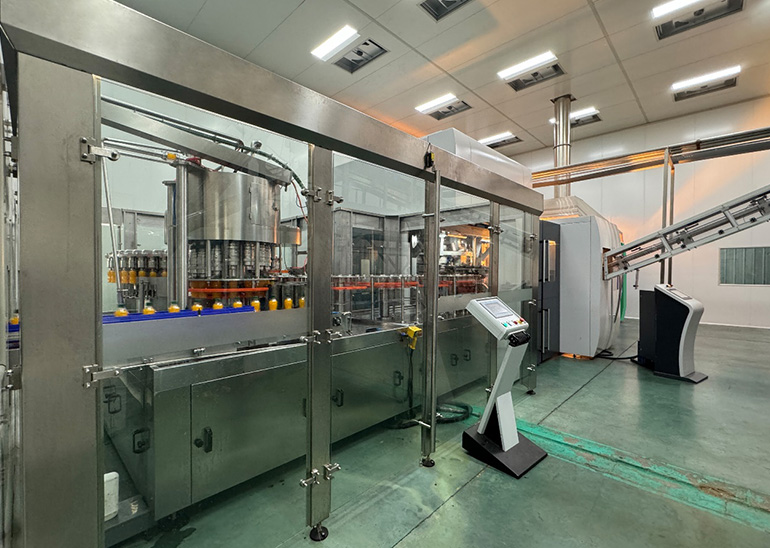
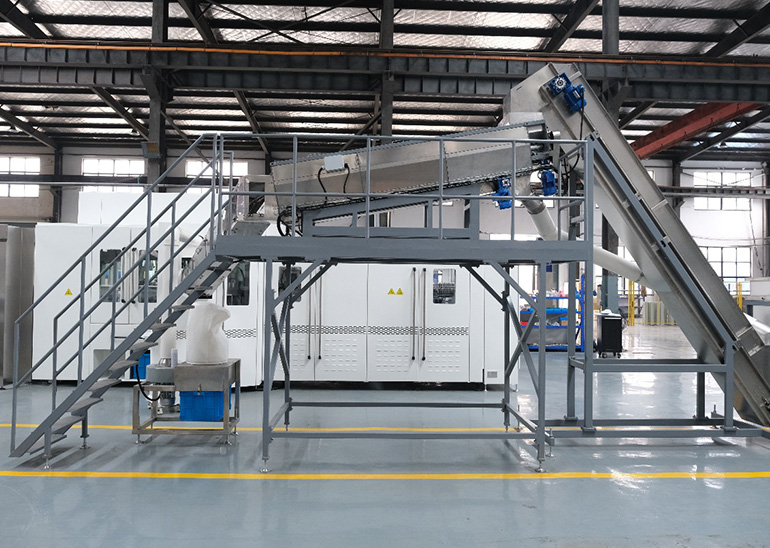
Country: Turkey
Product: Glass and PET Bottled Juice
Capacity: 20000BPH(330ml) Glass Bottle; 4000BPH(3L) PET Bottle
Solution:Juice Production Line
Country:Kazakhstan
Product: PET Bottled Sparkling Water, Canned Soft Drink, Canned Tea
Capacity: 25000CPH (250ml)
Solution:Three Lines,7000BPH(1.5L), 15000CPH(330ml),15000CPH(450ml)



 +86 13921964455
 [email protected]

A2 Dongjiu Industrial Park, 30 East Jintang Road, Tangshi, Zhangjiagang, Jiangsu 215600, China