
| Filling principle | Isobaric, CO2 counter-pressure |
| Capacity | 12,000-36,000 BPH at 0.2-2 L |
| Containers | PET bottle, glass bottle, aluminum can |
| CO2 handling | Pre-pressurisation and return pipe, no venting |
| Valves | Mechanical, semi-electric or volumetric |
| Line scope | Water treatment, syrup mixing, carbonation, filler, pack |
Start from the symptom and work back to the mechanism, not from the part list. Most filling faults show up in three places: fill weight or level, closure integrity, and product condition. Which of the three moved first tells you whether the cause is mechanical, thermal or product-side.
This proactive approach enables precise control over the filling process, allowing for quick responses to any fluctuations that may impact CO2 levels or foam generation.
A carbonated drink is a saturated solution held in equilibrium by pressure and temperature. If the filler exposes it to atmosphere, CO2 leaves the liquid as foam and the fill level collapses. Isobaric filling pressurises the bottle to the bowl pressure first, fills under counter-pressure, then releases in a controlled ramp.
By carefully controlling the flow rate and pressure during the filling process, these fillers create a gentle and consistent environment that minimizes turbulence and agitation.
| Valve type | Setting | Best for |
|---|---|---|
| Mechanical | Fixed cam profile | Single product, long runs |
| Semi-electric | Signal-timed open and close | Recipe changes within one product family |
| Volumetric | Chamber dose | Pressure or temperature drift during the shift |
| Isobaric + volumetric | Chamber dose under counter-pressure | High CO2 with tight fill accuracy |
The Isobaric Filling Machine for CSD and Sparkling Water is the matching unit when this becomes a line project.
Foam is usually a temperature or pressure problem, not a valve problem. Warm product, a fast pressure release at the end of fill, a worn seal that lets gas bypass, or a dirty return pipe all show up as foam at the same place. Check the product temperature and the pressure ramp before touching the valves.
By prioritizing foam control and CO2 retention, these fillers enable bottling plants to deliver a consistent and high-quality product that meets the expectations of discerning consumers.
Throughput and change-part lists are on the CSD & Sparkling Water by Mechanical Filler page rather than in this note.
Overfoaming is gas leaving the product too fast at the end of fill. The pressure release has to be ramped, not dumped, and the fill height has to leave the right headspace. A snift valve that opens too early turns a good fill into a wet bottle.
By implementing advanced foam control mechanisms and precision filling technology, these fillers can effectively reduce foaming, minimize CO2 loss, and improve overall fill quality.
The same question is worked through from another angle in How to Reduce Foam in Semi-Electric CSD Filling Machines.
It holds what the mixer sets and the temperature allows. Most CSD runs between 2.5 and 4.0 volumes, with the target set per product. Retention, not the mixer set point, is what the acceptance test should measure in the filled bottle.
It is used where the package needs internal pressure support or low oxygen, for example in cans and in some PET formats. It is an option, not a default, and it adds a consumable cost per 1,000 units.
Yes, with a different infeed, spacing and capping set. Glass needs mechanical spacing rather than an air conveyor, and the filler runs at 4,000-20,000 BPH on glass against 12,000-36,000 BPH on PET.
Warm product and an empty bowl. The first bottles see the largest pressure step. A short recirculation before production and a controlled bowl cool-down remove most of it.
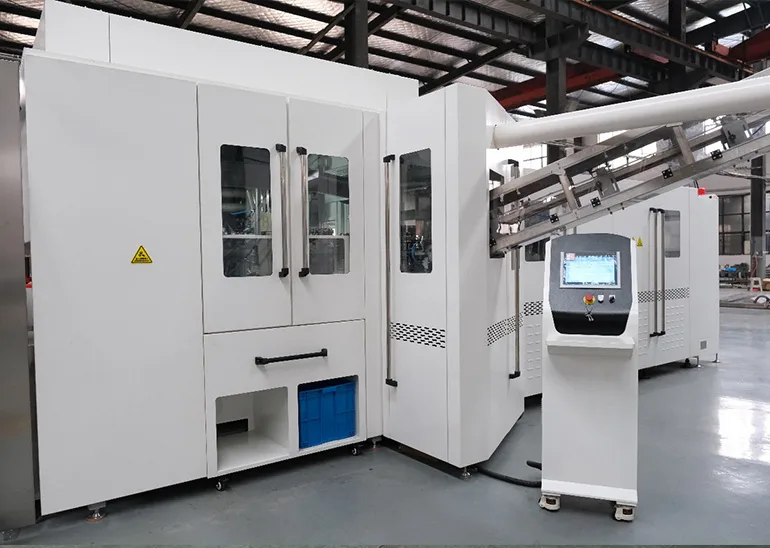
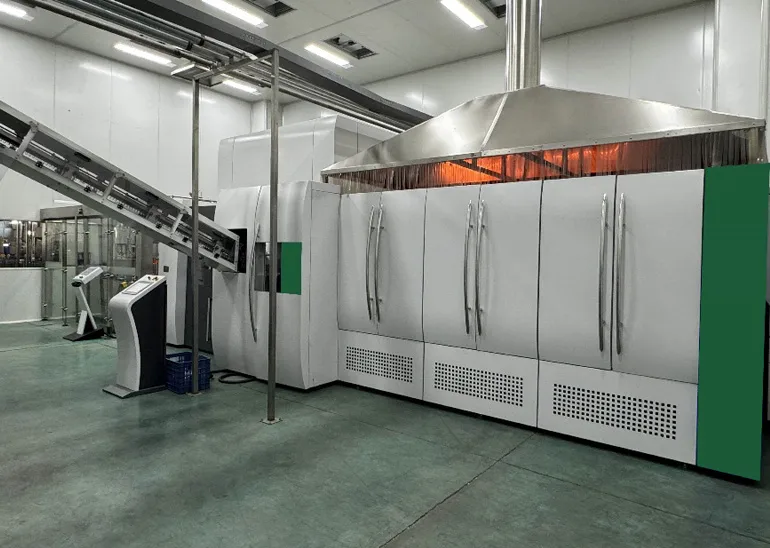
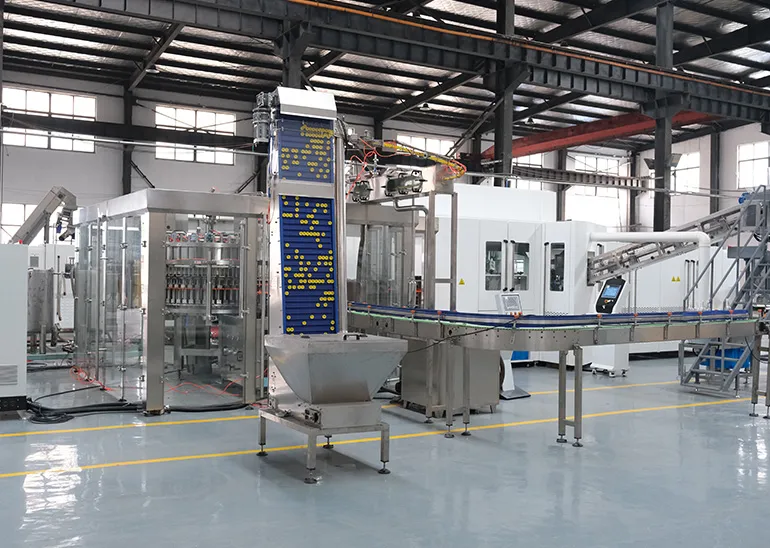
Country: Kazakhstan
Product: PET Bottled Carbonated Soft Drinks
Capacity: 12000BPH (1L)
Solution:Carbonated Drinks Production Line
Country: Syria
Product: Aluminum Canned Carbonated Soft Drinks
Capacity: 24000CPH (250ml)
Solution:Carbonated Drinks Production Line



 +86 13921964455
 [email protected]

A2 Dongjiu Industrial Park, 30 East Jintang Road, Tangshi, Zhangjiagang, Jiangsu 215600, China


