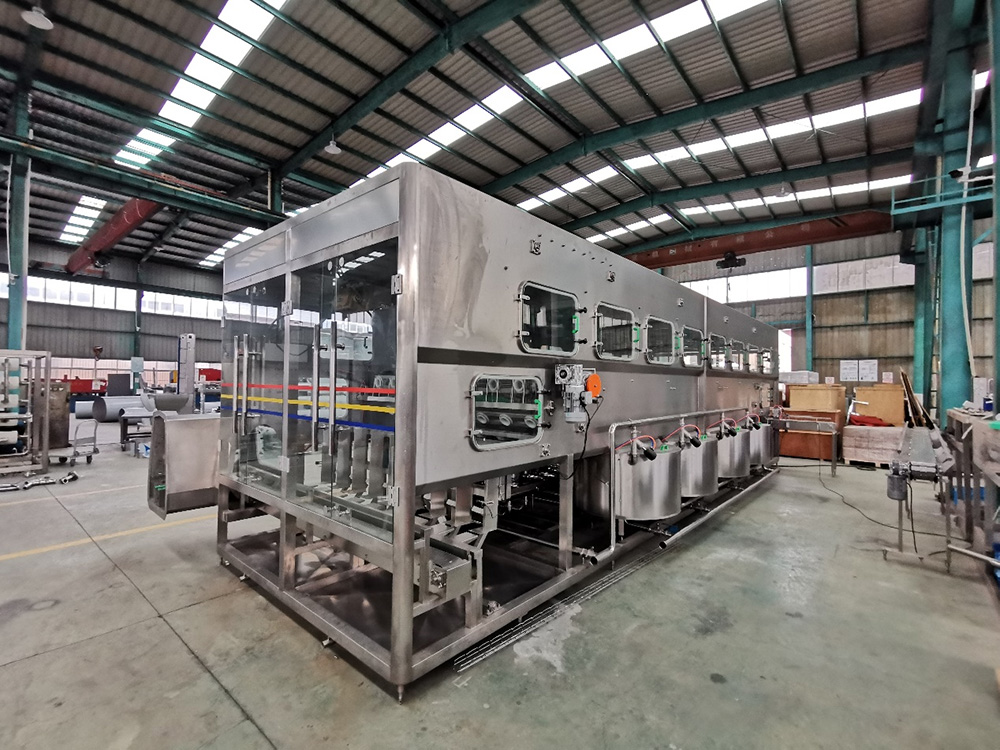
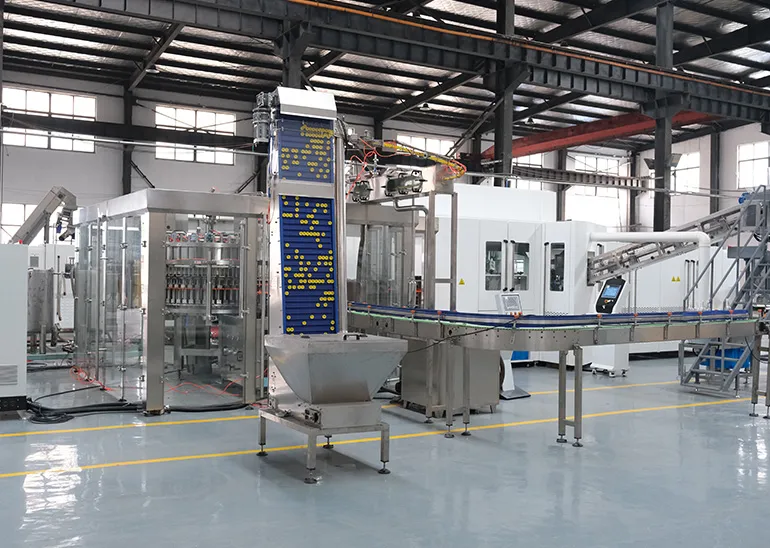
| What is included | Filling, capping and closing equipment |
| Filling principles | Gravity, volumetric, isobaric, piston, load cell |
| Rated output | 2,000-48,000 BPH by configuration |
| Accuracy basis | Volume, weight or fill level |
| Wetted parts | SUS 304 product contact, CIP-ready |
| Key control | Fill accuracy, closure integrity, CIP time |
Four inputs fix the shortlist: the product, the package, the daily demand and the number of formats per week. Everything else, including the brand of the PLC, is a detail that can be settled after those four are written down.
The product fixes the filling principle; output only fixes the size. Still liquid at a steady density runs gravity or volumetric; carbonated product needs isobaric; thick product with solids needs a piston; product sold by weight runs a load cell. A machine picked ahead of the product usually gets picked again.
| Principle | Doses by | Fails when |
|---|---|---|
| Gravity | Fill level in the bottle | Bottle geometry varies |
| Volumetric | Chamber volume | Valve seal wears |
| Isobaric | Volume under counter-pressure | Pressure or temperature drifts |
| Piston | Displacement | Product carries solids |
| Load cell | Net weight | Product temperature moves |
The unit behind this configuration is the Gravity Filling Machine for Still Water.
Four variables sit behind a fill number: the dosing principle, the product temperature, the bottle geometry, and the condition of the valve or piston seal. A machine that holds its tolerance on the factory test can drift in the plant when the product arrives warmer or the bottle wall gets thinner.
A different bottle format means a different unit; see the Volumetric Filling Machine for Still Water.
Valve count follows the target BPH and the fill time per valve. Longer fill time, thicker product or a taller bottle all reduce the rate per valve, so the same BPH needs more valves. Buying valves for a water duty and running juice on them is a common and expensive mismatch.
The same question is worked through from another angle in How to Reduce Changeover Time on Your Filling Line.
Yes, with change parts: star wheels, guide rails, grippers and a recipe. The parts are cheap compared with the changeover time, which is why most plants specify one dominant format.
From tens of minutes to over an hour, set by the circuit volume and the soil. It is a fixed cost per production day and should be planned as downtime, not squeezed into the shift.
Bottle capacity variation, product temperature, valve wear or foam. On glass, mould-to-mould capacity variation alone is enough to make level filling inconsistent, which is why glass lines often check-weigh.
Rated BPH is a steady-state figure at one format. Real output subtracts changeover, CIP, label changes and downstream stops, which is why planning uses a factor of 0.65-0.85.
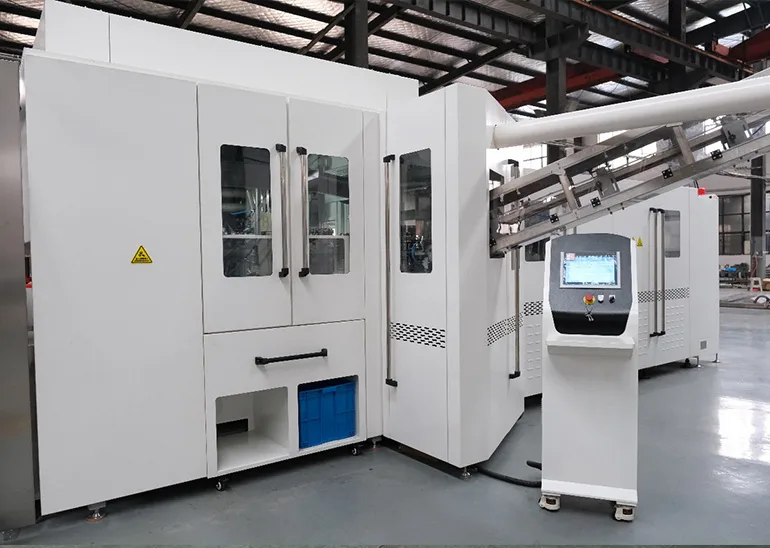
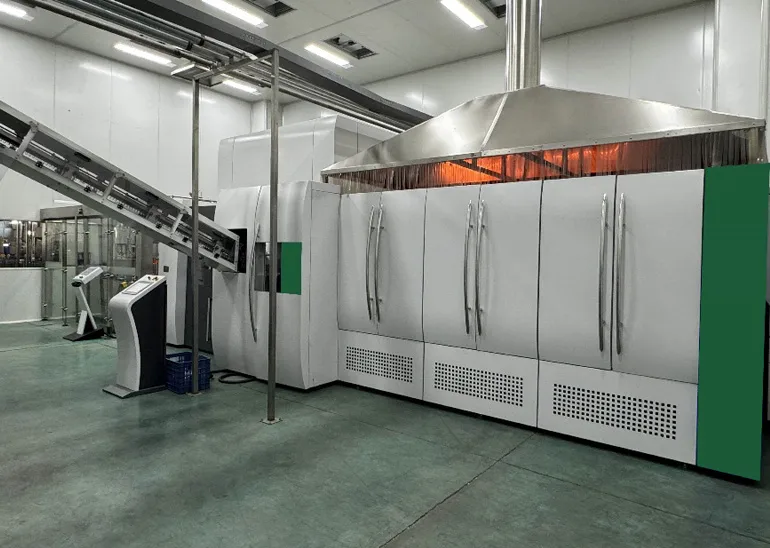
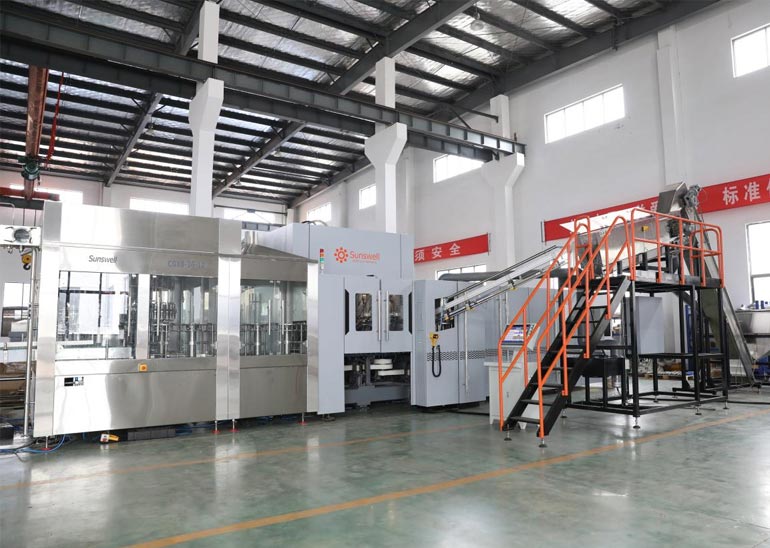
Country:Kazakhstan
Product: PET Bottled Sparkling Water, Canned Soft Drink, Canned Tea
Capacity: 25000CPH (250ml)
Solution:Three Lines,7000BPH(1.5L), 15000CPH(330ml),15000CPH(450ml)



 +86 13921964455
 [email protected]

A2 Dongjiu Industrial Park, 30 East Jintang Road, Tangshi, Zhangjiagang, Jiangsu 215600, China