The right technology and commercial decisions decide whether a beverage filling machine line runs compliantly, efficiently and profitably. In this guide Sunswell breaks down Energy Drink Market 2026 for B2B buyers planning or upgrading a production line.
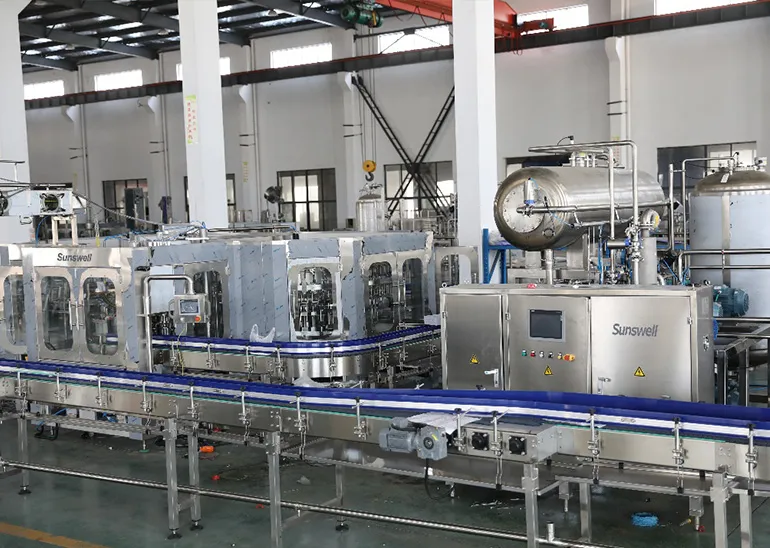
Energy drinks are one of the fastest-growing non-alcoholic categories, with Asia Pacific and the Middle East as the 2026 hotspots. Production needs carbonation control, caffeine-compatible materials and often aluminum can lines. This guide maps demand and the CSD filling machine requirements.
Asia Pacific leads volume (young consumers, urbanisation); Middle East grows on premium/functional SKUs; North America stays large and innovation-led. Each favours different pack formats.
Aluminum can dominates premium energy; PET is common for value SKUs. A aluminum can filling machine with isobaric fill is the typical premium line.
| Need | Why |
|---|---|
| Isobaric fill | Carbonation + low foam |
| Caffeine-compatible wetted parts | Stable, cleanable |
| Can or PET capability | Format flexibility |
| Precision dosing | Consistent caffeine level |
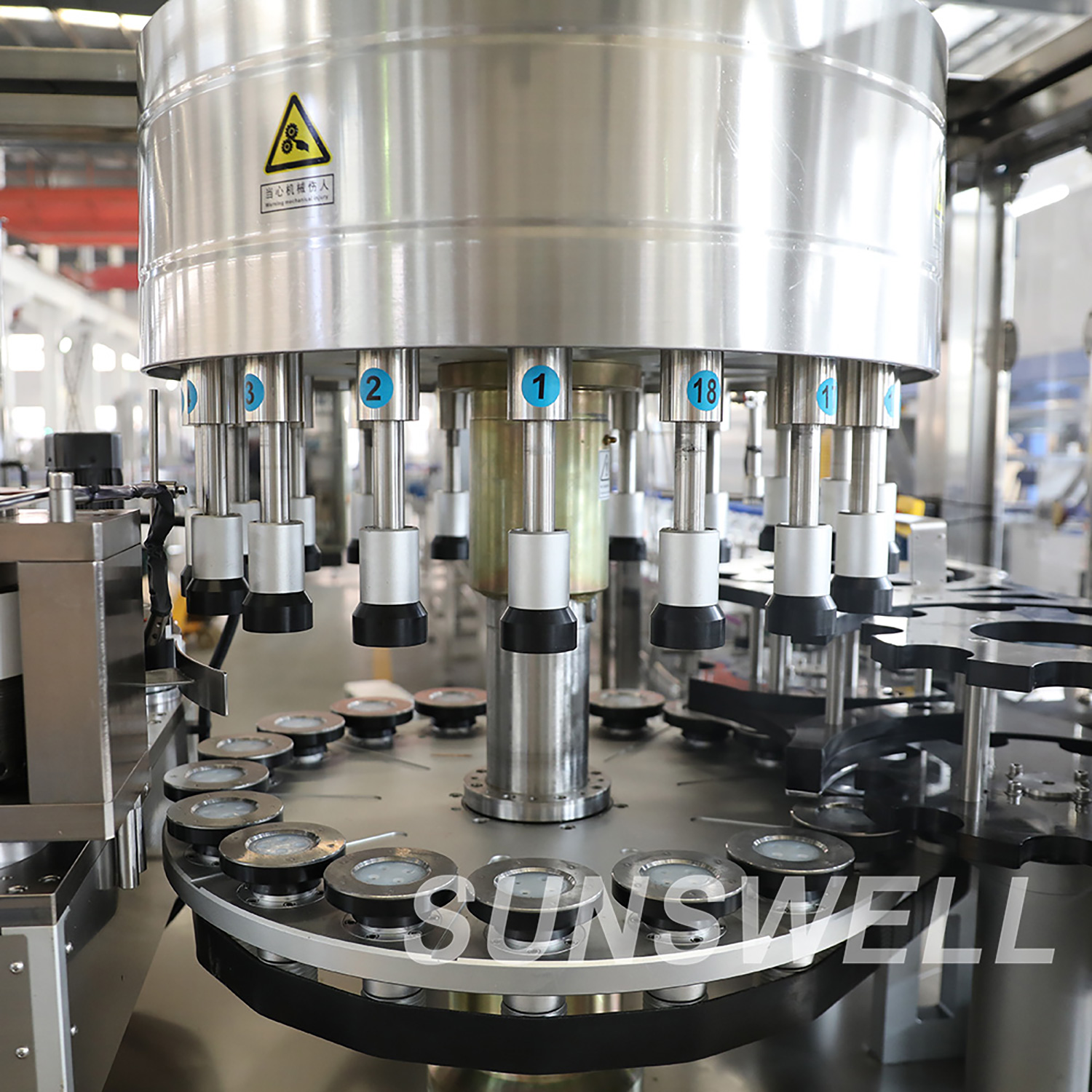
An Isobaric Filling Machine for CSD fills energy drink at counter-pressure, controlling foam and CO₂ loss on a Combiblock or monoblock.
Precise caffeine/taurine dosing and validated CIP keep every can compliant on the filling machine.
Not well — carbonation and caffeine need isobaric, food-grade, dose-capable hardware rather than a plain CSD filling machine tuned only for water.
Match local habit: can in premium urban markets, PET where price sensitivity rules.
Build an energy-drink-ready CSD filling machine and Combiblock with Sunswell.



 +86 13921964455
 [email protected]

A2 Dongjiu Industrial Park, 30 East Jintang Road, Tangshi, Zhangjiagang, Jiangsu 215600, China