


Import · FAQ
Importing Machinery from China FAQ
Buying a production line from China is a routine, well-trodden process — when you manage the five stages: qualifying the supplier, fixing payment terms, inspecting at FAT, shipping with documents, and securing certification and after-sales. This FAQ walks those stages for beverage equipment.
444+
Lines delivered
71+
Countries exported
20,000
m² workshop
80+
Staff
2011
Sunswell founded
Short answer: Importing from China works when the process is written down: qualify the factory (visit or video-audit, check delivered projects, not brochures), agree T/T or L/C stages tied to documents, inspect at FAT before shipment, ship with a full document set, and fix certification (CE, EAC) plus after-sales in the contract. The buyers who get burned skip one of these five; the buyers who get good lines do all five.
🎯 Key takeaways
- Qualify the factory: delivered projects, certificates and a visit or video audit beat brochures.
- Tie payment stages to documents and events: order, FAT, loading, arrival, acceptance.
- FAT before shipment catches most problems while the supplier's engineers are still on site.
- Get the full shipping document set and certification (CE, EAC) itemised in the contract.
- After-sales terms — spares, response time, warranty — belong in writing, not conversation.
On this page
1. Qualifying the supplier
Chinese machinery suppliers range from genuine manufacturers with engineering teams to trading companies selling other factories' machines. The difference is visible in three places: the factory itself, the delivered project list, and the documents. Visit or video-audit the factory; ask for delivered projects with contactable owners — then actually contact one.
Check certificates (ISO 9001, CE where applicable) and whether the company holds them as a manufacturer or as a trader. A trader can still be fine, but you should know who builds the machine and who stands behind it.
Ask for the names of two delivered projects in your region and call them. One phone call tells you more than a week of brochure reading.
Preference the supplier who can name the engineer who will build your line, not just the salesperson who quoted it.
2. Payment terms that protect you
T/T in stages is the norm: a deposit with the order, a payment at FAT or before shipment, and the balance after installation or on agreed milestones. L/C is standard for larger values. The structure matters less than the triggers — every payment should be tied to a document or event you can verify: order confirmation, FAT report, loading photos, arrival, acceptance.
Never pay the full balance before the line runs at the agreed output on your bottle. The final payment is your only control after the machine ships.
3. FAT: inspection before shipment
Factory acceptance testing is where quality is actually controlled. The supplier runs the line on your bottle (or the closest available) at the rated output, and you or a third-party inspector sign the FAT report. Problems found at FAT are fixed at the factory, where engineers and parts are; problems found after shipment are fixed on your site, at your cost and time.
Put the FAT criteria in the contract: output on the agreed format, leak tests, electrical safety, and the spare-parts list to be shipped. Then attend it, in person or by video with a checklist.
4. Shipping and documents
Machinery ships by sea container, by rail, or by truck for land destinations such as Kazakhstan. The document set is standard: commercial invoice, packing list, bill of lading or CMR, and the certificate of origin where preferences apply. Insurance is your call — do not ship a line uninsured to save a fraction of a percent.
For land routes, confirm the customs clearance point and who handles it. Suppliers who ship to your country regularly have this in their process; first-timers learn on your cargo.
5. Certification and compliance
Certification is market-specific: CE for Europe, EAC for the EAEU (Kazakhstan, Russia and neighbours), national approvals elsewhere. The certificate must cover the exact machine model and be issued before shipment — a certificate for a different model does not clear customs.
Ask the supplier to itemise certification in the package price. If they quote 'certification extra', get the cost and the issuing body in writing before order.
6. After-sales and warranty
Warranty is typically twelve months from commissioning or eighteen from shipment. Agree exclusions in writing (wear parts, operator damage, consumables) and buy a first-year spare-parts kit at order — it is cheaper than air-freighting later.
Fix the support channel: who answers emails, how fast spare parts ship, whether a technician can reach your site and at what cost. A machine without a support channel is a liability, whatever its price.
7. Common mistakes
Five mistakes repeat across importing buyers: buying on brochure photos, paying too much before FAT, skipping the FAT itself, ignoring certification until customs, and treating after-sales as an afterthought. Each one is cheap to avoid and expensive to fix.
Buying a filling machine from China is not risky when the process is managed; it is risky when it is improvised. Write the process down, follow it, and the outcome is predictable.
Frequently asked questions
How do I know a Chinese machinery supplier is genuine?
Visit or video-audit the factory, check delivered projects, and call one reference owner. Genuine manufacturers can name the engineer who builds your line.
What payment terms protect the buyer?
T/T stages tied to documents (order, FAT, loading, arrival, acceptance), or L/C for larger values. Keep the last payment until the line runs at agreed output.
What is FAT and why does it matter?
Factory acceptance testing runs the line at rated output before shipment. Problems found at FAT are fixed at the factory, cheaply; after shipment they are fixed on your site, expensively.
What documents come with a machinery shipment?
Commercial invoice, packing list, bill of lading or CMR, certificate of origin, and the market certification (CE or EAC) covering your exact model.
Is importing from China risky?
The risk is in the process, not the origin. Manage qualification, payment, FAT, documents and after-sales in writing, and the outcome is predictable.
Does Sunswell support international buyers through the whole process?
Yes — Sunswell exports to 71+ countries with delivery, installation, certification and after-sales as a package. The process above is the process Sunswell runs.
About the author
Written by the Sunswell engineering team — led by Howie SUN, Founder & CEO, with 14 years in filling and blow-moulding equipment R&D and turnkey project delivery across 71+ countries.
Last reviewed: 2026-08-28 · Reviewed by Sunswell engineering team
Ask our engineering team →
Project references
-
Vizit, 12,000BPH 1L Bottling Line with Combiblock for CSD, Kazakhstan
Country: Kazakhstan
Product: PET Bottled Carbonated Soft Drinks
Capacity: 12000BPH (1L)
Solution:Carbonated Drinks Production Line
Read More + -
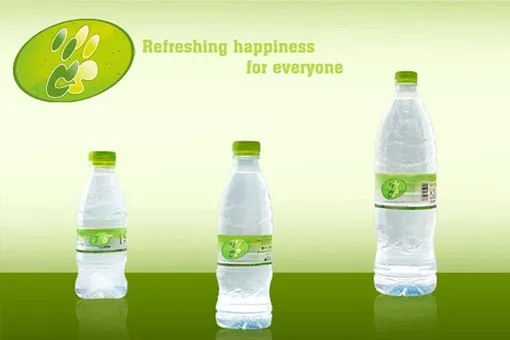
Taza, 4 Sets of 12,000BPH 1.5L Bottling Lines with Combiblock for Water, Maldives
Country: Maldives
Product: PET Bottled Mineralized Water
Capacity: 24,000BPH (500ml); 2 Lines
Solution:Water Production Line
Read More + -
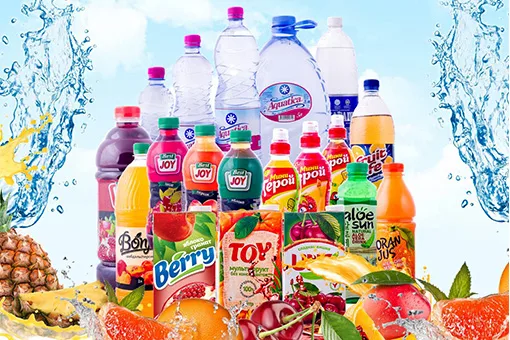
Rauan, 8 Sets of Bottlingand Canning Lines from 12,000-24,000BPH for Water, CSD and Juice, Kazakhstan
Country:Kazakhstan
Product: PET Bottled Sparkling Water, Canned Soft Drink, Canned Tea
Capacity: 25000CPH (250ml)
Solution:Three Lines,7000BPH(1.5L), 15000CPH(330ml),15000CPH(450ml)
Read More +
Have a specific project in mind?
Tell us product, target BPH, bottle sizes and market. We reply with a draft layout, equipment list and lead time estimate.
Fill the inquiry form ↑