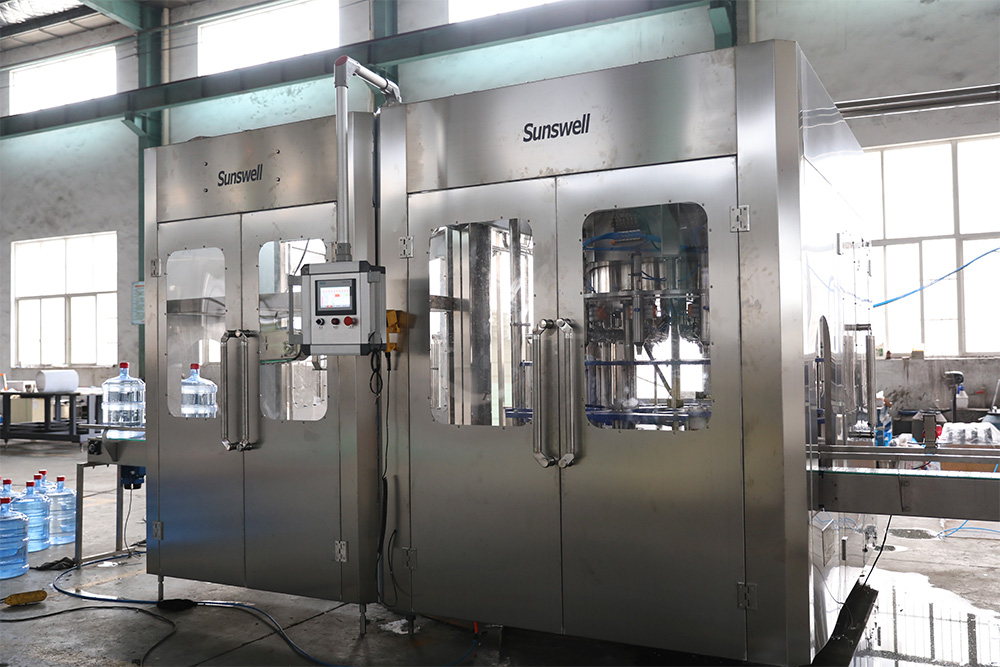
The right technology and commercial decisions decide whether a beverage filling machine line runs compliantly, efficiently and profitably. In this guide Sunswell breaks down Quality Comparison for B2B buyers planning or upgrading a production line.
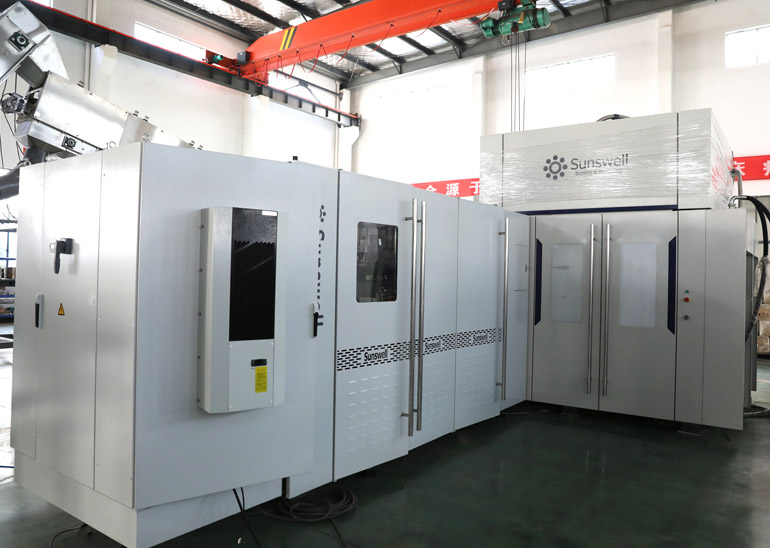
Stainless steel grade is a quiet but real quality decision in any filling machine. 304 is the workhorse; 316L adds molybdenum for corrosion resistance. This guide compares them so you can specify correctly on a Combiblock.
316L contains molybdenum, boosting resistance to chlorides and acids — important for salty, acidic or aggressive products. 304 suits most neutral beverages and water.
For edible oil filling machine and acidic/functional drinks, 316L contact parts last longer; in Processing Equipment it resists CIP chemicals better.
| Property | 304 | 316L |
|---|---|---|
| Corrosion resistance | Good | Better (chlorides/acids) |
| Cost | Lower | Higher |
| Typical use | Water, neutral drinks | Acidic, salty, oily |
Use 304 for water/CSD/juice; specify 316L contact parts for corrosive or high-salt products on the water filling machine only where the recipe demands it.
No — for water and most juices 304 is fine; reserve 316L for corrosive products on the filling machine.
Indirectly — better corrosion resistance keeps surfaces clean, protecting flavour and hygiene.
Specify the right stainless grade on your filling machine with Sunswell.



 +86 13921964455
 [email protected]

A2 Dongjiu Industrial Park, 30 East Jintang Road, Tangshi, Zhangjiagang, Jiangsu 215600, China