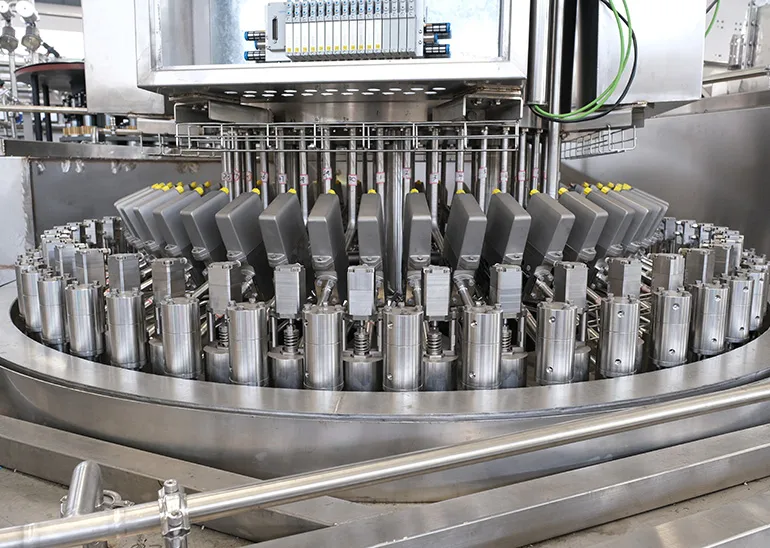
Vietnam, Thailand and Indonesia are the juice growth engine of Southeast Asia, powered by tropical fruit supply, rising middle-class spend and youthful demographics. But tropical heat, local food rules and fruit variability make line design different from temperate markets. This guide covers setup, regulation and the right juice filling line for the region.
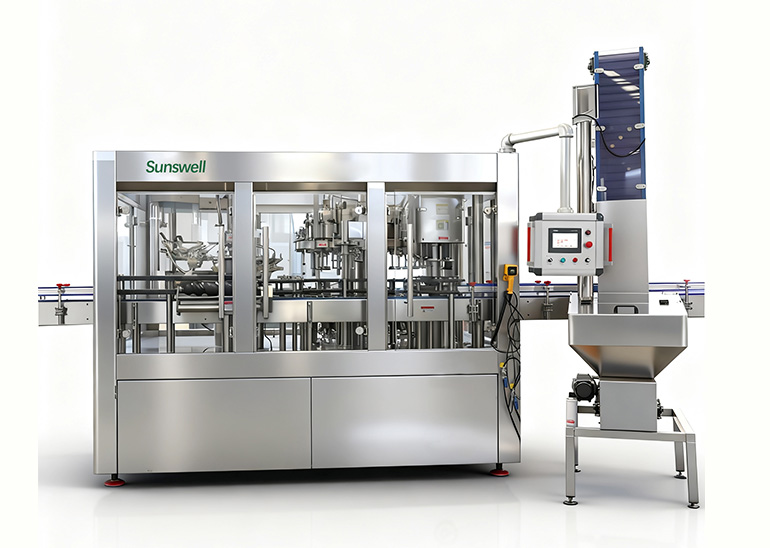
Regional success needs hot-fill or aseptic juice filling, robust water treatment and a pasteurizing tunnel. ASEAN mutual recognition eases cross-border trade, but each country keeps its own food-contact and labeling rules. Most lines are sourced from China for cost and lead time.
| Country | Authority | Focus |
|---|---|---|
| Vietnam | MOH / ATVR | Food safety, labeling |
| Thailand | FDA Thailand | Registration, FSIS |
| Indonesia | BPOM | BPOM license, halal |
Hot-fill is cost-effective for ambient juice; aseptic extends shelf life without preservatives. Both need CIP-ready processing and a pasteurizing tunnel.
Pulp and acidity vary by season; specify pulp-handling fillers and good agitation to keep dose stable.
Hot-fill if you have cold chain and want lower CapEx; aseptic for ambient shelf life and premium positioning.
In Indonesia yes for market access; a Combiblock with halal-compliant materials supports it.
Set up your regional juice line with juice filling and pasteurizing tunnel from Sunswell.



 +86 13921964455
 [email protected]

A2 Dongjiu Industrial Park, 30 East Jintang Road, Tangshi, Zhangjiagang, Jiangsu 215600, China