
| Filling system | Isobaric, CO2 counter-pressure |
| Rated output | 12,000-36,000 BPH at 0.2-2 L |
| Containers | PET bottle, glass bottle, aluminum can |
| CO2 handling | Pre-pressurisation and return pipe, no venting |
| Valves | Mechanical, semi-electric or volumetric |
| Line scope | Water treatment, syrup mixing, carbonation, filler, pack |
Four points decide it: the carbonation level set at the mixer, the product temperature at the filler, the pressure profile during fill, and the time between capping and packing. A line that holds 4.0 volumes at the mixer can deliver 3.4 in the bottle if the filler bowl runs warm or the capping head leaks.
From ensuring optimal CO2 retention to providing adjustable speed settings and easy operation, these fillers are instrumental in enhancing bottling efficiency and product quality.
Mechanical valves open and close on a fixed cam profile and are the most forgiving on maintenance. Semi-electric valves use a signal to open and close, so the fill window can be set per recipe. Volumetric valves dose a chamber and hold accuracy when bottle pressure or product temperature drifts during the shift.
| Valve type | Setting | Best for |
|---|---|---|
| Mechanical | Fixed cam profile | Single product, long runs |
| Semi-electric | Signal-timed open and close | Recipe changes within one product family |
| Volumetric | Chamber dose | Pressure or temperature drift during the shift |
| Isobaric + volumetric | Chamber dose under counter-pressure | High CO2 with tight fill accuracy |
Sizing for this duty runs through the Isobaric Filling Machine for CSD and Sparkling Water, where the valve count is set out.
Size the filler on peak shift demand with a production factor of 0.65-0.85, then size the CO2 supply on average consumption, not peak. A CO2 plant built for the filler nameplate runs partly loaded for most of the year and loses more gas to vaporisation than the line saves in speed.
For the same duty in another bottle format, the CSD & Sparkling Water by Mechanical Filler is specified separately.
A can is filled and seamed, a PET bottle is filled and capped. Cans run faster per unit and are counted in CPH; PET allows larger formats and a lighter package. The filler principle is the same isobaric one, the closing equipment and the line rate are not.
The same question is worked through from another angle in How to Minimize Foam in CSD Filling Lines.
It holds what the mixer sets and the temperature allows. Most CSD runs between 2.5 and 4.0 volumes, with the target set per product. Retention, not the mixer set point, is what the acceptance test should measure in the filled bottle.
400 cans per minute. CPH and BPH are different units and cannot be compared directly, because can and bottle formats carry different volumes and different downstream equipment.
The higher the volumes, the sharper the mouthfeel and the more pressure the package must hold. Higher carbonation also needs a colder fill and a tighter pressure ramp, so it reduces practical line speed.
Yes, with a different infeed, spacing and capping set. Glass needs mechanical spacing rather than an air conveyor, and the filler runs at 4,000-20,000 BPH on glass against 12,000-36,000 BPH on PET.
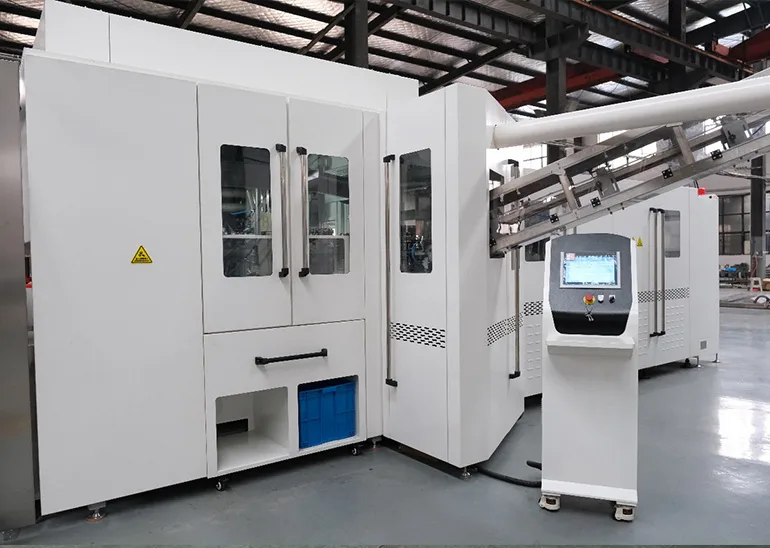
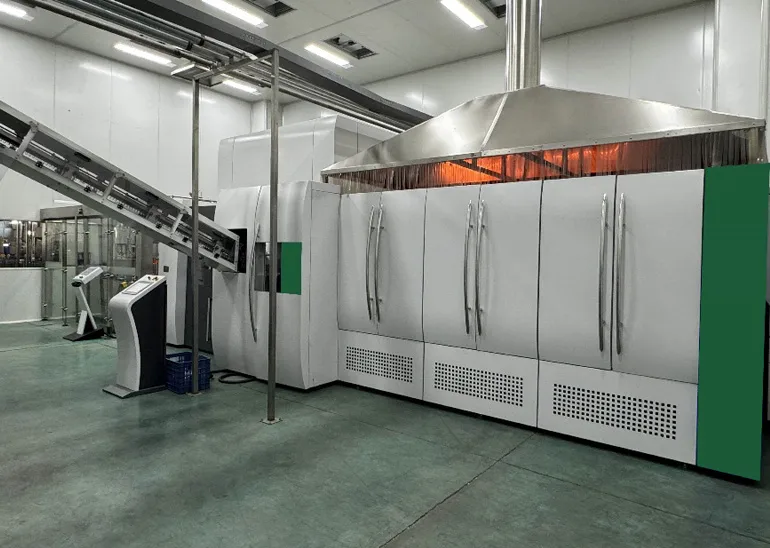
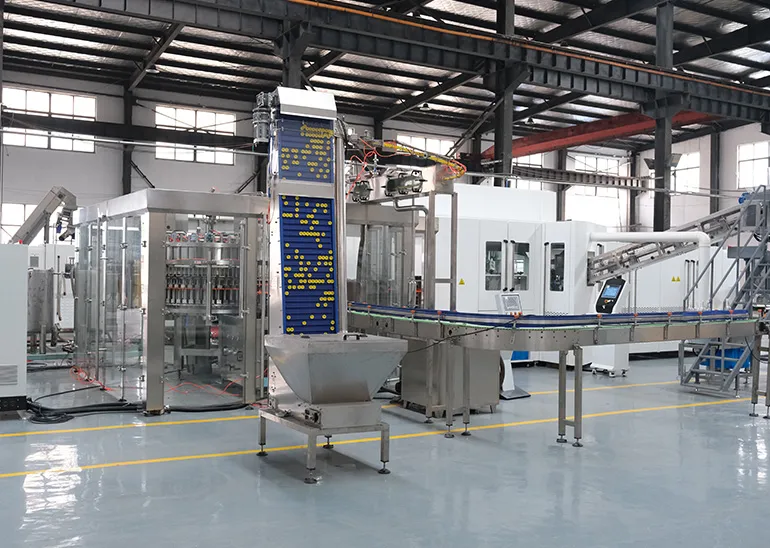
Country: Kazakhstan
Product: PET Bottled Carbonated Soft Drinks
Capacity: 12000BPH (1L)
Solution:Carbonated Drinks Production Line
Country: Syria
Product: Aluminum Canned Carbonated Soft Drinks
Capacity: 24000CPH (250ml)
Solution:Carbonated Drinks Production Line



 +86 13921964455
 [email protected]

A2 Dongjiu Industrial Park, 30 East Jintang Road, Tangshi, Zhangjiagang, Jiangsu 215600, China


