| Destination | Export project |
| Capacity range | Set by the order |
| Configuration | juice and tea |
| Product | juice and tea |
| Supply scope | Supply, factory test, shipping, commissioning |
| Record | Order and delivery notes below |
Maintaining precise temperature control throughout the production process is crucial to prevent the growth of harmful bacteria and ensure product quality. Implementing automated temperature monitoring systems can help streamline the monitoring process and provide real-time data on temperature fluctuations.
Managers must establish temperature monitoring protocols that outline temperature thresholds, monitoring frequency, and corrective actions in case of deviations. Regular calibration of temperature monitoring equipment is essential to guarantee accuracy and reliability. By prioritizing temperature monitoring, bottled water plants can uphold safety standards, ensure product consistency, and comply with regulatory requirements.
| Station | Function in the line |
|---|---|
| Juice and tea | In scope |
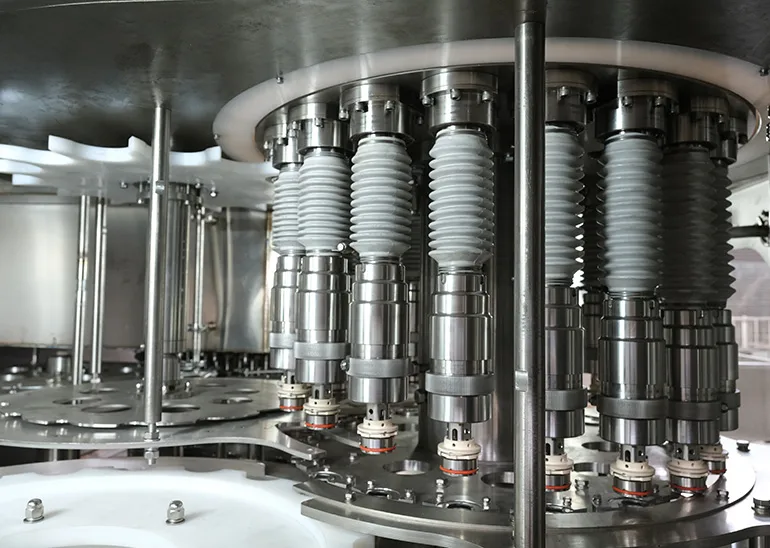
Sizing for this duty runs through the Hotfill Type Filling Machine for Juice, where the valve count is set out.
Managers should implement digital record-keeping solutions that provide secure storage, easy retrieval, and data analytics capabilities. Regular audits and reviews of records help identify areas for improvement and ensure adherence to safety protocols. By maintaining detailed records, bottled water plants can demonstrate a commitment to food safety compliance and continuous improvement.
Valve count, utility schedule and footprint sit on the Juice By Volumetric Filler page.
The order covers supply, factory test, shipping and commissioning, configured with juice and tea. The line was specified for juice and tea.
Set by the order at the format named on the order. Rated figures exclude changeover, CIP and downstream stops, so plan production on 0.65-0.85 of that number.
The non-standard items are the ones recorded in the section above. Everything else follows the standard configuration for juice and tea.
Factory acceptance test before shipment, then installation and commissioning on site. Operator training is part of the handover, not an extra.
Spare parts for the wear items, remote support, and a commissioning report that records the settings the line was left running at.
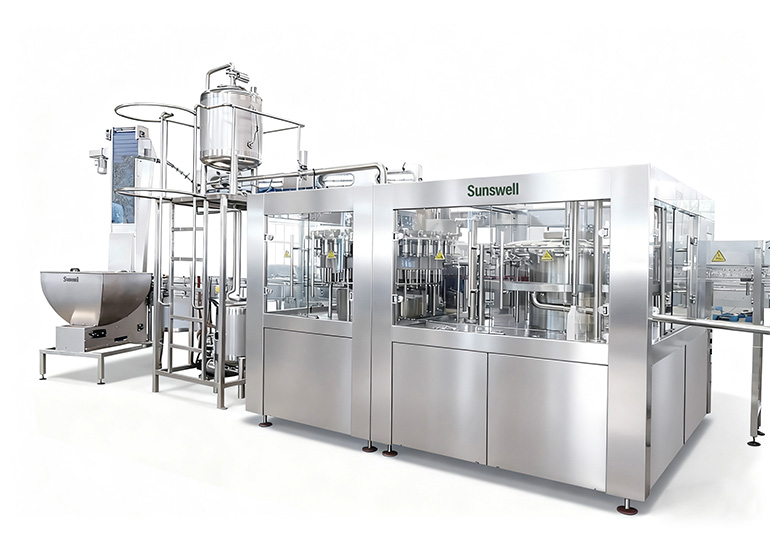
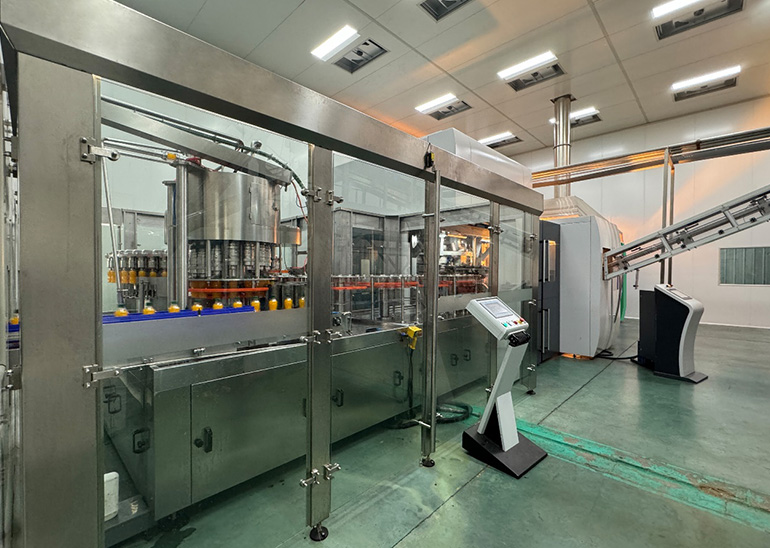
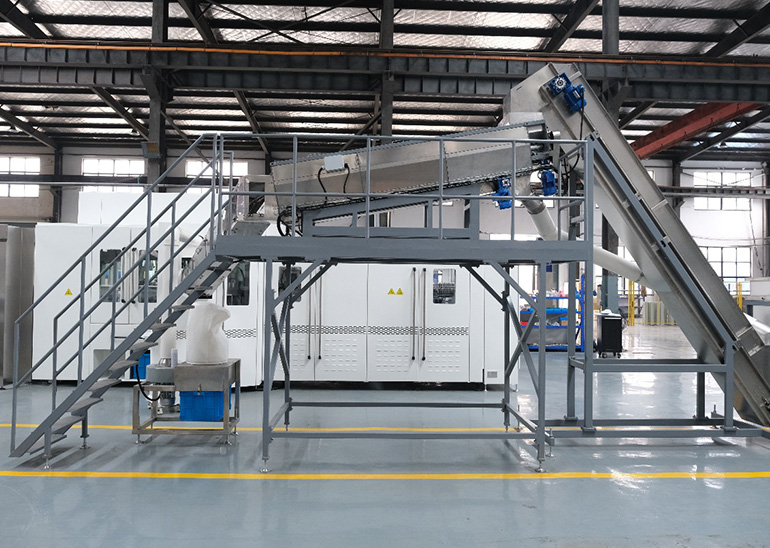
Country: Turkey
Product: Glass and PET Bottled Juice
Capacity: 20000BPH(330ml) Glass Bottle; 4000BPH(3L) PET Bottle
Solution:Juice Production Line
Country:Kazakhstan
Product: PET Bottled Sparkling Water, Canned Soft Drink, Canned Tea
Capacity: 25000CPH (250ml)
Solution:Three Lines,7000BPH(1.5L), 15000CPH(330ml),15000CPH(450ml)



 +86 13921964455
 [email protected]

A2 Dongjiu Industrial Park, 30 East Jintang Road, Tangshi, Zhangjiagang, Jiangsu 215600, China