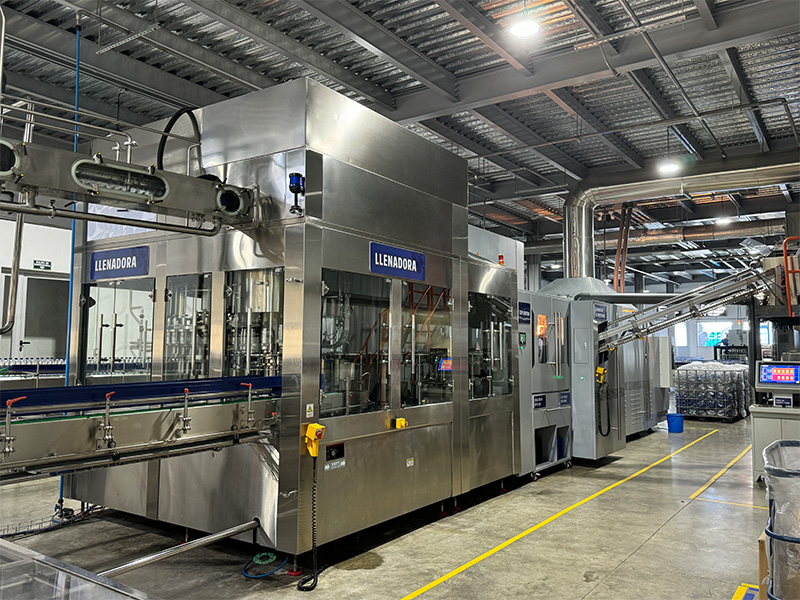
The right technology and commercial decisions decide whether a beverage filling machine line runs compliantly, efficiently and profitably. In this guide Sunswell breaks down Plant-Based Beverage Market Outlook for B2B buyers planning or upgrading a production line.
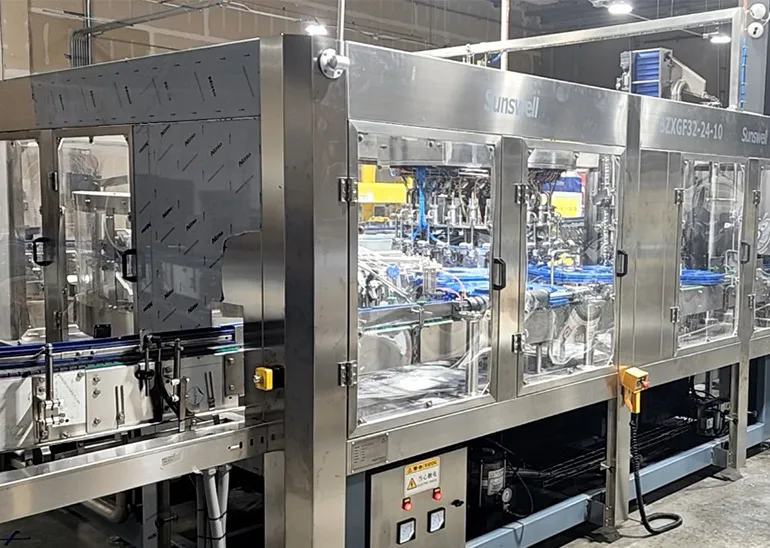
The plant-based beverage category — oat, soy, almond and beyond — is no longer a niche; it is reshaping how buyers specify a filling machine. These products are often viscous, heat-sensitive and sediment-prone, so the right line design differs from standard water or CSD. This guide maps the market outlook and the Juice Filling Machines-class equipment that fits plant milk.
Oat and soy milks carry suspended solids, oils and proteins; without the right filler they clog, separate or scorch. A line built only for thin water will underperform on plant milk.
Piston or specially ported fillers keep pulp and protein suspended; your Processing Equipment should homogenise and stabilise before fill to protect texture.
| Region | Driver | Preferred pack |
|---|---|---|
| North America | Mature oat milk demand | Carton, PET, glass |
| Europe | Sustainability-led growth | Glass, carton |
| Asia Pacific | Fast adoption, soy heritage | PET, carton |
Use a filler that handles particulates and sanitized CIP; a Pasteurizing Tunnel supports hot-fill or ESL variants that extend shelf life without preservatives.
UHT or ESL plus aseptic fill keeps plant milk safe and fresh; validate per recipe on the Milk Production Line scope.
Often yes — plant milk behaves like a mild juice/pulp; a particulate-capable Juice Filling Machines with validated CIP fits.
Only for ESL/chilled packs; aseptic and hot-fill can be ambient-stable.
Build a plant-milk-ready filling machine line with Sunswell.



 +86 13921964455
 [email protected]

A2 Dongjiu Industrial Park, 30 East Jintang Road, Tangshi, Zhangjiagang, Jiangsu 215600, China