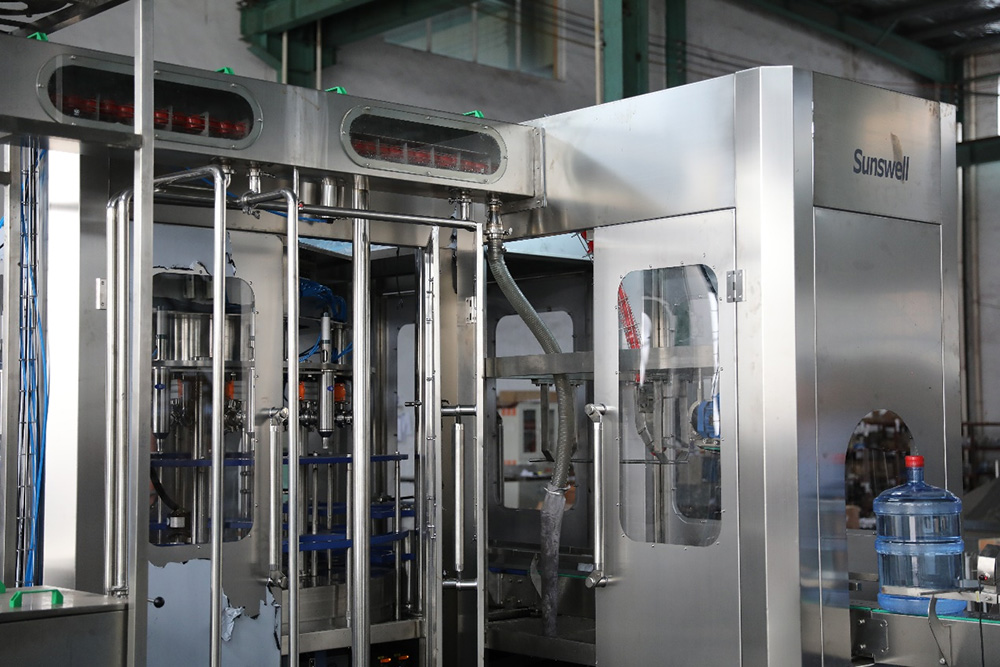
The right technology and commercial decisions decide whether a beverage filling machine line runs compliantly, efficiently and profitably. In this guide Sunswell breaks down Automated CIP with AI Optimization for B2B buyers planning or upgrading a production line.
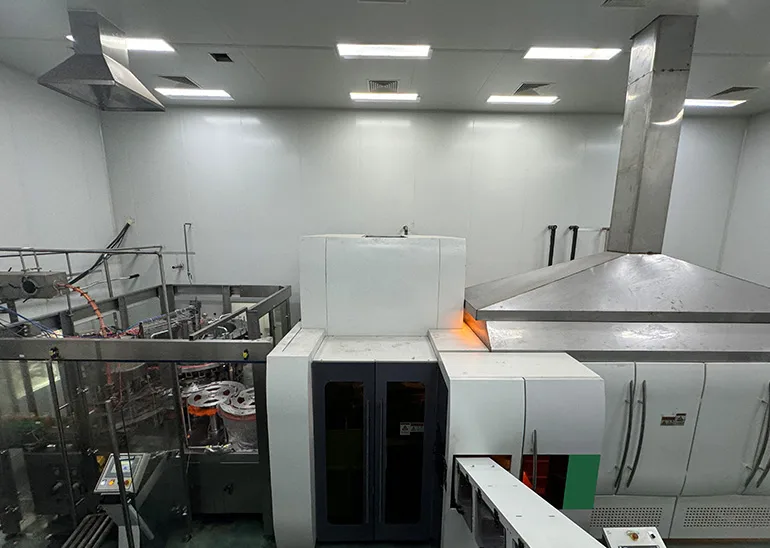
CIP (clean-in-place) is essential for hygiene but is also a top consumer of water and chemicals on a filling machine. AI-optimised, automated CIP cuts that waste without compromising safety. This guide covers the approach on a Combiblock.
Fixed-time cycles over-clean; manual steps waste chemical; poor recovery dumps rinse water. Each is fixable with sensing and control tied to your Water Treatment Systems.
Sensors (turbidity, conductivity) let the system stop cleaning when clean — not at a timer — saving water and chemistry on a CSD filling machine.
| Lever | Save |
|---|---|
| Conductivity-ended cycles | Water + chemical |
| CIP recovery tanks | Rinse water |
| Dose optimization | Chemical |
| Closed transfer | Loss |
Log every CIP's water and chemical use via the conveyor system controller; trends show where the next saving is on the filling machine.
No — it ends on verified cleanliness (conductivity/turbidity), not guesswork, on the filling machine.
Typically fast where water/chemical cost is high; savings compound with volume.
Optimise CIP on your filling machine line with Sunswell.



 +86 13921964455
 [email protected]

A2 Dongjiu Industrial Park, 30 East Jintang Road, Tangshi, Zhangjiagang, Jiangsu 215600, China